


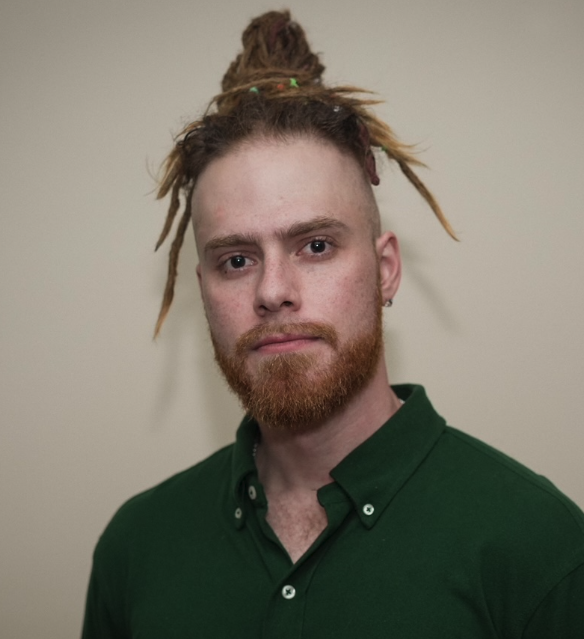

Gomeroi man William Allan Irwin DCM has become the first soldier in history to be named an honorary citizen of France's Somme region, more than a century after his death in the First World War.
The rare posthumous recognition follows the creation of 'Bringing His Spirit Home,' a short documentary directed by Yuwalaaraay filmmaker Dylan Nicholls as part of his studies at the Australian Film Television and Radio School (AFTRS).
The film follows Mr Irwin's great-nephew, Peter Milliken, on his first journey to France to visit his uncle's grave and return soil to Country.
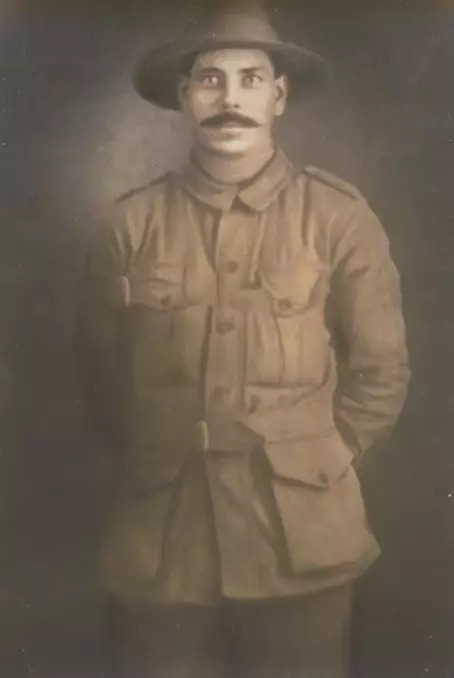
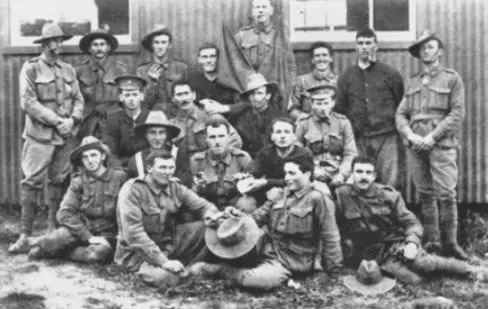
Mr Irwin enlisted in 1916 and served in the 33rd Battalion.
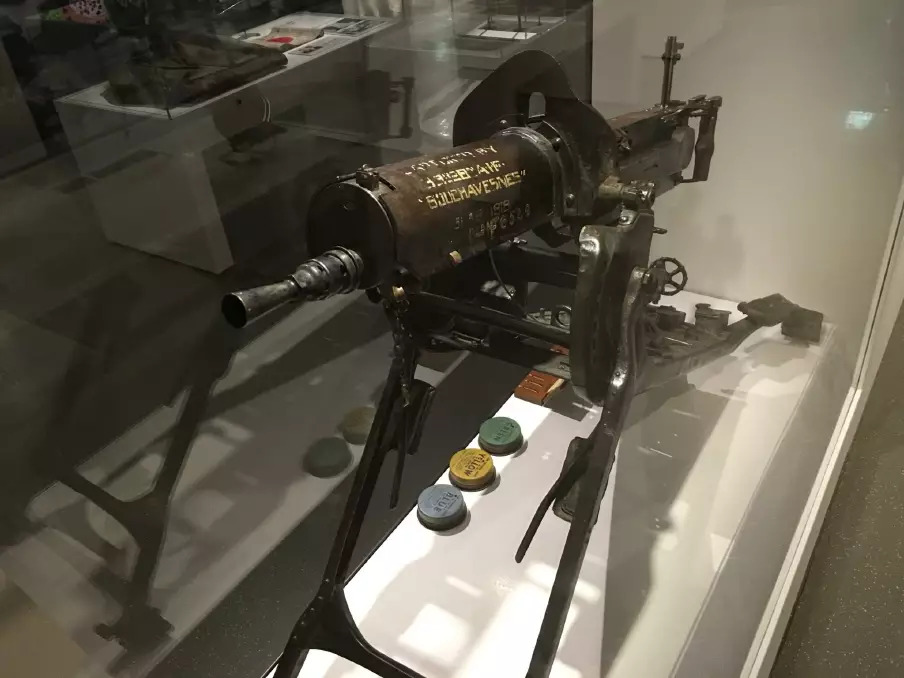
On August 31, 1918, he captured three German machine gun posts near Mont St Quentin before being fatally wounded attempting to take a fourth.
He was posthumously awarded the Distinguished Conduct Medal, the second-highest military honour at the time, and is buried at Daours Communal Cemetery Extension.
For decades, his story remained largely unknown.
Mr Milliken said he had grown up with his great-uncle's photo on the wall but was tired of people doubting the story.
"I'd had enough," Mr Milliken told National Indigenous Times.
"He was never in history books.
"You'd tell people and they'd look at you like you were lying."
The film follows Mr Milliken's deeply personal journey to France in 2023, where he paid tribute at the gravesite and collected soil to return home to Irwin's Country.
Mr Nicholls said the idea came after learning about the work of Gomeroi / Yullaroi WWI researcher Joe Flick, who has identified the graves of more than 60 Aboriginal soldiers across Europe.
"I had no idea our mob served in WWI," Mr Nicholls said.
"When I saw what Uncle Joe was doing, it moved me.
"I wanted to make a film about someone going over there for the first time - someone who had never been able to stand at their ancestor's grave."
That person was Mr Milliken, who carried out a cultural ceremony at the site, lighting eucalyptus leaves and striking clapsticks 40 times to mark each year of Mr Irwin's life.
"The French were deeply moved by William's story," Mr Nicholls said.
"When they learned who he was and what he did, they were blown away - especially by the fact that he hadn't been properly recognised in Australia for so long."
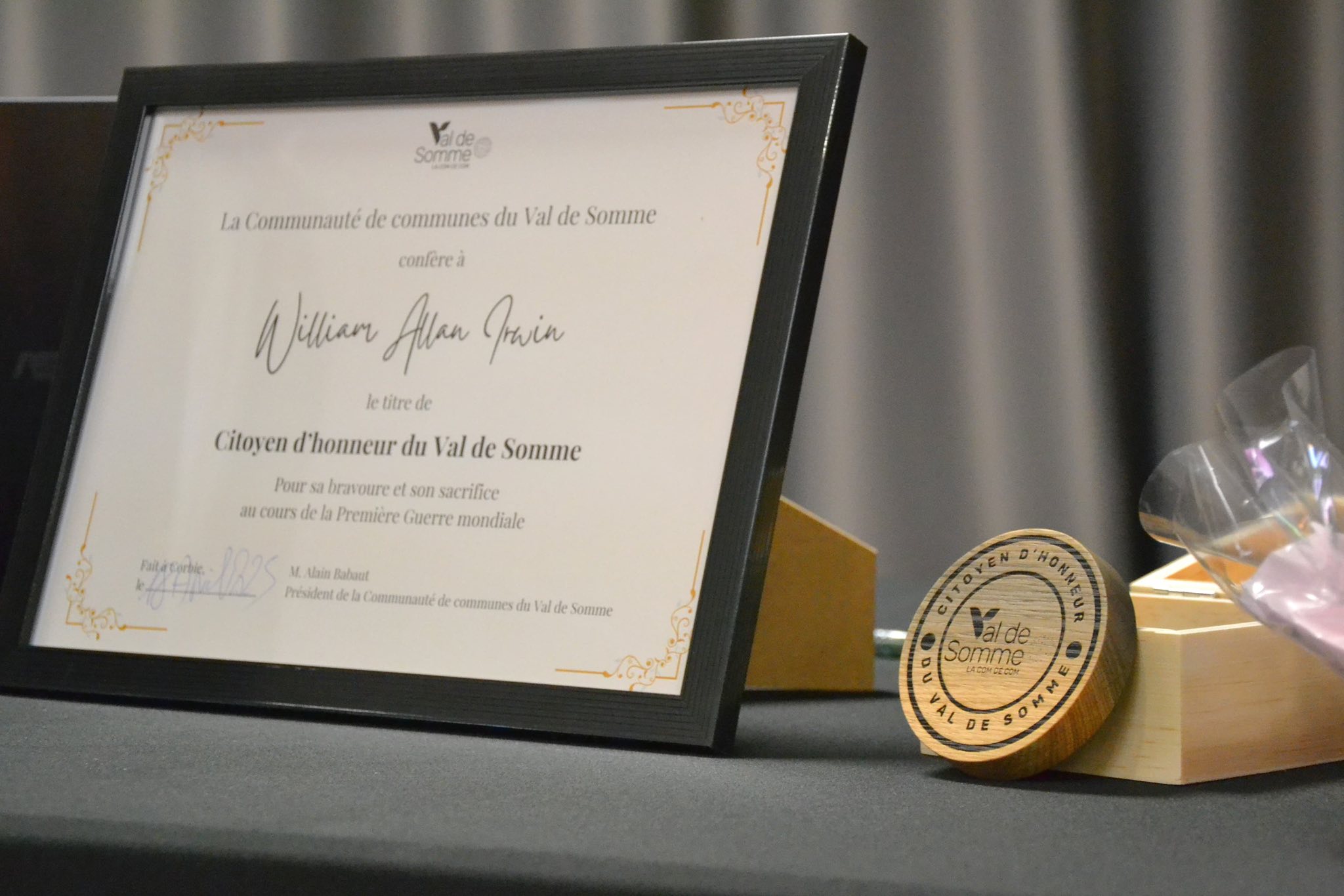
Twelve months later, in April 2024, the French commune of Val de Somme formally honoured Mr Irwin with honorary citizenship, the first time such an honour has ever been granted to a soldier by the region.
At a ceremony attended by dignitaries, French locals, and Australian Navy personnel, Mr Milliken received a custom medal on behalf of his family.
The medal was carved from an oak tree at the battlefield site where Irwin fell.
The timber, scarred by embedded WWI shrapnel, was stained blue from oxidation, a detail that local officials said reflected memory etched into the wood.
"In his lifetime, my great-uncle was never recognised as a citizen of Australia," Mr Milliken told the crowd.
"Today, he is an honorary citizen in France."
Mr Nicholls said the ceremony was unlike anything he had seen before.
"You had French people waving the Aboriginal flag," he said.
"There was a didgeridoo played by a Royal Australian Navy musician. Everyone was silent.
"It was about restoring justice. It was about memory."
Mr Milliken brought the medal home to give to Uncle Merv Allen, the last living nephew of William Irwin.
The documentary also captures Mr Milliken's return to Wallhollow Mission, where Irwin's family settled after the war.
There, he performed another ceremony, sprinkling soil from the gravesite between the headstones of Irwin's two brothers.
"After 108 years, he's back home - spiritually, at least," Mr Nicholls said.
Mr Irwin was one of four Aboriginal men awarded the DCM during WWI.
Mr Milliken believes his uncle would have been awarded the Victoria Cross had he not been Aboriginal.
"If he was a white man, he'd have got three," he said.
"One for each gun and he was going for a fourth."
Mr Nicholls said the documentary aims to challenge the way war stories are remembered in Australia.
"Mob didn't just serve - they served with distinction," he said.
"They fought for a country that didn't see them as citizens.
"Then they came home and were denied land, denied RSL entry, their kids couldn't go to school."
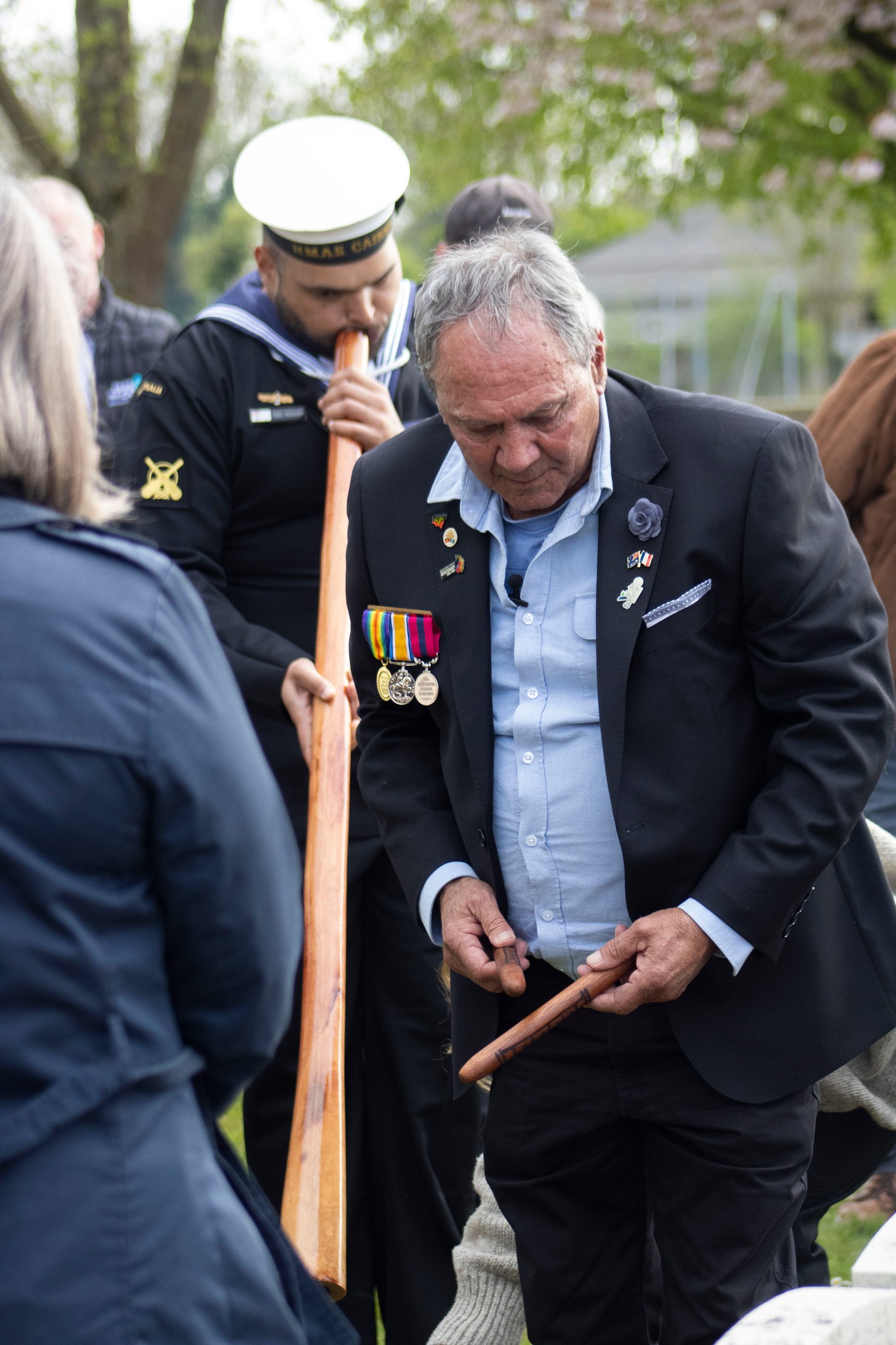
He said cultural practices, such as speaking language at the gravesite and using clapsticks and eucalyptus smoke, offered a more inclusive and meaningful way to commemorate service.
"I want young people, especially young mob, to know this history," Mr Nicholls said.
"To know our people have always been there, protecting not just this country, but others too."
"You won't see this story in school textbooks, but it happened. And now the world knows it."
Bringing His Spirit Home is expected to premiere publicly this year.



