




Indigenous carbon project delivered a powerful industry statement at last month's 2nd annual National Indigenous Carbon Forum.
Hosted by the Indigenous Carbon Industry Network (ICIN), the Forum combined with the 8th Savanna Fire Forum, from 24-26 February on Larrakia Country in Darwin.
At the event, the ICIN called for greater support for Indigenous-led carbon and nature repair market method development, an Indigenous-led carbon project start-up fund, and greater recognition of the right of Indigenous communities to free, prior and informed consent of a carbon project.
MC Stan Grant guided participants through the three-day event under the theme 'Strong Roots, Strong Futures', saying "it's really inspiring for me, I feel more optimistic whenever I'm at conferences like this".
ICIN co-chair and Jaru/Kija woman, Cissy Gore-Birch OAM, opened the Forum, saying Indigenous carbon projects are creating many new employment opportunities for mob working on Country.
"They support our Old People, our Elders, to hand down traditional fire knowledge down to next generations and provide an opportunity to reconnect with Country," she said.
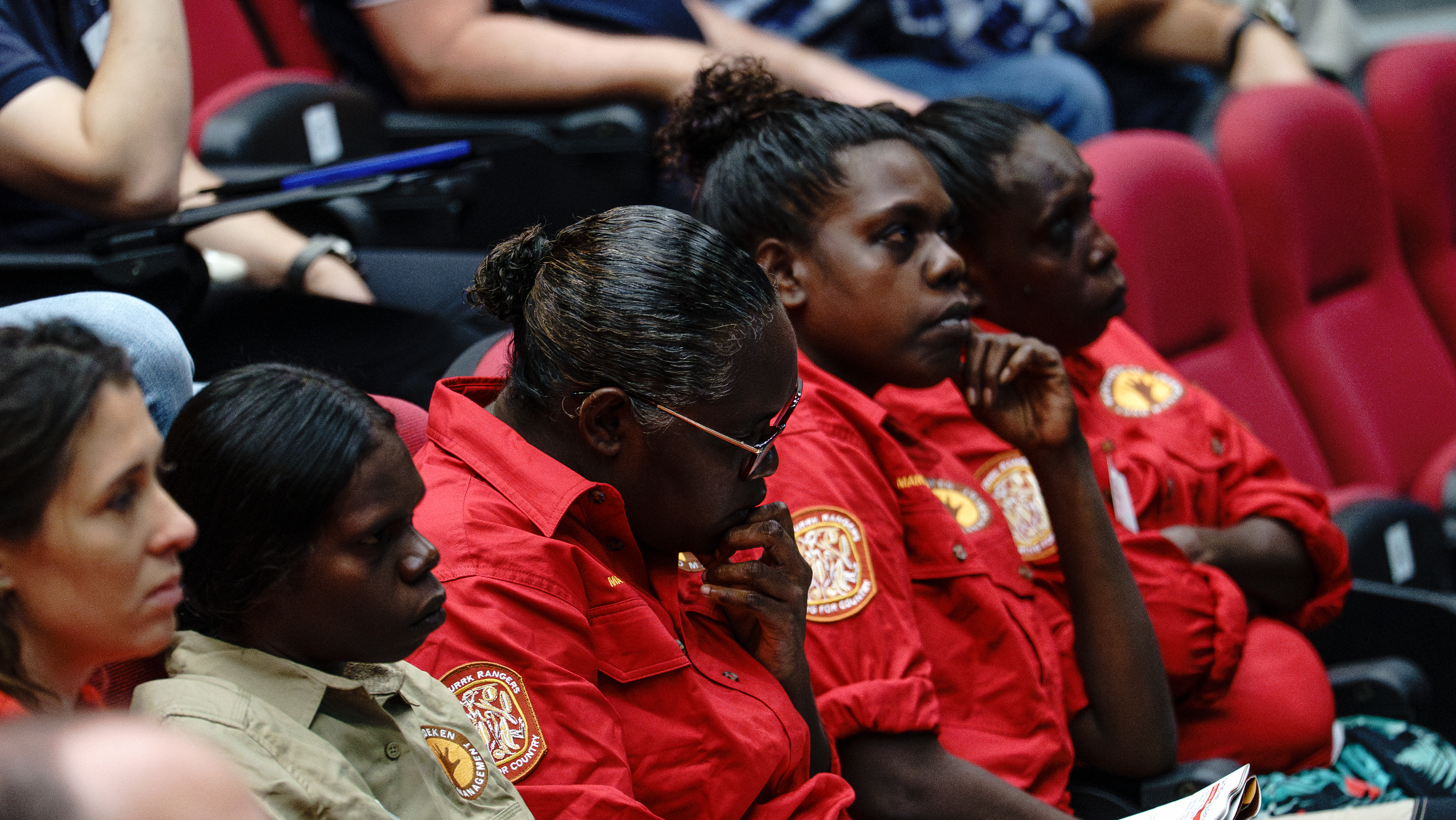
Ms Gore-Birch said the event's theme, 'Strong Roots, Strong Futures' reflected in the ICIN's evolution.
The organisation, which started with one 0.6 coordinator in 2018, has grown to include 35 member organisations supported by six staff nationwide.
"We hold a space for informing Indigenous-led discussions about critical policy developments, led by our members," Ms Gore-Birch said. "We can't do this on our own, so we need our allies to work alongside us.
"We are working at the interface of western policy and science and our own cultural systems. We have come together to be the leaders in this space."
Political figures attending the Forum included Minister for Indigenous Australians, Senator Malarndirri McCarthy, and Assistant Minister for Climate Change and Energy and Assistant Minister for Emergency Management, Josh Wilson.
In her address, Ms McCarthy said ICIN's leadership in hosting these forums is central to building a strong, informed and connected carbon industry.
"These events create opportunities to come together, share experiences, learn and influence the direction of the sector," the Senator said.
"You are shaping its future and ensuring that traditional knowledge remains at the heart of that future. Your communities are showing world-leading climate solutions through connection to Country.
"These carbon projects reduce emissions, improve biodiversity and strengthen our knowledge so that we can pass this on to our young ones."
In his keynote address, Mr Wilson said an announcement will be made in the coming months regarding new savanna fire management methods.
"This year we intend to settle the legislative scheme reforms that respond to the Chubb Review," Mr Wilson said.
"As we have committed to do, those changes will see the removal of the option to conditionally register ACCU projects on Native Title lands without having achieved properly informed prior consent."
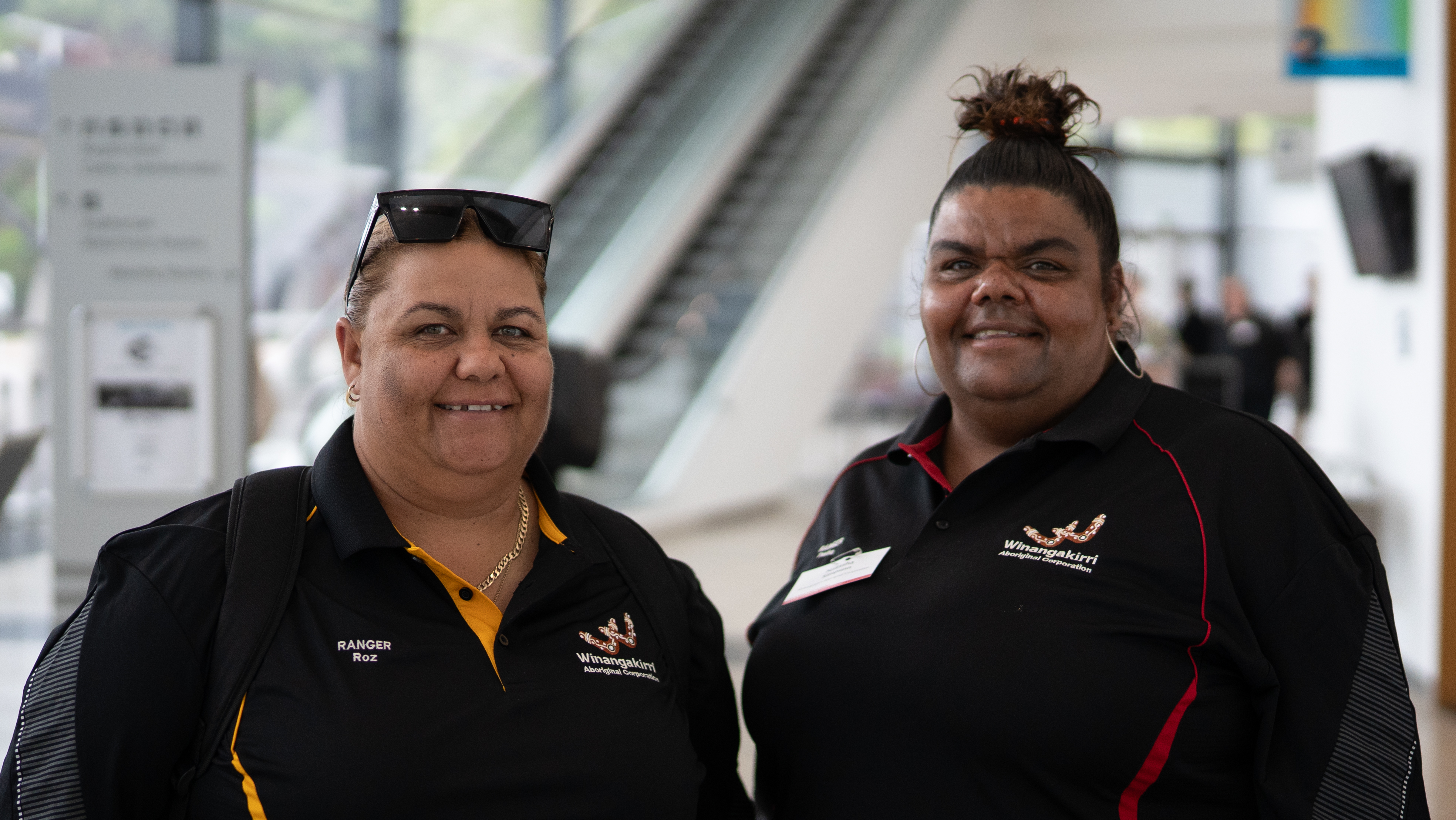
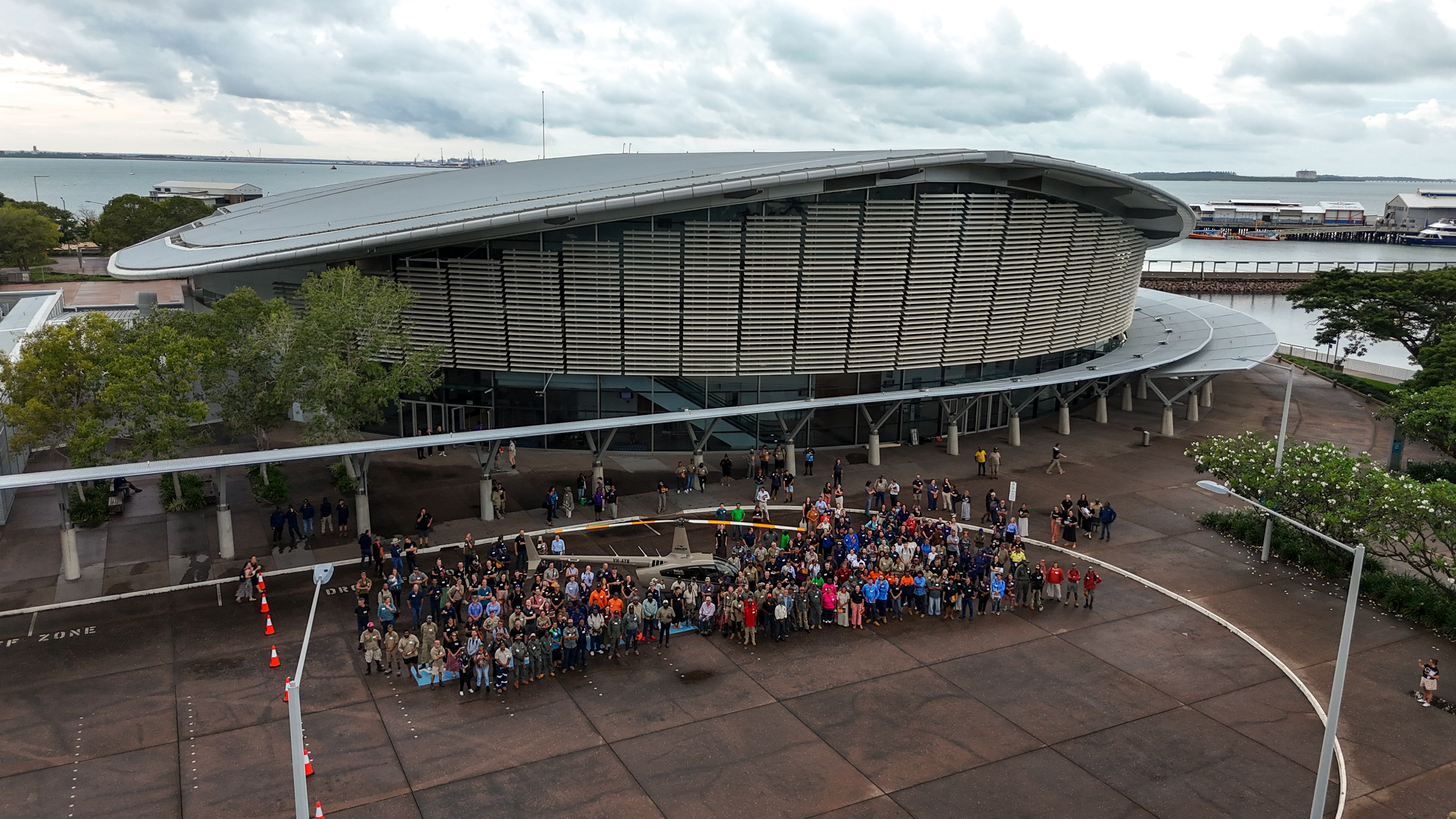
Attended by 500 people from across Australia, mostly from Indigenous communities, the Forum supported critical workshops on new ACCU Scheme savanna fire management methods, a method to extend Savanna Fire Management into the Northern Arid Zone, a draft Integrated Farm and Land Management method, and the method led by the North Australian Indigenous Land and Sea Management Alliance (NAILSMA) and the University of Queensland to reduce the disturbance of coastal and floodplain wetlands by managing ungulates.
Other sessions included rangers supporting rangers: sharing tips for running a fire camp, tools for decision making in climate and fire in Australia, nature repair market 101, environmental plantings methods, blue carbon methods, recognising Indigenous rights and interests in carbon.
Speaking on the final day of the Forum on behalf of the ICIN, Sarah Parriman said "Indigenous people have achieved significant success under the Australian Carbon Credit Unit (ACCU) Scheme" through 43 Indigenous-owned and operated projects currently registered.
"However, in the past two years alone, over 400 carbon projects have been registered, many conditionally, without consent from Traditional Owners," Ms Parriman said.
"Greater recognition of Indigenous rights and interests is critical to enabling better to Indigenous participation in the Scheme."
Overall more than 30 Aboriginal organisations presented on their fire management programs and carbon projects at the Forum, which also included cultural elements including a music session led by rangers, art sessions led by Danella Lee and two on-Country experiences.



