



The University of Adelaide marked its 150th year with the introduction of a new tradition: Kaurna Day: Tirkanthi - Ngutu - Taikurrinthi (Learning – Knowledge - Be united together).
Held at the university's North Terrace campus last week, this inaugural event was a free public gathering dedicated to honoring the Kaurna people, the traditional custodians of Adelaide and the Adelaide plains.
The occasion signified a significant milestone in recognising the rich history, culture, and enduring connection of the Kaurna Nation to the land where the university stands and operates.
The event featured community stalls, performances by Indigenous artists from the Centre of Aboriginal Studies in Music, student presentations, and collaborative information sessions facilitated by Wirltu Yarlu.
Additionally, traditional games and cultural workshops were provided by Deadly Mentorz, live artmaking by Brooke Rigney, cooking demonstrations by Creative Native & Youth Inc., and musical performances by Marlon Motlop, Shellie Morris, Tilly Tjala Thomas, and Corey Theatre.
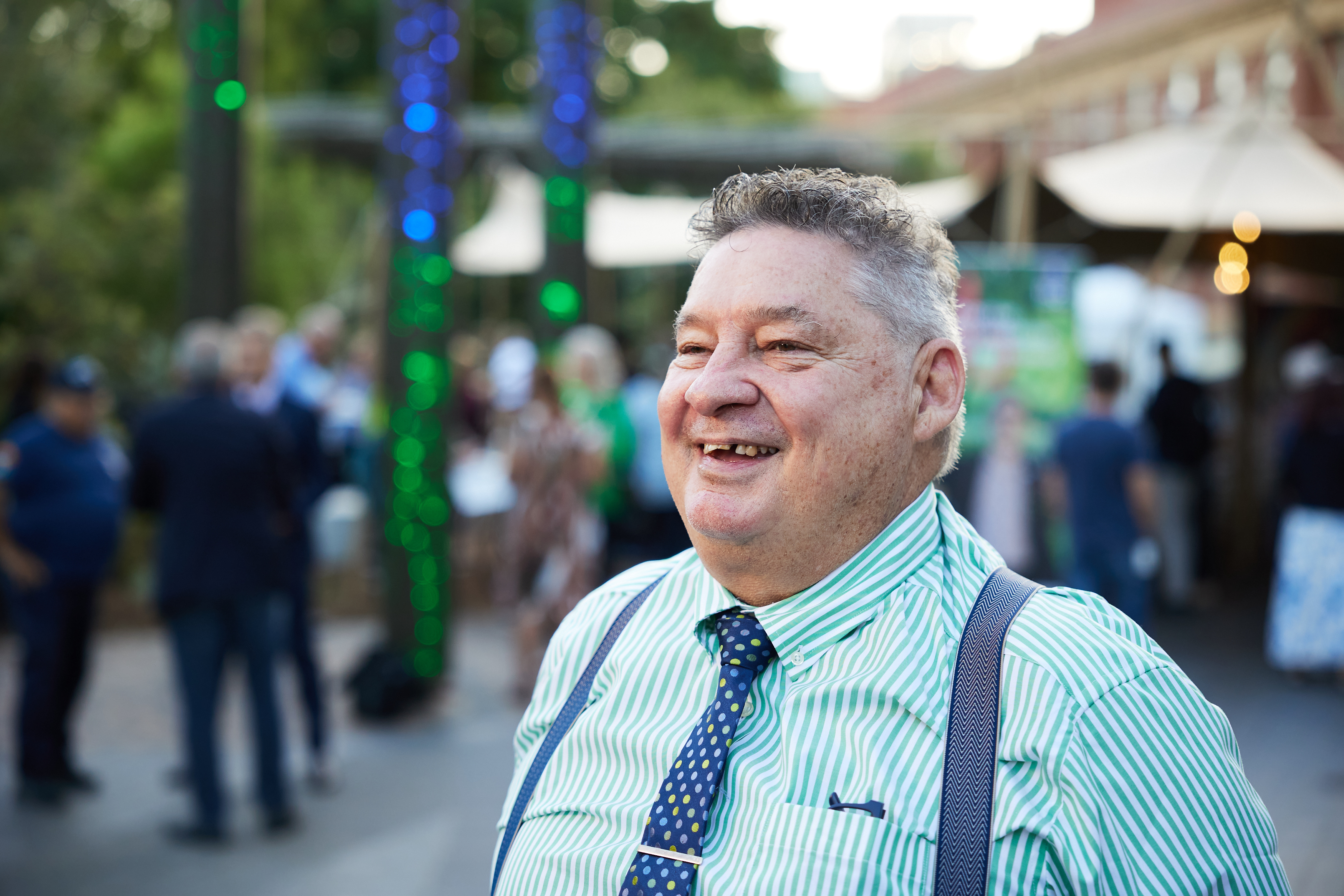
Pro Vice-Chancellor Indigenous Engagement, Professor Steve Larkin said: "We're really proud that the University of Adelaide is kicking off its 150th year with this new annual event - Kaurna Day."
"The launch of Kaurna Day is the latest milestone in the unique relationship between the University and the Kaurna community.
"It solidifies our commitment to reconciliation and lasting partnership with the First Nations communities who hold the true history of this land."
Professor Larkin noted the inspiration for Kaurna Day stemmed from his experience with Kīngitanga Day, an annual event hosted by the University of Waikato.
This event acknowledges the university's connection to Waikato-Tainui and the Kīngitanga communities by celebrating the Maori King's birthday.
He attended this event twice and actively participated in their day of recognition.
Established in 2002 by Kaurna Elders Dr Alitya Wallara Rigney and Dr Lewis Yarlupurka O'Brien, in collaboration with Associate Professor Rob Amery, Kaurna Warra Pintyanthi played a pivotal role in the success of this initiative when it officially became part of the University in 2012.
The organisation has been crucial in advancing the promotion of the Kaurna language, offering resources, and steering the language movement.
It is guided by Uncle Rod O'Brien, Wirltu Yarlu cultural advisor and proud Kaurna man, whose commitment to reclaiming the language and vision for its inclusion in every school in the Adelaide Plains region has served as an inspiration.
"I was first inspired to focus on preserving the Kaurna language by my dad, Uncle Lewis Yarlupurka O'Brien AO (the oldest living Kaurna Elder), and my late nanna, both of who instilled in me a commitment to keep the language going," said Uncle Rod.
"The goal is to see the Kaurna language to be the language of choice and to be taught in schools across the Adelaide plains, spoken by a community of fluent speakers of all ages."
Uncle Rod emphasised the significance of training Kaurna teachers.
"To achieve this, we need qualified teachers. If we have enough teachers, we can teach people of all ages and backgrounds, and that's what will really bring the Kaurna language back to life. You have to be able to facilitate change," he said.
The University looks forward to a lasting contribution to the Kaurna people, highlighting collaboration with the Kaurna community in reclaiming and revitalising the endangered Kaurna language, Kaurna Warra.
This commitment aligns with the pressing need to safeguard Indigenous languages, as 109 out of 123 spoken Indigenous languages in Australia are listed as endangered, highlighting the urgency to preserve the cultural identity they represent.
"Supporting Indigenous languages is not just about preserving words – it's about preserving the cultural heritage and identity of Indigenous Australians," Uncle Rod said.
"When you know the language, you know the country better."
"For the Kaurna community, we are thankful for the unique relationship and support of the University of Adelaide."
Community support for language preservation initiatives can take various forms, including direct contributions to organisations, purchasing learning materials, and endorsing events promoting Indigenous languages.
"Approach Indigenous languages with curiousity and respect. Asking questions in an appropriate manner can spark meaningful conversations and demonstrate a genuine desire to learn more about the cultural significance of indigenous languages," Uncle Rod said.
"Leveraging modern technology to help preserve and promote Indigenous languages can also help.
"For example, volunteering to help develop mobile apps, online dictionaries, or educational resources in Indigenous languages."



