




Indigenous rangers in Western Australia's Kimberley region have supplied supplementary food to help one of Australia's rarest animals survive after a wildfire swept through its habitat.
It is believed the endangered wiliji, a distinct subspecies of black-footed rock-wallaby, exists in only three locations – the Grant, Edgar and Erskine Ranges – in the West Kimberley. Malarabba (Erskine Range) has the highest density of the three known populations.
Nyikina Mangala Rangers from the Walalakoo Aboriginal Corporation monitor all three locations with sensor cameras. The rangers raised the alarm after a wildfire burnt 75 per cent of the wiliji's Malarabba/Erskine Range habitat in November last year.
Nyikina Mangala Ranger Group head ranger William Watson said "the wiliji means a lot to the ranger group because it's a very important species here, belongs to the Kimberley, so we've got a job to look after it properly".
Scientific analysis of the camera data, now submitted for publication, confirmed the ranger's concerns, finding the median wiliji abundance estimates dropped drastically from 160 in 2021 to 108 in 2023 after the wildfire passed through.
In February the rangers put six metal turkey feeders filled with kangaroo pellets in the Malarabba/Erskine Range habitat to help the wiliji until natural food supplies could recover.
"It's very necessary because the wiliji are suffering hard times after the big fire," Mr Watson said.
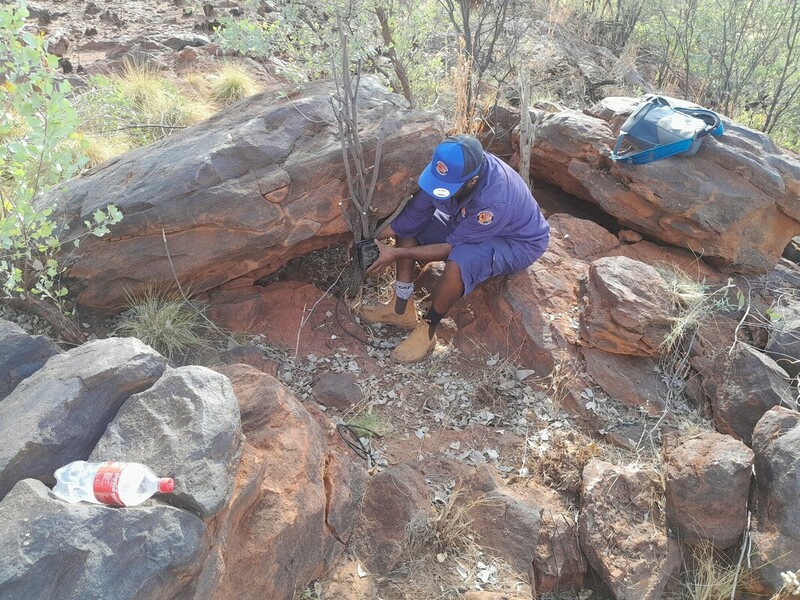
Lotterywest, the World Wide Fund for Nature-Australia, and The Foundation for Australia's Most Endangered Species (FAME) supported the supplementary food mission.
WWF-Australia Kimberley program coordinator Nick Weigner said the fires had forced the wiliji to take risks to find food.
"When large wildfires go over the rocks and burn out their food the wiliji are forced to forage out in the lowlands where there are more predators. By supplying supplementary food we hope the wiliji don't have to leave the safety of their rocky homes," he said.
"The Erskine population is the highest density we know of and possibly the highest number of wiliji left on the planet, so it's incredibly important that we protect this population."
The rangers urged drivers on the Great Northern Highway to take care and be on the lookout when they approach Malarabba/Erskine Range.
"Just be cautious because you see a lot of wilijis out on the side of the road," said Nyikina Mangala Ranger Lane Broome.
Mr Broome noted that funding assistance is important "because it gives us access to new equipment and gives us more knowledge about the wiliji and what we need to do to protect them".
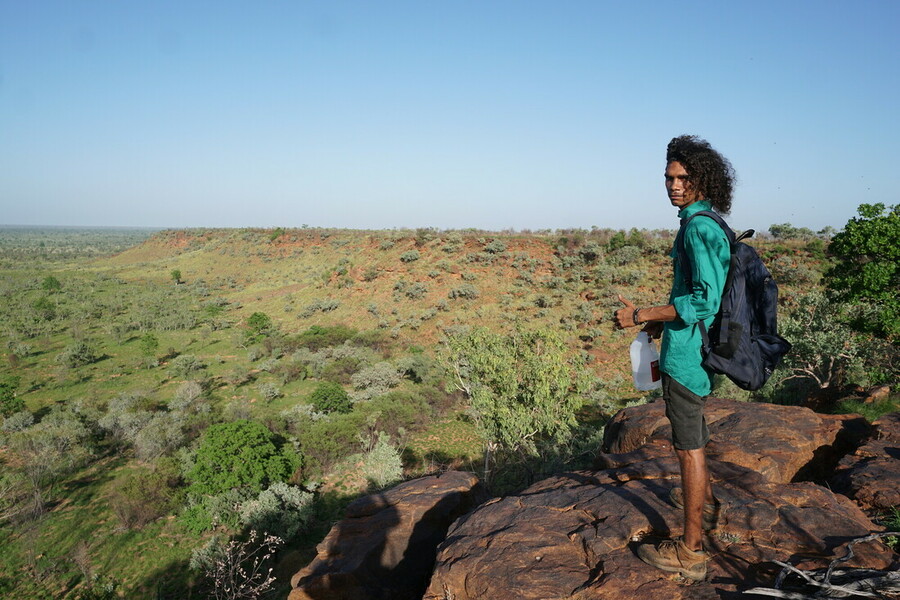
With vegetation recovering at Malarabba/Erskine Range, the supplementary feeding stations were removed in late July this year after helping the wiliji through lean times.
Cameras at the three wiliji locations have, however, revealed the extent of feral pests; with cats detected 62 times and red foxes three times. The Kimberley is considered the extreme edge of the Australian distribution of foxes, so even a small number of incursions is troubling.
Foxes have only been recorded at the Grant Range wiliji location so far. Their presence is a big concern for rangers because wiliji are already in low numbers at Grant Range and are an easy target for a fox.
The ranger team now has feral pest management strategies in place at all three locations and is practising right way fire to help protect the wiliji populations from future wildfires.



