




The passing of new legislation in Victoria aimed at preventing the permanent separation of Aboriginal children from their families has been welcomed as a long-overdue first step toward addressing entrenched injustices.
On Tuesday, the state's upper house passed the Children, Youth & Families (Stability) Bill 2025 (Vic), establishing a framework intended to "improve collaboration across Government and better support vulnerable children, young people and families".
The legislation "incorporates shared responsibilities across the Victorian Government to enhance service access and support earlier intervention for children, young people and families at risk of, or already involved with, Child Protection," said Skills Minister Gayle Tierney last month.
It removes fixed time limits on Family Reunification Orders, giving the Children's Court greater flexibility to allow more time for families to make necessary changes before reunification, where safe and in the child's best interests.
Currently, parents in Victoria are only given at most 24 months — but sometimes only 12 — to have their children returned to their care. After this period, they can be permanently removed.
Furthermore, the Children, Youth and Families Amendment (Supporting Stable and Strong Families) Bill 2025, based on Scotland's Corporate Parenting model, is designed to ensure more coordinated support across government agencies, including schools, health services and housing.
.jpg)
On Wednesday, Victorian Aboriginal Legal Service (VALS) CEO, Nerita Waight, welcomed the bill's passage, describing it as "long-awaited" and "much-needed" reform.
She argued "racist laws and harmful policies" have affected Aboriginal women, children, families and communities since colonisation, with "western understandings of attachment" used to disrupt families under the guise of "this is in their best interests".
"We know that these policies have caused irreparable harm," Ms Waight said.
Victoria records the highest number of Indigenous children in out-of-home care nationally, with research indicating the system can contribute to young people entering youth justice. Last year, now-Commissioner for Indigenous Children Sue-Anne Hunter warned that the child protection system in Victoria was "failing First Peoples".
The legislation is in response to a major recommendation of the Yoorrook Justice Report — Australia's first truth-telling body — which called for the Children's Court to "extend the timeframe of a Family Reunification Order where it is in the child's best interest to do so" and work with Aboriginal organisations to enact legislative and administrative changes to protect Aboriginal children's rights.
Evidence presented to the commission included claims unborn notifications lead to one in five First Nations children being removed before three months of age. It also heard accounts of domestic violence victims being misidentified as perpetrators and poverty being treated as neglect.
This week, Djirra CEO, Antoinette Braybrook, said the child protection system was not malfunctioning but operating as intended, and "continues to expand while Aboriginal women are left grieving the permanent loss of their children".
Describing it as "separation driven by government and backed by legislation," she added: "Permanent removal is not protection, it is punishment. It is the continuation of policies that has impacted our people since the commencement of colonisation."
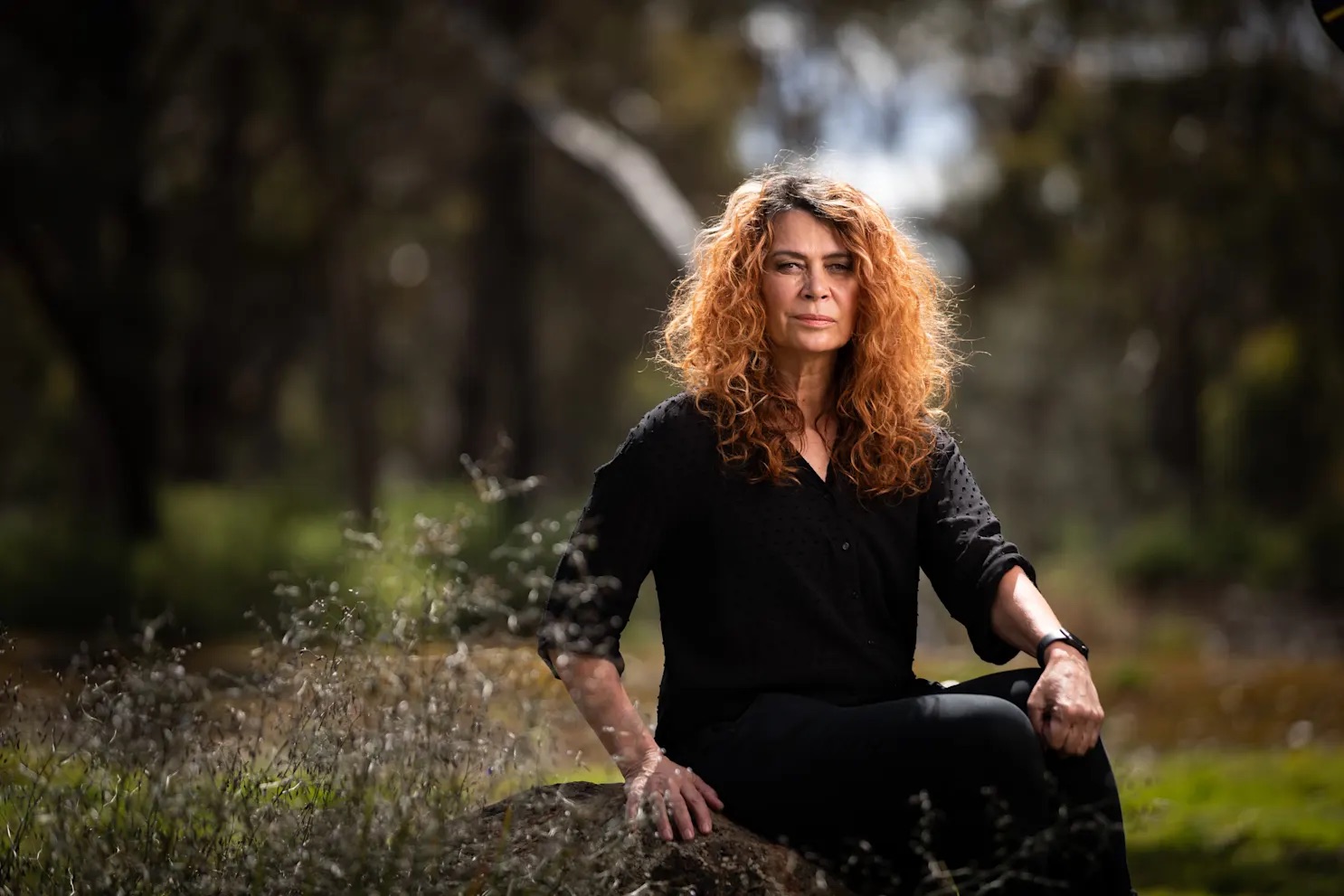
The state government has acknowledged more reform is needed in the out-of-home care sector, while noting Victoria has the country's highest rate of Aboriginal children placed in kinship care — almost 20 percentage points above the national average.
Introducing the legislation last year, Children's Minister Lizzie Blandthorn said child protection requires a whole-of-government approach, arguing, "by working together across Government, we'll give children the support they need to thrive".
"Every child deserves a safe, loving home — we're making sure families get the right support, at the right time," she said.
Ms Waight argued while the new reforms don't "fully meet the full intention" of the Yoorrook recommendations, they will still improve oversight by "building in greater accountability and responsibility in cases where the state seeks to permanently separate Aboriginal children from their families".
However, she cautioned that addressing "racist and discriminatory child protection laws and practices" would require substantial further work. In 2024, Coroner Simon McGregor found systemic racism within Victoria's child protection system after the death of a 17-year-old Wemba Wemba child, known as XY, who died by suicide after repeated requests to connect with her Indigenous culture were ignored.
Ms Waight said removal of Aboriginal children should only ever be a last resort, consistent with the "principle of being in their best interests".
"This government must invest in culturally safe, therapeutic and holistic prevention and early intervention supports, including access to legal assistance to support families to stay together and to prioritise reunification where the child must be removed," she said.



