




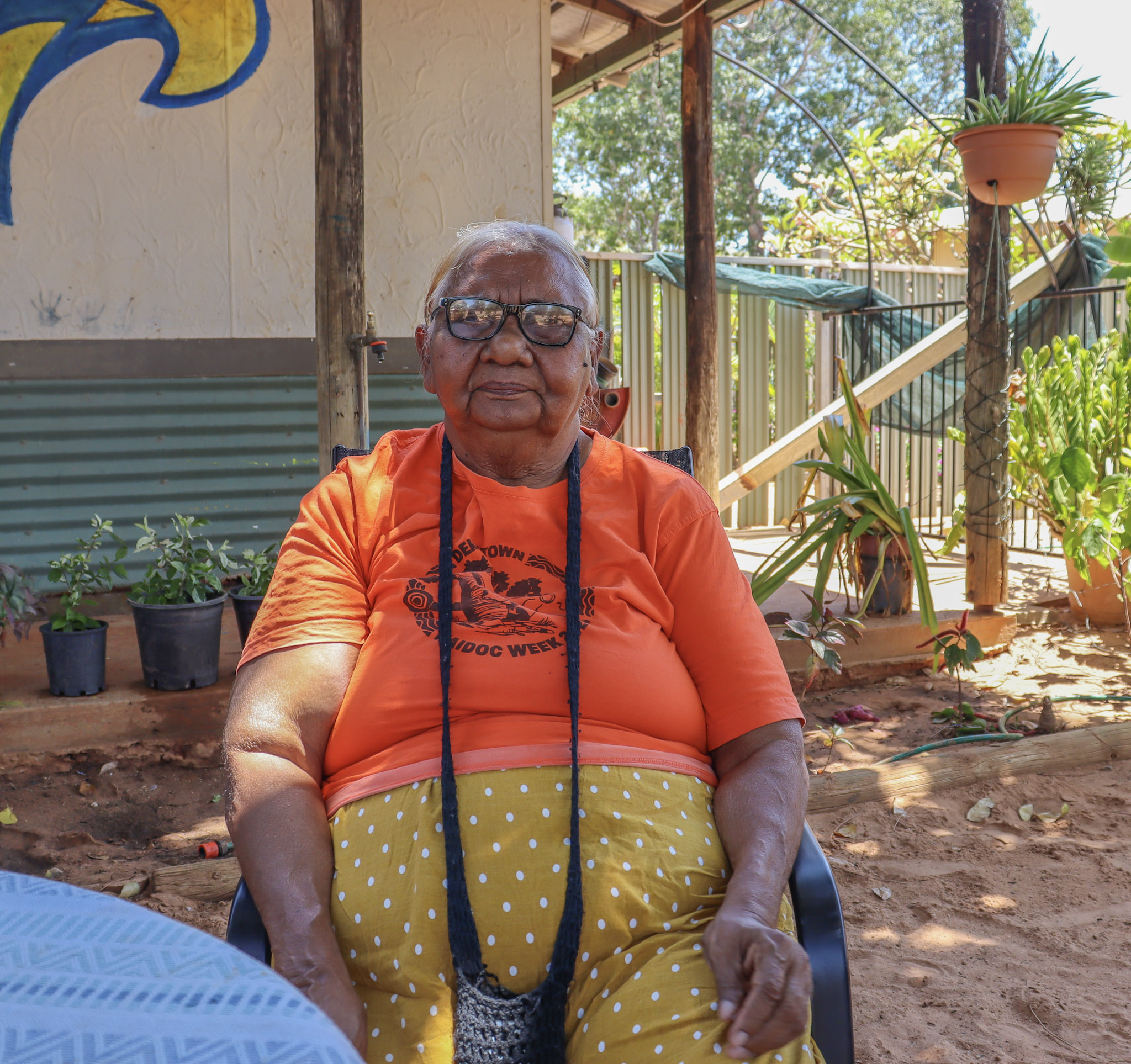
"It makes us feel like they've got no trust in us, and how we handle our money," says Nyikina Elder Glenys Benning.
She sits with three generations of family on the front lawn of her Derby home, an Aboriginal town 220km north of Broome in WA's Kimberley.
Potted trees provide some shade from the heavy, humid heat ahead of the region's wet season.
Ms Benning, who has worked all her life and now receives the age pension, relied on Centrepay to buy bulk meat from the local butcher, Sampey Meats, to feed her extended family.
Centrepay is a system which takes money directly from Centrelink payments before they reach a person's account.
The Coalition government led by John Howard rolled out the scheme in 1998, originally for essentials such as rent, power and water.
Over time, the Centrepay expanded to groceries and other retail goods, with businesses including Sampey Meats signing up.
But from 3 November, Services Australia will remove butchers and supermarkets from Centrepay, limiting it to payments for rent, energy, medical, education and legal services.
While butchers are being removed, supermarkets in remote areas such as Derby can still offer Centrepay as a payment option for food and groceries.
The agency says the changes return the system to its original purpose after years of misuse.
Consumer watchdogs have highlighted those problems.
In 2023, the Australian Energy Regulator found energy giant AGL had continued taking deductions even after customers had closed their accounts.
The corporate regulator ASIC banned discount clothing chain Urban Rampage last year from Centrepay after it signed up Aboriginal customers in remote northern Australia to thousands of dollars in purchases, with payments taken from welfare incomes.

And when funeral insurer Youpla — formerly the Aboriginal Community Benefit Fund — collapsed in 2022, many families were left without cover despite years of paying premiums through Centrepay.
ASIC later ruled the company had misled people by presenting itself as Aboriginal-run and selling poor-value policies which lapsed easily.
Financial counsellors, in letters to the Albanese government, said such practices left people in debt and without enough money for food or fuel.
For Ms Benning, Centrepay was never about misuse, it was about making sure families could eat.
"Centrepay was a great backup," she says.
"Even if your money was gone you knew you could get food. It helped people not go hungry, especially on weekends."
She recalls families walking out of Sampey Meats with boxes of meat, bread and eggs they had bought through Centrepay.
Walalakoo Aboriginal Corporation chief executive Robert Watson says Centrepay has worked efficiently in Derby.
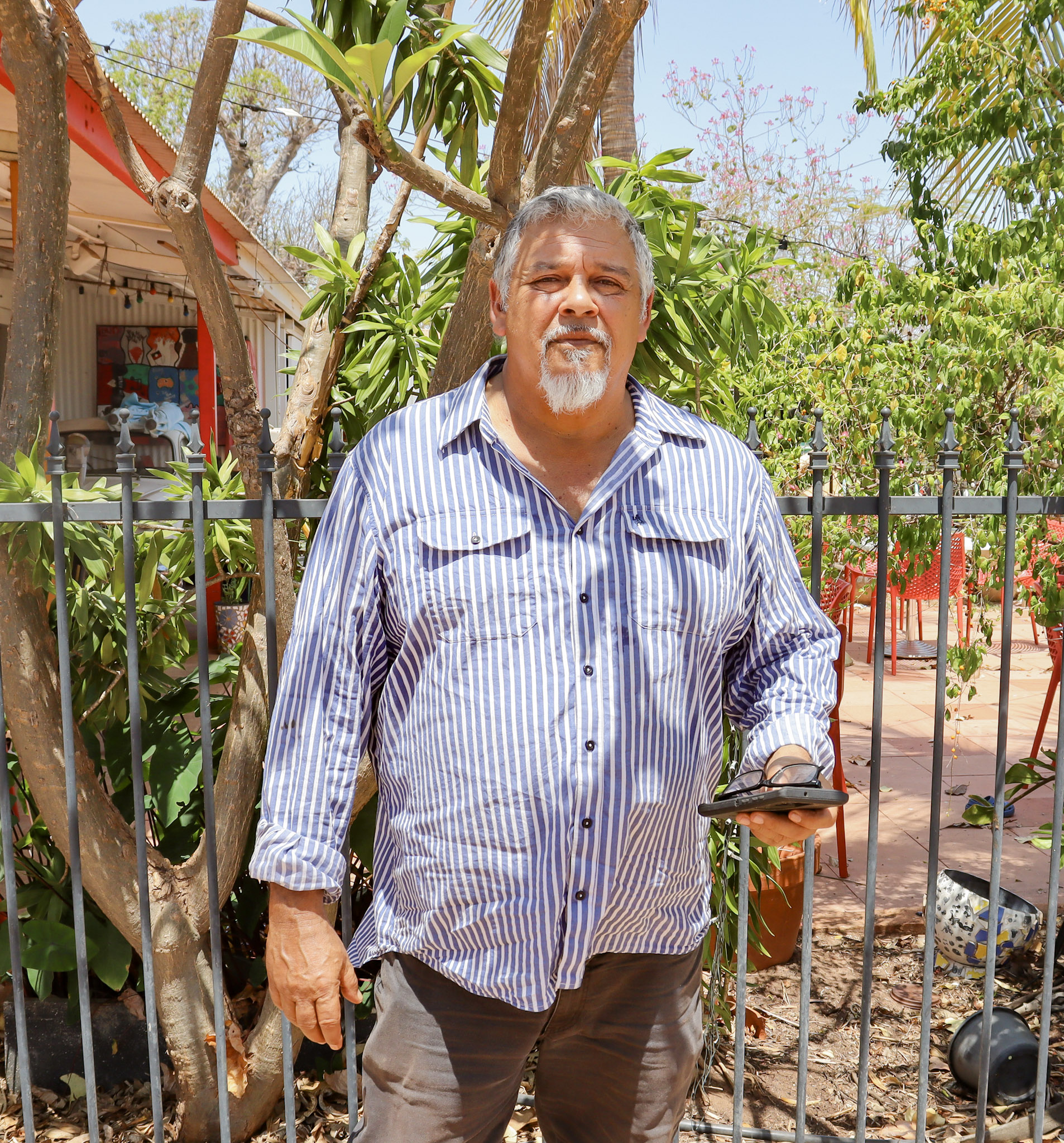
"It's a system where people can invest their money in something central to the family, like $300 worth of meat for the kids for a fortnight, and they pay it back," Mr Watson says.
"Stop that, and you create uncertainty for Aboriginal families already living pay to pay."
It's a concern shared by Sampey Meats co-owner, Heidi Sampey.
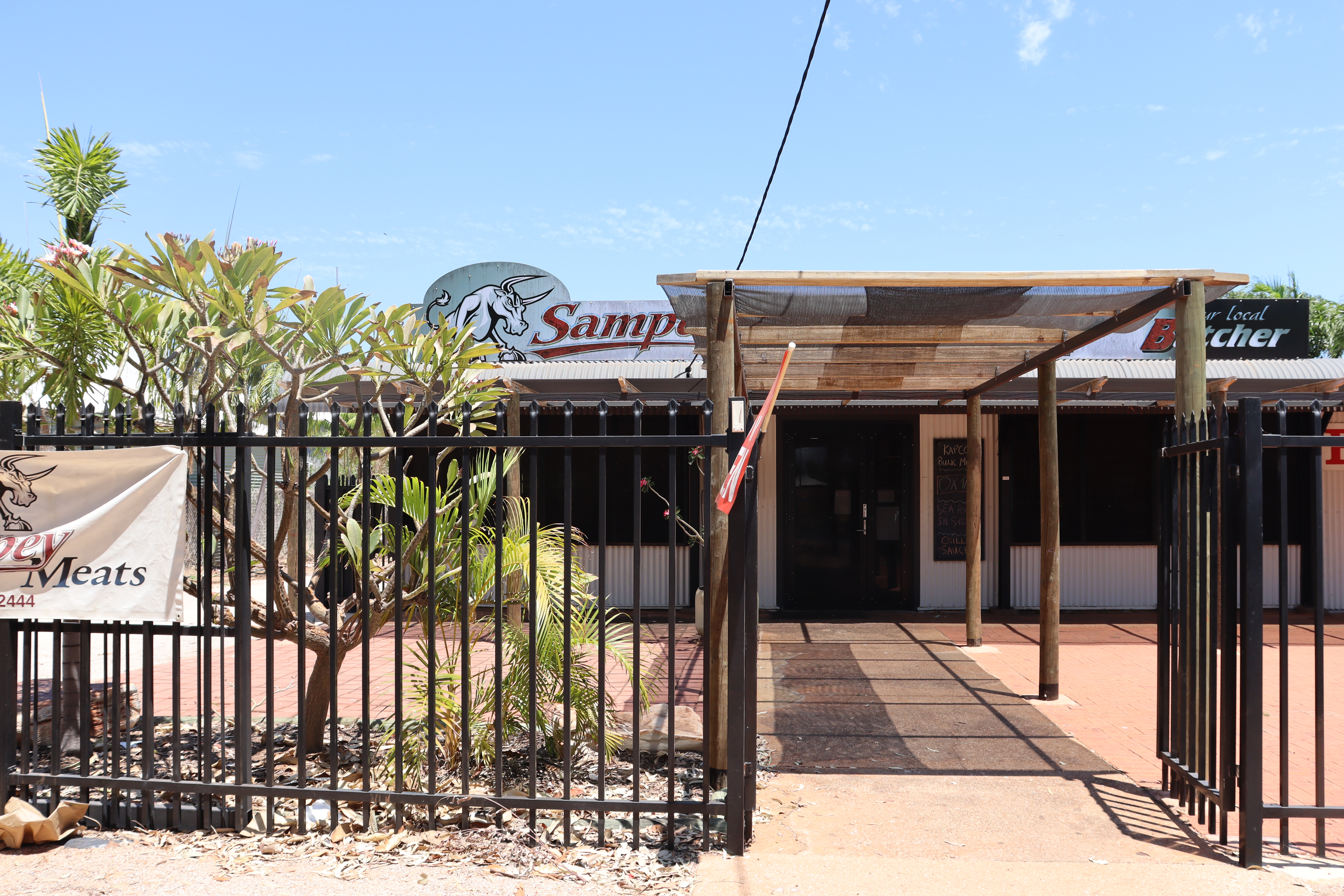
"We'll survive the Centrepay reforms financially," she said.
"As a business, we've reinvented ourselves many times over 20 years, people will still buy our food. I'm more worried about the people of Derby than our shop — how they will get food."
The long-term Derby resident observed how Centrepay changed daily life in the town.
"When Centrepay started, even the Women's Resource Centre said they hardly had to give out food vouchers anymore, because families had access to food all the time," she said.
Ms Sampey says the rollout of reforms has felt abrupt.
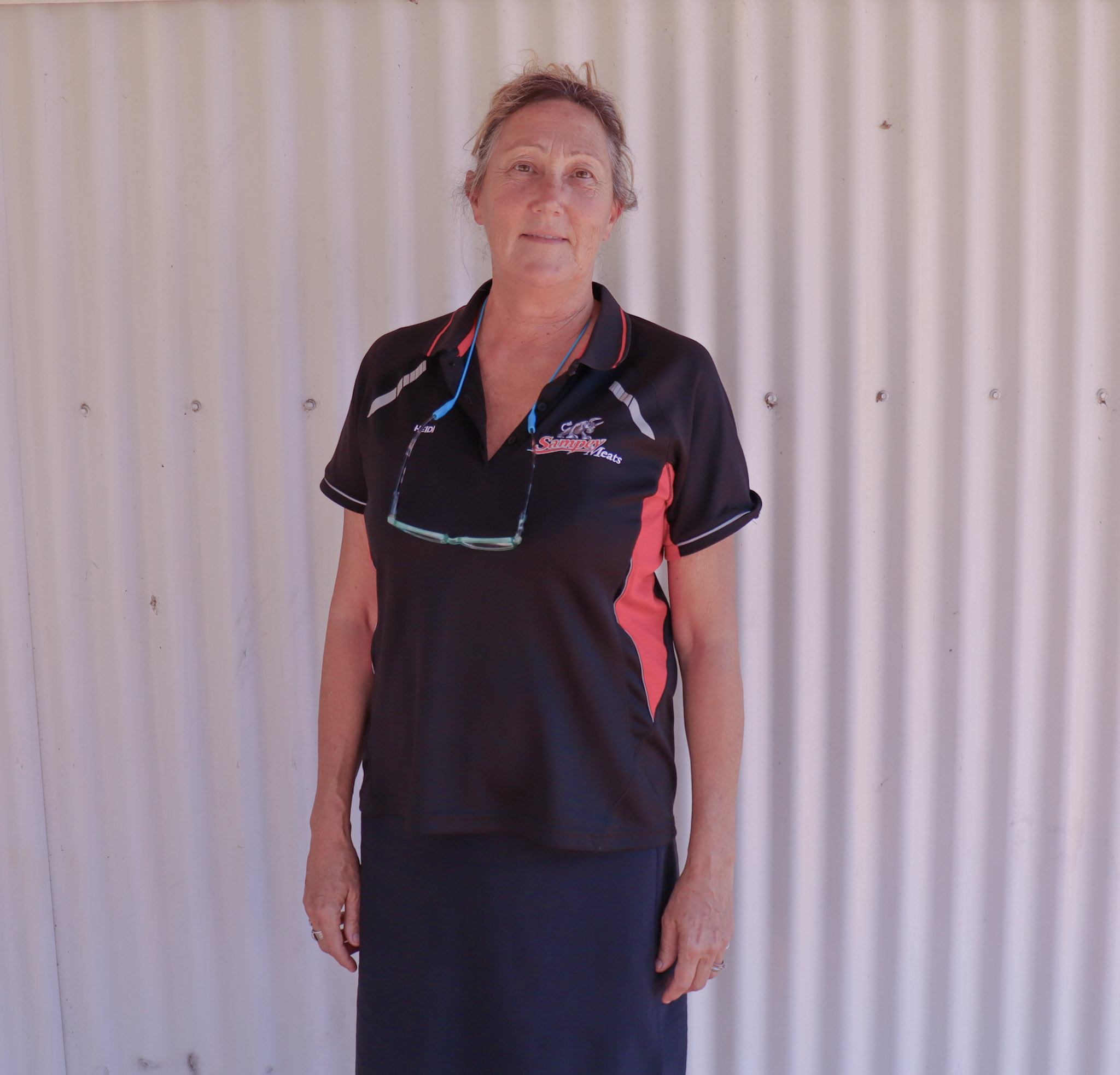
"Last year we were told Centrepay was going to change," she said. "Services Australia sent an email asking us to have our say, but we weren't told what we were supposed to be commenting on."
When Ms Sampey began researching the reforms and discovered how soon they would take effect, she phoned the agency.
"I made phone calls and found out how quickly it was coming into effect, we had no idea," she said.
The suddenness has also unsettled Nyikina Elder Eileen Riley, who uses Centrepay for food shopping.
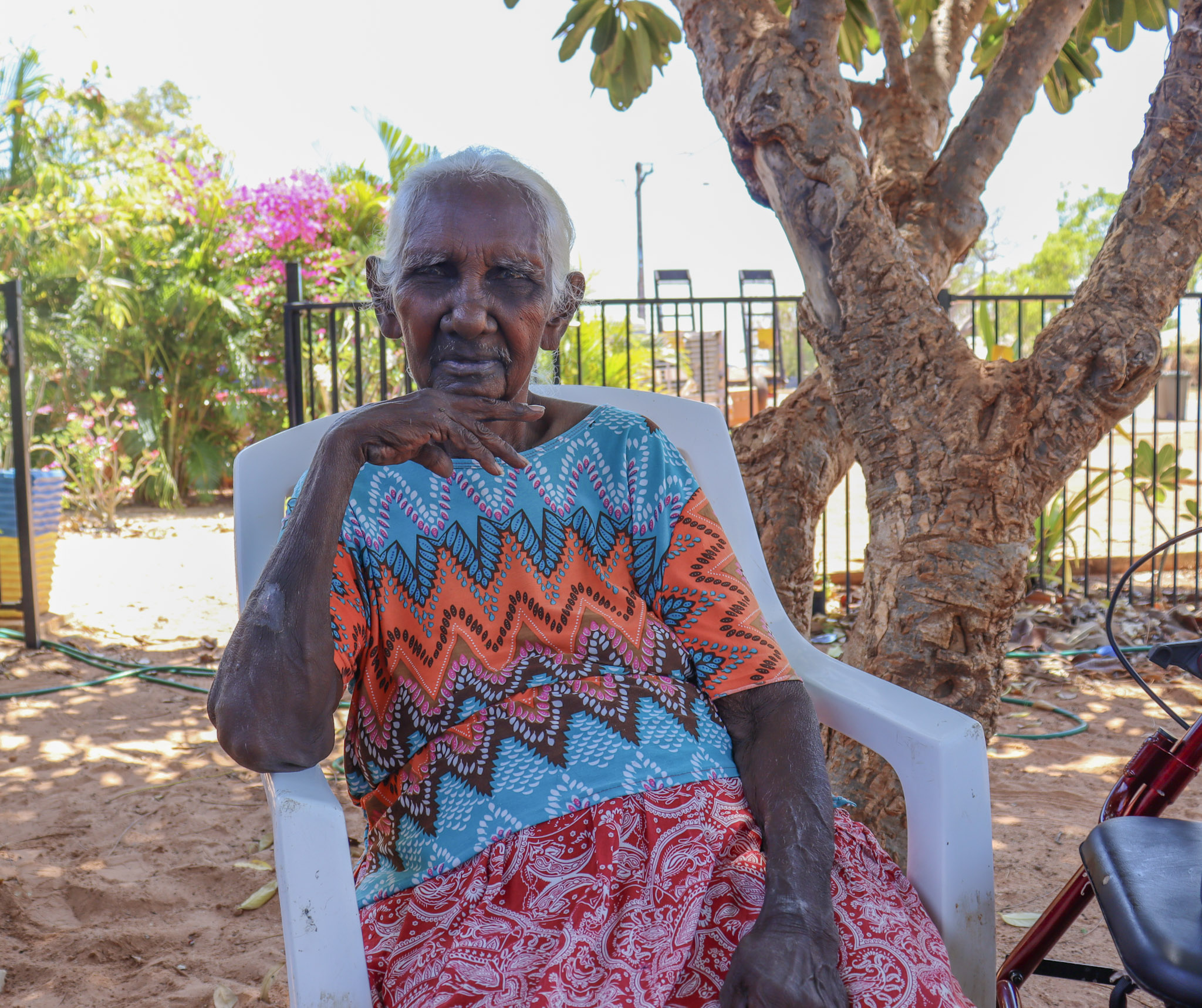
"I was shocked at first, but it's too late, the changes are happening next month," she says.
Ms Riley only found out through Ms Benning, who in turn learned of the reforms because her daughter received a letter from Services Australia.
Ms Benning, who carefully records every dollar she spends in a notebook, says she should have been contacted directly as a Centrepay customer.
"Even the letter was hard to understand, it just made us confused," she said.
"Nobody from government came and spoke to us. Not the council, not the Chamber, not families who use it. Nobody."
That frustration is echoed by former Derby shire president, Peter McCumstie.
"Canberra says they consulted widely. Well, they didn't consult Derby. At best they may have spoken to an office somewhere, not to the people actually using it," McCumstie said.
A Services Australia spokesperson rejected claims the changes had been rushed or poorly explained.
They said the reforms were shaped by "extensive public consultation and co-design with customers, advocates, business and government over the past 18 months".
The agency said it held consultation sessions in Broome and Derby in September last year, with a First Nations-owned business assisting with engagement across Western Australia.
Services Australia declined to say which groups were consulted in Derby last September, telling National Indigenous Times it could not release details for privacy reasons.
"These changes are about making Centrepay fairer, protecting vulnerable customers, and reducing the risk of financial harm," the spokesperson said.
"Centrepay will no longer cover butchers in towns like Derby, where people will need to use other payment methods, but it will continue in remote and very remote stores where options are limited."
They added that the 12-month transition period was designed to give customers and businesses time to adapt, including setting up alternative arrangements if they preferred.
Derby IGA and Betta Mechanics owner, Brett Perkins, argues the government still underestimates how Centrepay worked as a safeguard in practice.
"Northern Australia is being dictated to from Canberra," he said.
"If a business misuses Centrepay, cut them off, don't punish the majority who use it properly."
Mr Perkins also points to the way Centrepay protected families from "humbug".
In the Kimberley, "humbug" refers to coercive demands for money — often within families — that can include pressure to hand over cash or the misuse of bank cards and Centrelink payments, leaving individuals without money for themselves.
Jaru woman Natasha Short, founder of leadership network the Kimberley Jiyigas conducted a major inquiry into humbug and Elder abuse five years ago.
She says the problem has not improved.
Mr Perkins said if Centrepay was removed from IGA in Derby so will be the stores to be a barrier from humbug for customers.
"Customers had money set aside for food and essentials, because it sits in the store account and can't be taken," he says.
"Inside my four walls I can protect them, I can make sure there's food on the table. But once that's taken away, I can't protect them anymore."
While advocates warn humbug remains a serious issue, older community members such as Ms Benning say the reforms leave them feeling overlooked by the Australian Government.
"I thought we should be given a right if it's our pension," she says.
"It's the thing of being told what is going to happen in the future, without giving us a choice."
The National Indigenous Times reached out to Finance Minister Katy Gallagher, Minister for Employment and Workplace Relations of Australia Amanda Rishworth, and the Federal Member for Durack Melissa Price for comment but did not receive a response.



