




A First Nations equity arrangement at AMPYR Australia's Bulabul Battery project in central west New South Wales is being held up as a potential model for Aboriginal ownership in Australia's clean energy transition.
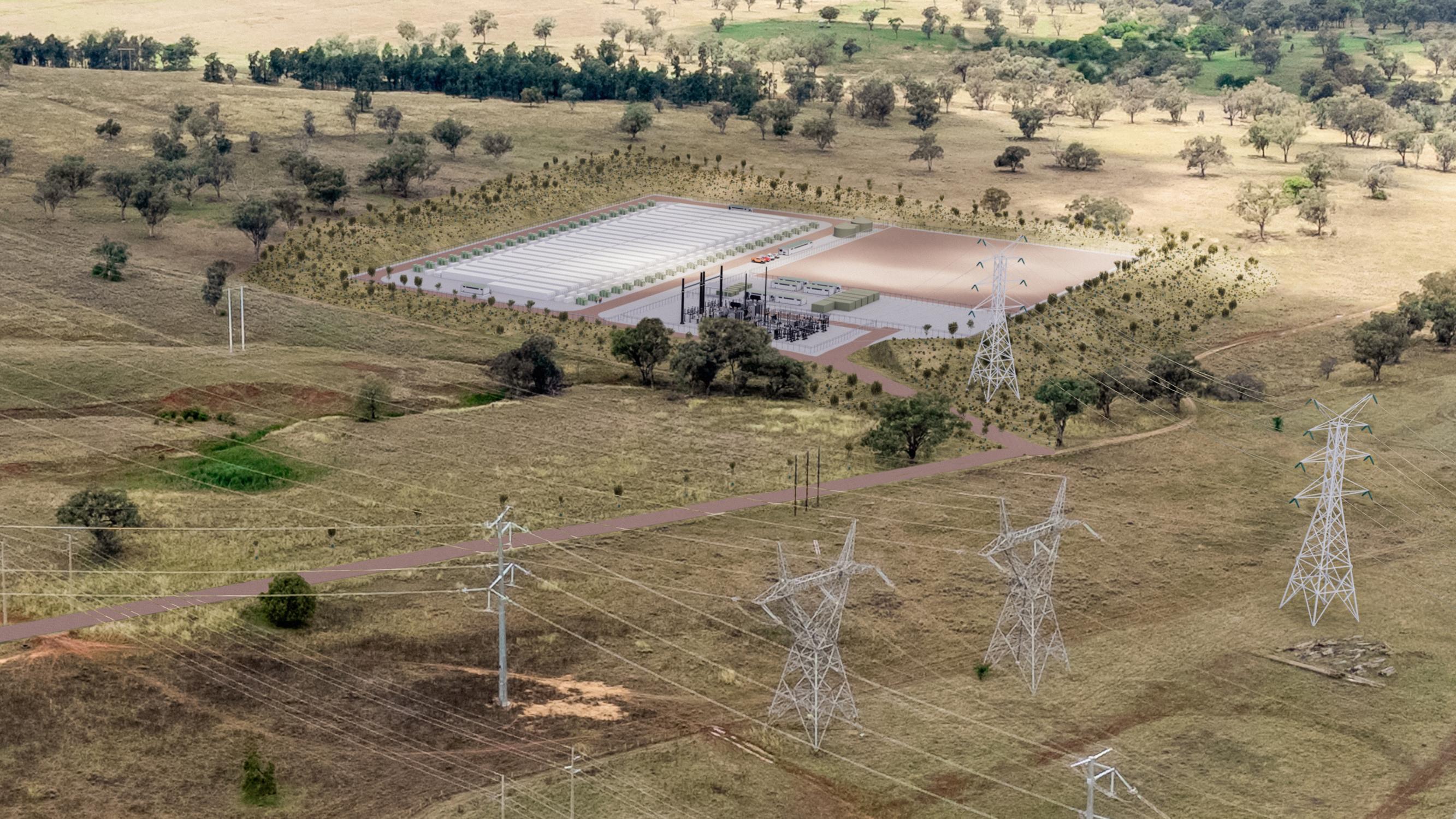
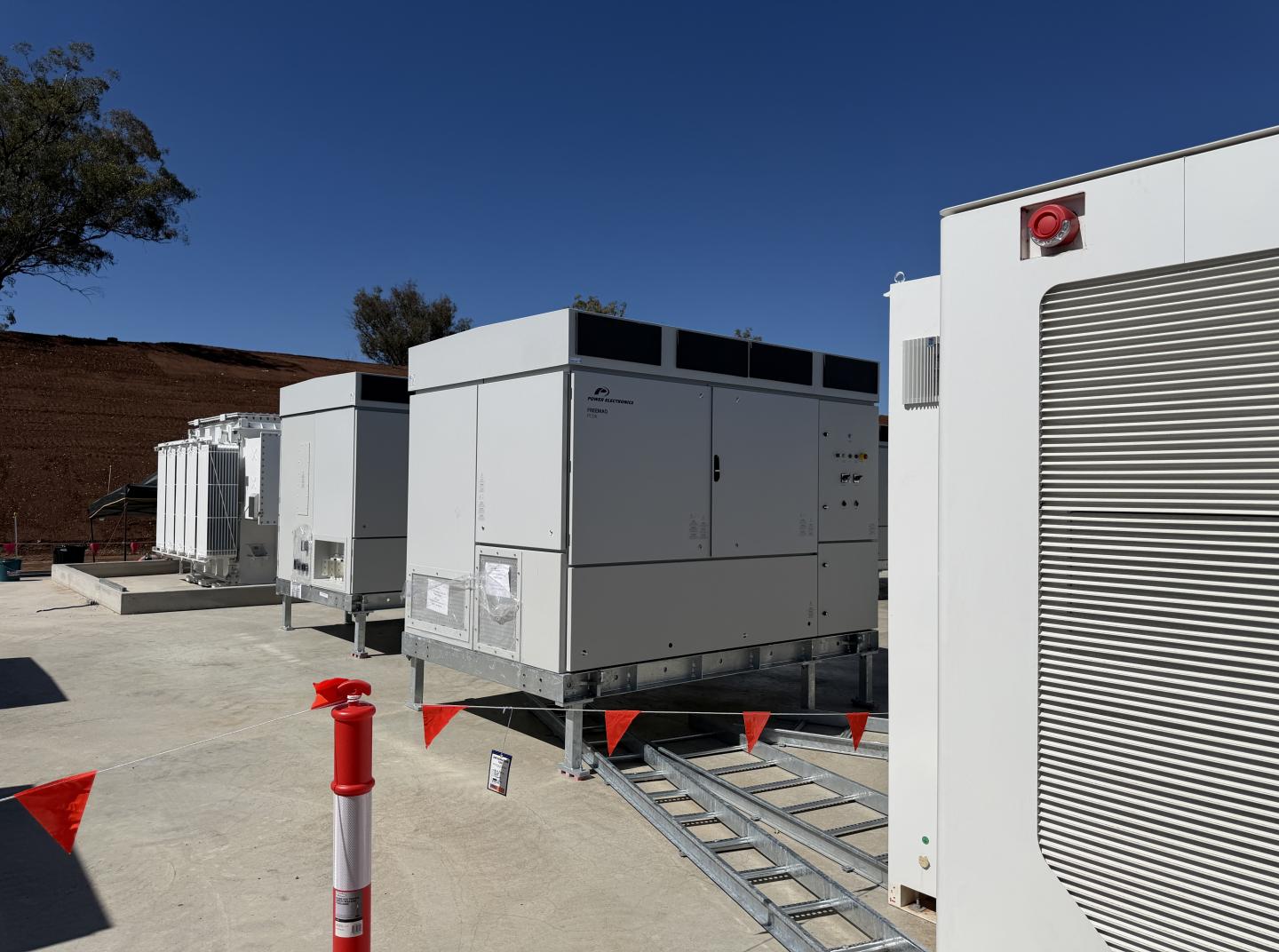
The large-scale battery energy storage project, located near Wellington on Wiradjuri Country, is being developed by AMPYR Australia. Wambal Bila Limited, representing the Wellington Aboriginal community, has secured the right to acquire a five per cent equity stake in the first stage of the project.
Chris McKendrick, an advisory and transactions partner with Yamagigu Consulting, said the transaction was significant because it was not driven by an existing native title agreement, land access agreement or Indigenous Land Use Agreement.
The project land is privately owned, meaning the equity arrangement was not simply the result of a legal requirement tied to land tenure.
"The challenge was, how we then carve out equity participation for community," Mr McKendrick said.
He said AMPYR deserved credit for seeking to involve the Wellington Aboriginal community and for helping "shift that dial from land rights into economic rights".
The structure is significant because it gives the community a pathway into project ownership, rather than limiting its involvement to consultation, employment targets or one-off benefit payments.
Mr McKendrick said the developer began discussions with representatives of the Wellington Aboriginal community in late 2024, with the project reaching financial close in June 2025. At that stage, the community signed a call option agreement, giving it the right, but not the obligation, to seek the five per cent equity interest at a later date.
That also gave the community time to secure financing for its equity position.
The financing structure is central to the deal. Rather than requiring the community to put up land or other assets as security, the financing was supported by the project's future cashflows.
Mr McKendrick said Yamagigu was able to review the underlying models supporting the project so that Wambal Bila could take those assumptions to Commonwealth Bank.
"CBA determined that the model essentially was a bankable model," he said.
"The community didn't have a balance sheet. They couldn't put up other assets to provide security."
He said the task was getting the bank sufficiently comfortable with the projected cashflows from the project and using those cashflows to support the financing required for the First Nations equity component.
Yamagigu's role was adviser to Wambal Bila and project manager on the debt raise.
He said the firm's role included working alongside Wambal Bila's legal advisers to translate the complexities of the deal for community board members, while also translating the board's needs and requirements back to the bank.
"We didn't have an overly sophisticated board. The board wasn't made up of finance heads," he said.
"It was members out of the community, respected members out of the community."
Mr McKendrick said securing the right advisers was important to ensure the board could make an informed decision about whether to take on the financing.
Commonwealth Bank says innovative financing models that support First Nations participation in major infrastructure projects are an important part of ensuring communities can share in the long-term economic benefits of Australia's energy transition.
Mitchell Heritage, Executive Manager of Indigenous Business Banking, said the transaction reflected the bank's broader commitment to supporting Indigenous economic participation and helping communities access opportunities created by the energy transition.
"We're proud to support innovative financing structures that help create long-term economic opportunities for First Nations communities," Mr Heritage said.
"This transaction demonstrates how collaboration between community organisations, developers and financiers can support greater Indigenous participation in Australia's energy future, while helping ensure the benefits of major infrastructure projects are shared locally."
The transaction comes as federal policy begins to move in a similar direction. The Commonwealth's Capacity Investment Scheme is expected to include stronger incentives for First Nations equity and revenue-sharing arrangements in renewable energy projects.
Mr McKendrick said Yamagigu's analysis suggested between $5 billion and $12 billion in capital could be needed over the next decade to support First Nations equity participation in clean energy projects.
He said the scale of the opportunity was significant, with a large proportion of future clean energy projects expected to be developed on land under the care or control of First Nations groups.
For developers, Mr McKendrick said the lesson from Bulabul was that First Nations equity should be seen as a way to reduce project risk, not add to it.
"Having a First Nations group at the table with you will help de-risk your project," he said.
"It will mean that you are on the same page much earlier, you are collaborating earlier, your approvals should be smoother, your relationship will be smoother."
He said Yamagigu was already seeing a pipeline of similar opportunities in renewable energy, as well as other infrastructure sectors.
"This is hopefully the new norm," Mr McKendrick said.
"This is about lifting expectations and this is now the benchmark."



