


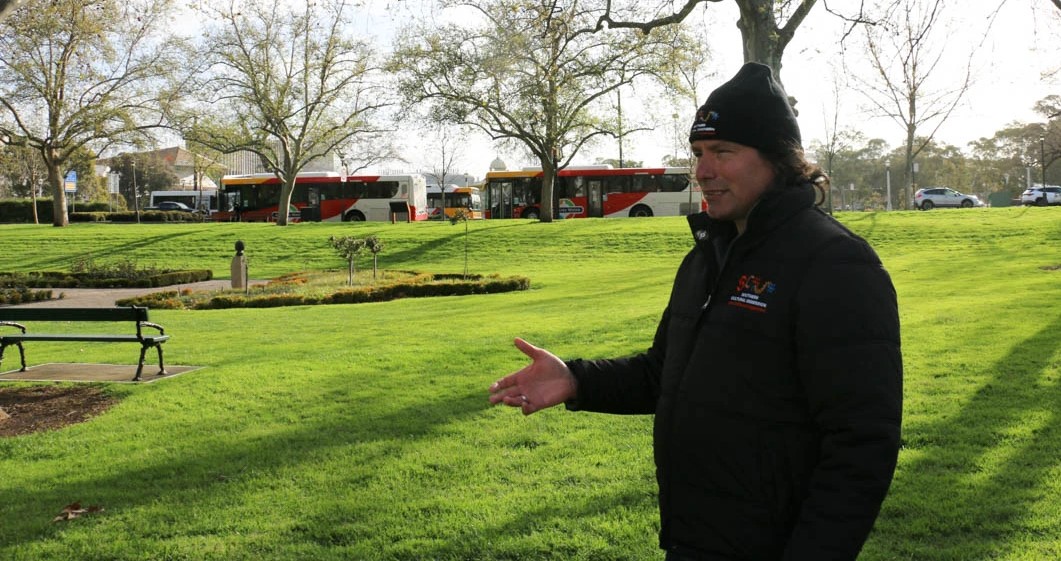
Elijah Bravington has worn many cultural hats and as a former Aboriginal tour guide, the Arabana man would survey the horizon of modern-day Adelaide plains and tell of a time of a different place.
When emus and kangaroos roamed across Tartanya lands, interest rates nor inflation influenced homelessness among the Kaurna meyunna mob. But the colonial powers soon would.
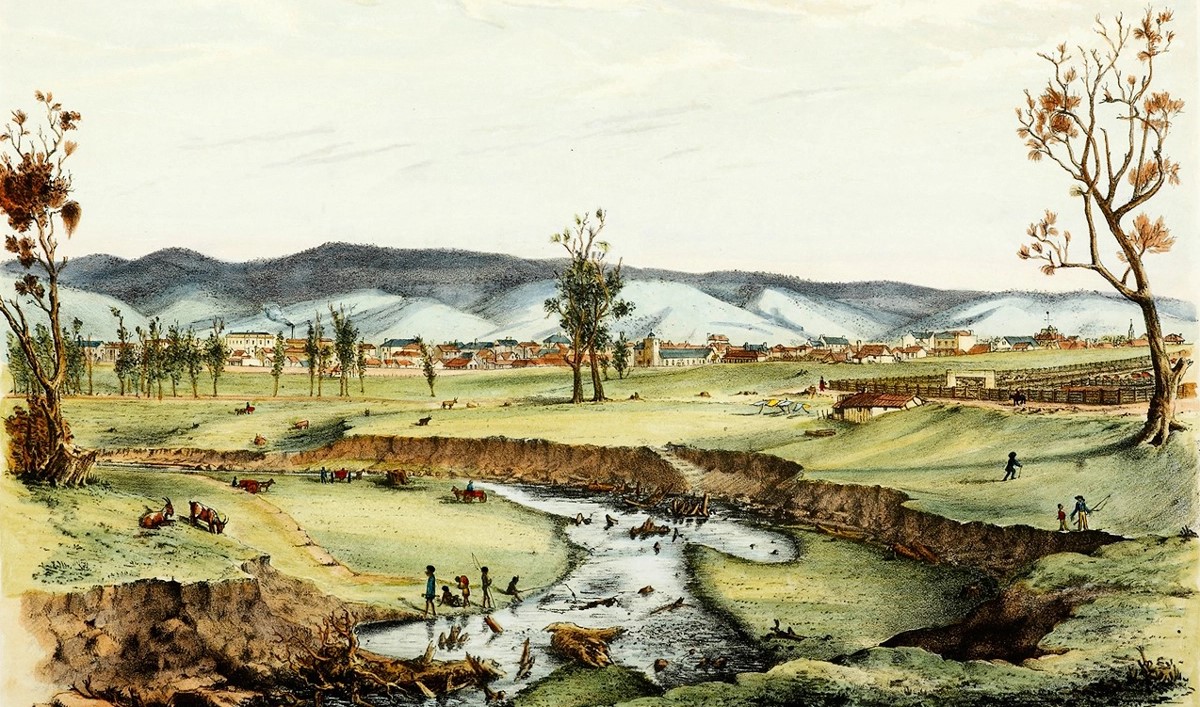
Colonel William Light's 1837 vision to turn Tarnda Kanya into Adelaide had building houses from materials found on the rocky outcrop of Karrawirra Pari/River Torrens.
The sandy limestone was an important cultural site for the Red Kangaroo Dreaming and, for the Dundagunya tribe, a sacred place for special ceremonies and dances.
It set in motion that the Kaurna were a powerless, fallen victim, never to be the same again since the settlers had no understanding of their Indigenous culture, spirituality, and most importantly, relationship to the land that in the main continued.
"Talk about privilege and things like that, but we've directly seen the correlations of past policies, past failures and outright racism against minorities, like us, Aboriginal people in this country," Bravington said.
"Even these days, like on May 6, we commemorate, celebrate the healing of National Sorry Day – people often talk about what is the meaning of it, and why are we going through this?
"But it's important to know in your heart when you go down the street and you see us homeless, impoverished, selfless people, it often stems from those past traumas."
Bravington would speak to walking tour visitors, delivering out culturally appropriate experiences that were largely honouring First Nations stories and people, but also in harsher terms of truth-telling exercises.
The desecration of red kangaroo rock sites was the start of the "generational wealth", he'd explain, between non-Indigenous and Indigenous divisiveness.
The community and development advocate of safe and stable housing for Aboriginals and Torres Strait Islanders in the state talks of not only a real eye-opening process; his family bloodline once lived it and eventually broke a homeless cycle.
But that was not always possible when historically Indigenous families were once not legally allowed to own property.
"We have had this thing called industrialism thrusted upon us, very randomly, on our culture," Bravington said.
"While some of our people have made a pretty good go at it, others though have well and truly fallen through the cracks.
"When we think about this aspirational place we know as Australia, and especially when South Australia was formed, letters had patently recognised that Aboriginal ownership of the land but that, of course, all got pushed aside over the years.
"That's when Aboriginal people got removed from their country, their culture, their kin and the assimilation policies were going to hurt when they took away our kids to non-Aboriginal people. It's a pretty crazy thing and now we wonder in the world why all Aboriginal people have suffered so disproportionately."
With this hurt, home ownership was never realistic despite the laws changing.
Only when a family friend, known just as Mr Barnes, helped aid an uncle to secure a house that his clan owned a home of their own.
The fact the elderly man had once worked with Bravington's great, great, grandfather, pastoralist Francis Dunbar Warren, shows how systematic the ownership of property was and for how long.
"You can see how discrimination has had a lasting impact, especially when it comes to creating generational wealth," Bravington said.
"This is why housing is so important for our generation and the coming generations."
That prevalent issue of homelessness still remains and has been his focus since before being one of the original signatories to the Uluru Statement from the Heart.
Bravington has insisted that Aboriginal mob always looked after each other and only now can they appreciate that government is showing the "bravery" and "compassion" finally to the cause behind an Indigenous Voice to Parliament.
But despite following traditions of community gathering together on Country to meet, dissenting views threaten the proposed Voice.
"Some people came with the right kind of spirit – others, not so much, I have to say," Bravington said.
"We all came together to negotiate, talk things through, but some did not have that in their heart when they arrived on that plane.
"But it was amazing to bring people together – that's something we've done together since time immemorial.
"We have always sort to get our people's points of view to work through things and talk about our cultural ways.
"This is a great opportunity for the idea of constitutional recognition on the table."
South Australia's parliament legislated its constitution before any other jurisdictions, with its own preamble without a referendum, but a disclaimer was written so it was not enshrined and has no bearing on future governments abolishing the voice's body.
Bravington fears after decades of bungling Indigenous housing the Commonwealth's proposed Voice is the best to rise above party politics.
"People ask if it is a law and order issue, a social issue," he says, "but a lot just comes down to affordable, safe housing."



