




More than 150 people with experience of the Closing the Gap Agreement came together on Ngunnawal Country for a three-day face-to-face gathering this week.
The Assembly is part of a clause in the Closing the Gap agreement, which calls for an independent, Indigenous-led review every three years. The Assembly is seen as a key accountability mechanism to provide a platform for Aboriginal and Torres Strait Islander people to directly influence change and policy reforms.
"The Review and Assembly are self-determination in action," Pat Turner, Lead Convenor of the Coalition of Peaks, said last month.
"This isn't politics—it's about accountability."
The independent review is being led by the Jumbunna Institute for Indigenous Education and Research at the University of Technology Sydney (UTS), which is gathering feedback through several metrics, including a survey, written submissions, interviews and in-person yarning circles, forums, and interviews.
Jumbunna's director, Professor Lindon Coombes, told National Indigenous Times his conversations with people at the Assembly highlighted a belief the review is a chance for the government to "really listen and think about government differently".
"We've often said, good Aboriginal policy is good policy," Professor Coombes said.
"In many instances, policies and initiatives are sometimes piloted on Indigenous people…there's a real opportunity to really sit and think about the feedback that's coming through, and how that might not only make Indigenous policy better - but [make] policy better across the country."
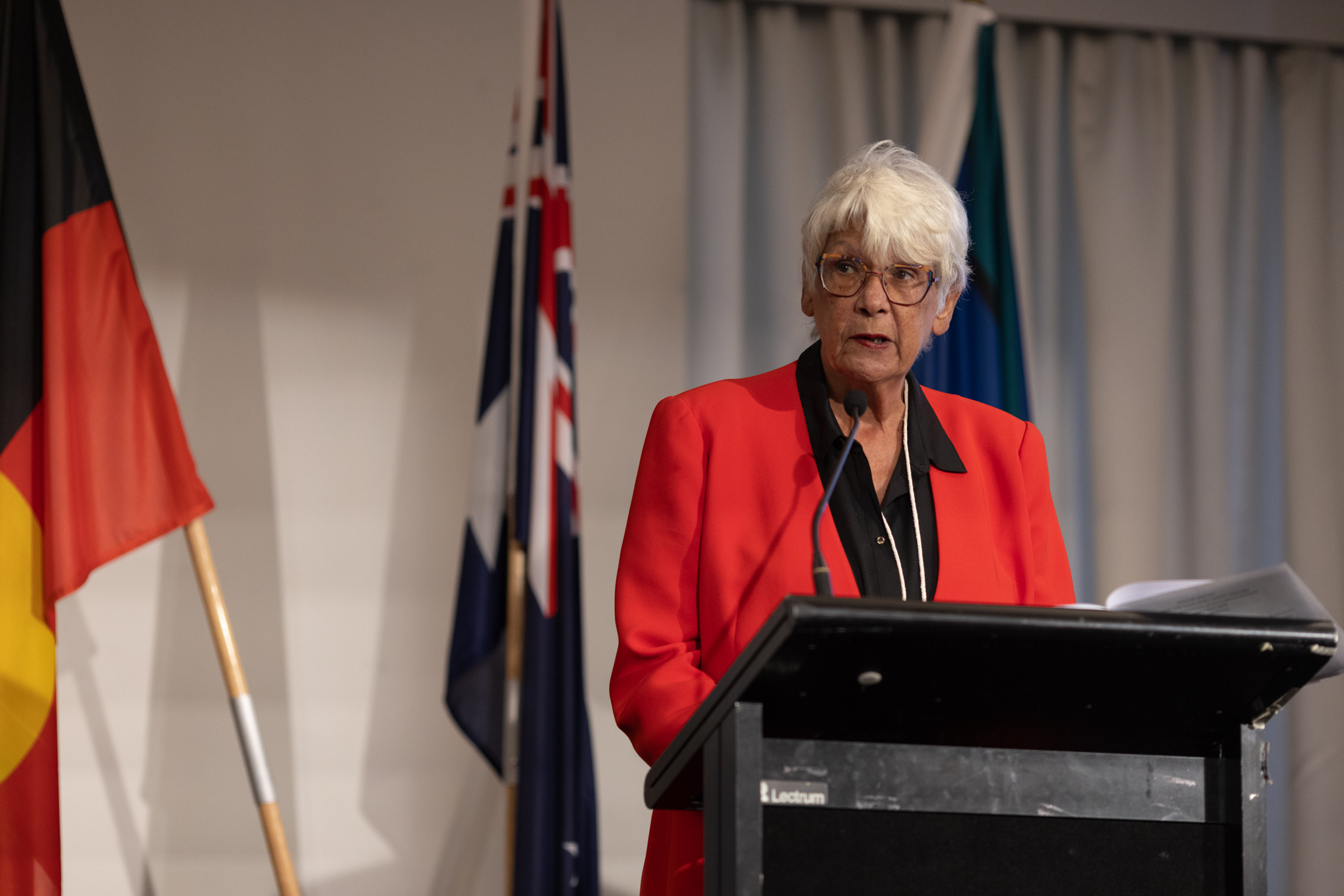
The Assembly brought together key First Nations representatives from across the country to provide real-time feedback on where the Agreement is failing, working and where urgent improvements can be made.
The Productivity Commission has already performed an "in-depth" and "valuable" review of the National "Agreement, Professor Coombes said, which focussed on policy, process, numbers, and statistics, which they had "taken into account".
"This particular review," he argued, "is how the National Agreement is impacting our people on the ground [and] out in communities."
"It's really important to get their stories and how they're seeing things from where they are."
Along with using the Assembly as an "important information gathering point," there will be six site visits across the country, including the Kimberley, Tamworth, and Maningrida before they are required to report to the Joint Council in May.
Five years after all states and territories signed the agreement, the latest Closing the Gap data painted a troubling picture, with only four of the 19 targets on track. Whilst there was progress in some key areas across states and territories, suicide rates, child removal and early childhood development have all worsened since the baseline year of 2018/19; adult incarceration has increased 15 per cent in just one year.
More troubling, several jurisdictions have implemented policies that directly violate the agreement, which will only see more Indigenous people entrenched in the child protection and the youth and adult justice systems.
It has led to conversations around whether the states are serious about implementing real reforms or if there is only an inherent political interest, often resulting in populist policies that negatively impact First Peoples.
Professor Coombes said politicians and groups from across the political landscape committed to the Agreement, noting it is something "we want to make work as well as we possibly can".
He added it was a "constant and evolving process" when asked if there was a fear any recommendations from the Agreement review would not be implemented by states across the country, but argued the fact they had "gotten agreements" from all jurisdictions was a "pretty significant thing".
All Mob are encouraged to get involved and make a submission on the Coalition of Peaks website before April 16. The survey will take about ten minutes and will allow everyone to speak about issues directly impacting them and their community.
The survey can be found online.



