


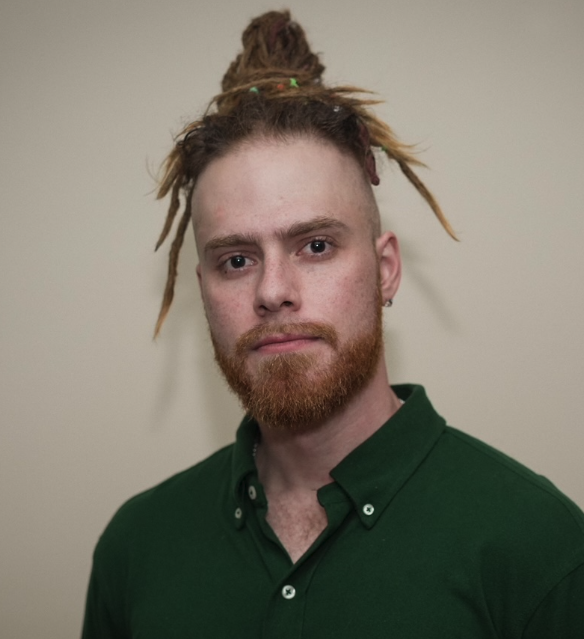

Indigenous female rappers are seizing control of the Australian hip-hop scene, asserting their influence and reshaping the industry landscape through their empowering words.
Artists such as Dizzy Doolan, DENNI, Miss Kaninna, Lady Lash, Dancing Water and Barkaa all tell powerful stories in their music, reflecting on their unique positions as Indigenous women through a hip-hop lens.
Twenty-two years ago, Takalak/Agwamin and Gureng Gureng/Wakka Wakka woman, Charmaine Jasmine Armstrong, also known as Dizzy Doolan, entered Australia's rap scene as one of the few women known in Australian Hip-Hop.
With no guidance on song composition, self-promotion, grant applications or music uploads, Dizzy Doolan navigated the challenges that come with being an artist on her own.
During this time in the early 2000's, the Australian Hip-Hop scene was dominated by male groups such as Hilltop Hoods, The Herd and 1200 Techniques.
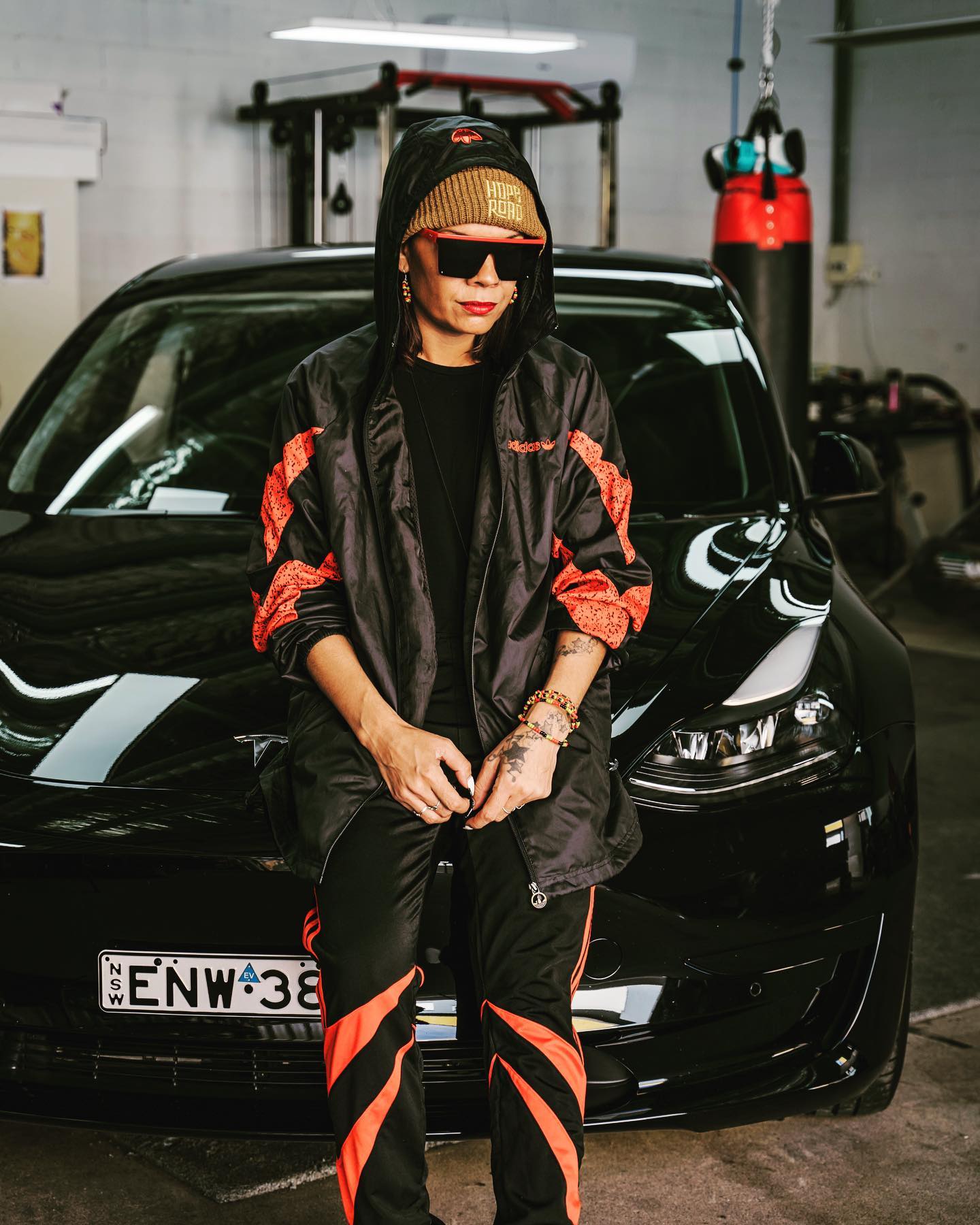
"There was no other female rappers that I knew of really doing their thing," Dizzy told the Guardian.
"There was no one to look up to, apart from your American groups."
Developing alongside the evolving rap preferences of mainstream Australia, Dizzy's journey began to flourish.
Transitioning from small performances in Brisbane, she advanced to sharing stages with global icons like Fatman Scoop, T-Pain, and Akon.
At 38, Dizzy has recently unveiled her debut full-length album, Dizzyland.
"I wasn't valued as much as a male would be in the industry," she said.
"But then, you use that, you take that and you use that as power, and prove them wrong.
"Nowadays there's a big movement of more female artists in the scene, which I'm so excited to see."
At 16, Dizzy launched her first track, No Shame – a powerful message encouraging resilience against inhibiting emotions.
"When I discovered songwriting and rap, I was like, 'Oh, I can put on my pain and struggle and make it sound cool.' Turning your pain to power," she said.
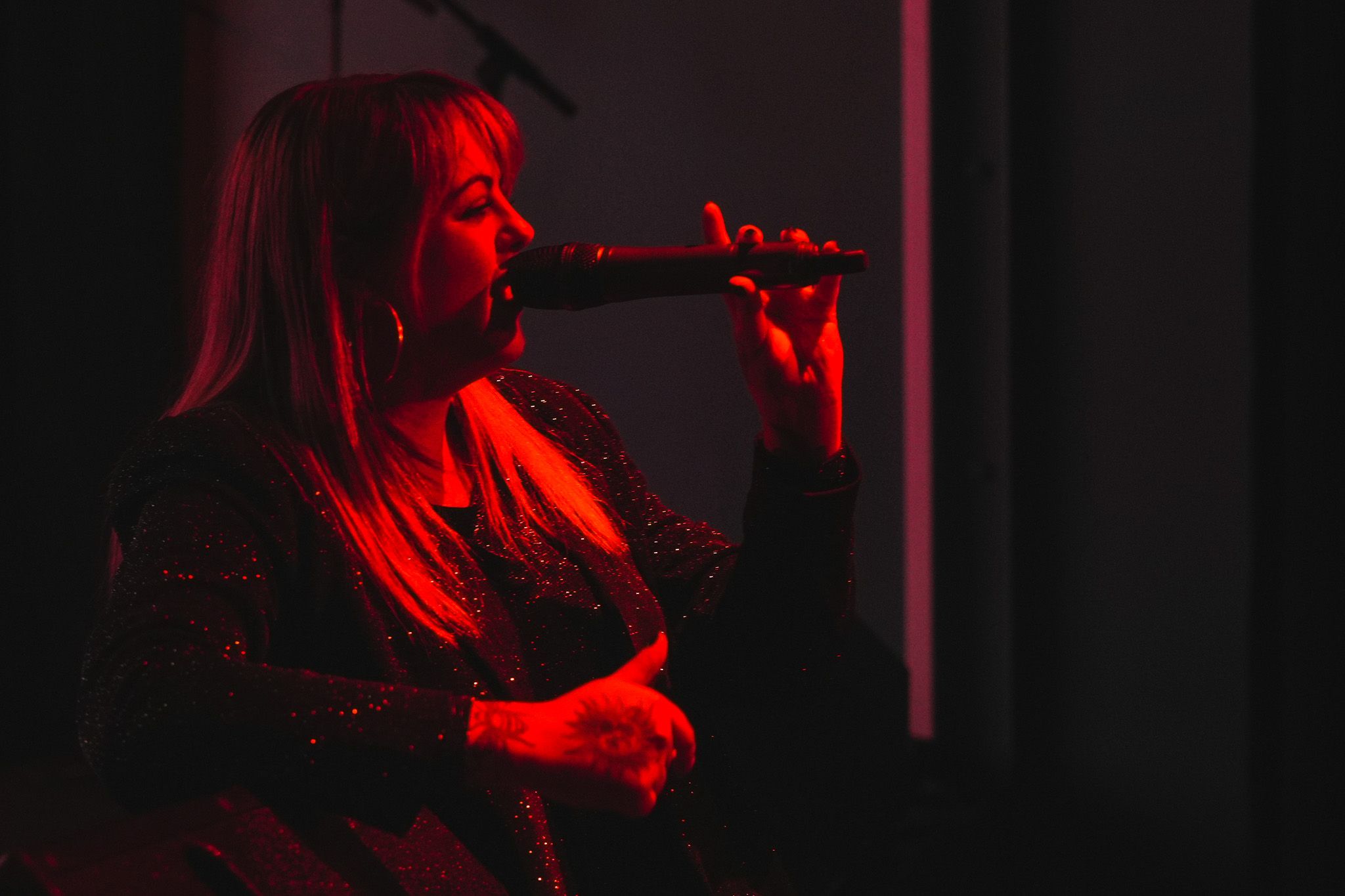
Launceston-based Aboriginal artist Denni Proctor, also known as DENNI/Madam pakana, found herself immersed in hip-hop music unexpectedly.
Descendant of the Indigenous warrior Mannalargenna, DENNI often talks about Tasmania's colonial history.
"Hip-hop has its own culture," she said.
"It's very word-driven, it's people out the front saying it how it is. Music is the last peaceful protest we have."
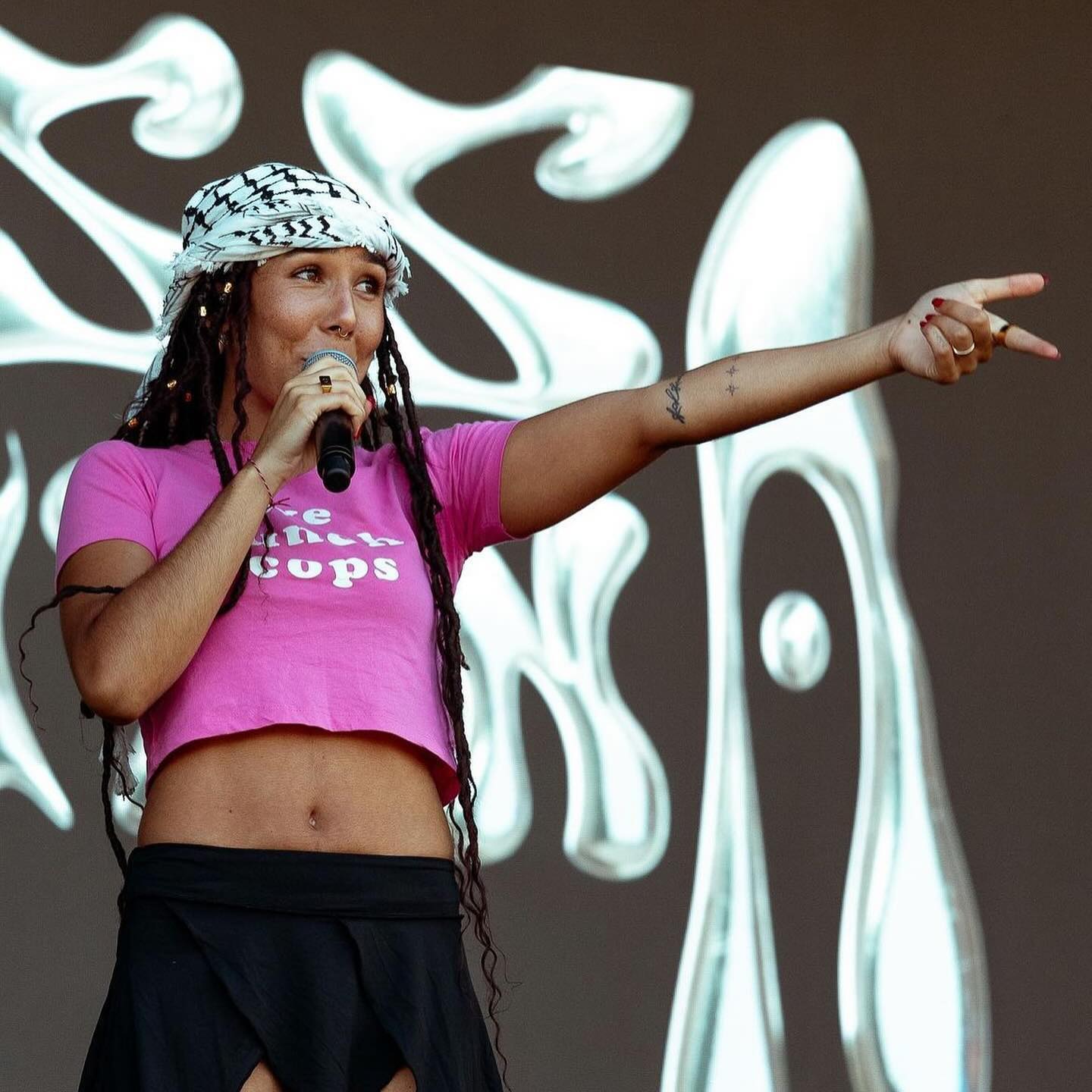
Numerous female hip-hop artists, including Miss Kaninna of Yorta Yorta, Djadja Wurrung, Kalkadoon and Yirendali heritage, have encountered success marred by racism.
Claiming the title of the 2023 Unearthed Artist of the Year, Miss Kaninna earned recognition for her single Blak Britney, swiftly ascending to number one on Triple J within a fortnight of its debut.
"I've had so many positive things birthed out of releasing Blak Britney, but I've also experienced more racism in the past eight months than I ever have in almost my entire life," she said.
Despite the wearisome backlash, Miss Kaninna draws inspiration from it, fuelling her to create more music.
"Indigenous people have found a way to weaponise their voice that can reach farther," she says.



