




The Australian Defence Force has introduced dual names for RAAF Base Wagga and Blamey Barracks—Kapooka—on Wiradjuri Country, acknowledging the cultural significance of the land and the contributions of First Nations communities to Australia's defence.
RAAF Base Wagga is now also recognised as 'Yalbiligi Ngurang' (pronounced Yal-bili-gi Ner-rung), while Blamey Barracks has been given its Wiradjuri name, 'Gabuga' (pronounced Gah-buh-gah).
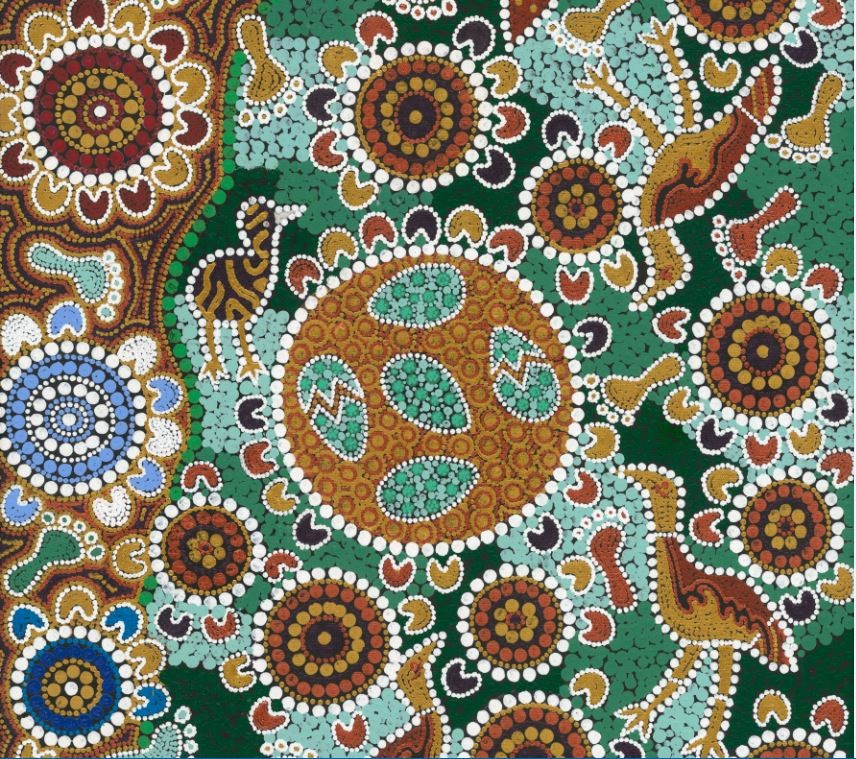
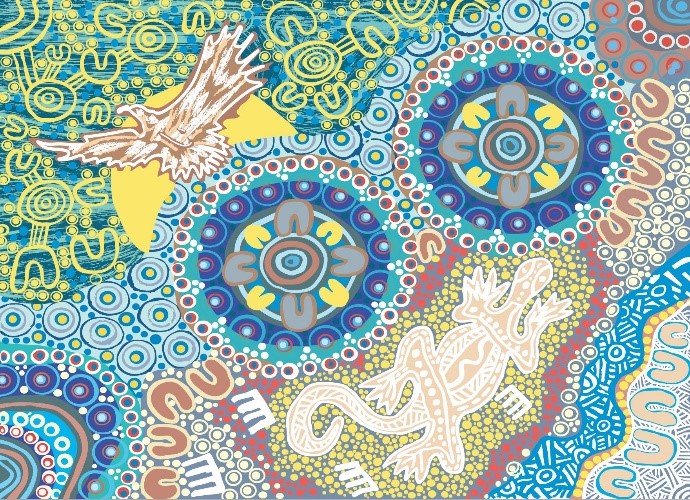
The dual naming was formalised during a ceremony unveiling updated signage, which now features both names alongside representative artwork by local artists.
This initiative reflects Defence's commitment to preserving endangered First Nations languages, with 90 per cent of Indigenous languages in Australia at risk of being lost.
By incorporating Wiradjuri names, Defence aims to strengthen ties with local communities and acknowledge the traditional custodians of the land.
Dr (Uncle) Stan Grant AM, Wiradjuri Elder and language restoration expert, praised the initiative.
"This is a wonderful step by the Australian Defence Force. I'm pleased to support Kapooka in recognising its traditional name, Gabuga," he said.
Aunty Cheryl Penrith, a Wiradjuri Elder, welcomed the move as a meaningful gesture of respect.
"To see Defence embracing dual naming in the Wiradjuri language at RAAF Wagga is fantastic," she said.
"For our community, this is a warm and welcoming symbol of mutual respect and common ground."
Uncle Hewitt Whyman, First Nations Elder for Blamey Barracks, highlighted the growing relationship between the Army and Wiradjuri people.
"The dual naming enhances the cultural relationship by including Wiradjuri language on a well-known military establishment and recognising the land's traditional significance," he said.
Defence's Indigenous Champion and Deputy Secretary Security and Estate, Celia Perkins, said the dual naming establishes a tangible connection to local languages and cultures.
"It provides an official record of First Nations place names, preserving languages and recognising the longstanding relationships between Defence and First Nations communities," Ms Perkins said.
The Wiradjuri Traditional Owners worked closely with Defence to identify the names, their meanings, and associated cultural stories.
The inclusion of First Nations language in official Defence signage symbolises respect and partnership, reinforcing the cultural and historical importance of Wiradjuri Country within Defence's operations.



