




The joint management of Uluṟu-Kata Tjuṯa National Park has been significantly strengthened, with Aṉangu Traditional Owners set to receive a larger share of park revenue under newly agreed leasing arrangements with the Commonwealth.
Announced on Thursday, the updated lease is the first variation to the park's head lease since the early 1990s. It doubles Aṉangu's share of park revenue from 25 per cent to 50 per cent, a change designed to reflect increased visitor activity and contemporary market values.
The agreement also embeds stronger joint management principles, elevating Tjukurpa (Aṉangu law), increasing Aṉangu decision-making authority, protecting sacred sites and songlines, expanding employment pathways, mandating cultural awareness training for staff, and recognising Indigenous Cultural and Intellectual Property.
Central Land Council chief executive Les Turner said the updated deal —only the second time it has been varied since 1985 — will deliver "stronger protection for sacred sites and songlines, tougher consequences for damage and more robust joint management principles informed by Tjukurpa".
"That may mean accepting guidance from Anangu about where and when to undertake traditional burning or when to close the park for cultural reasons," he said.
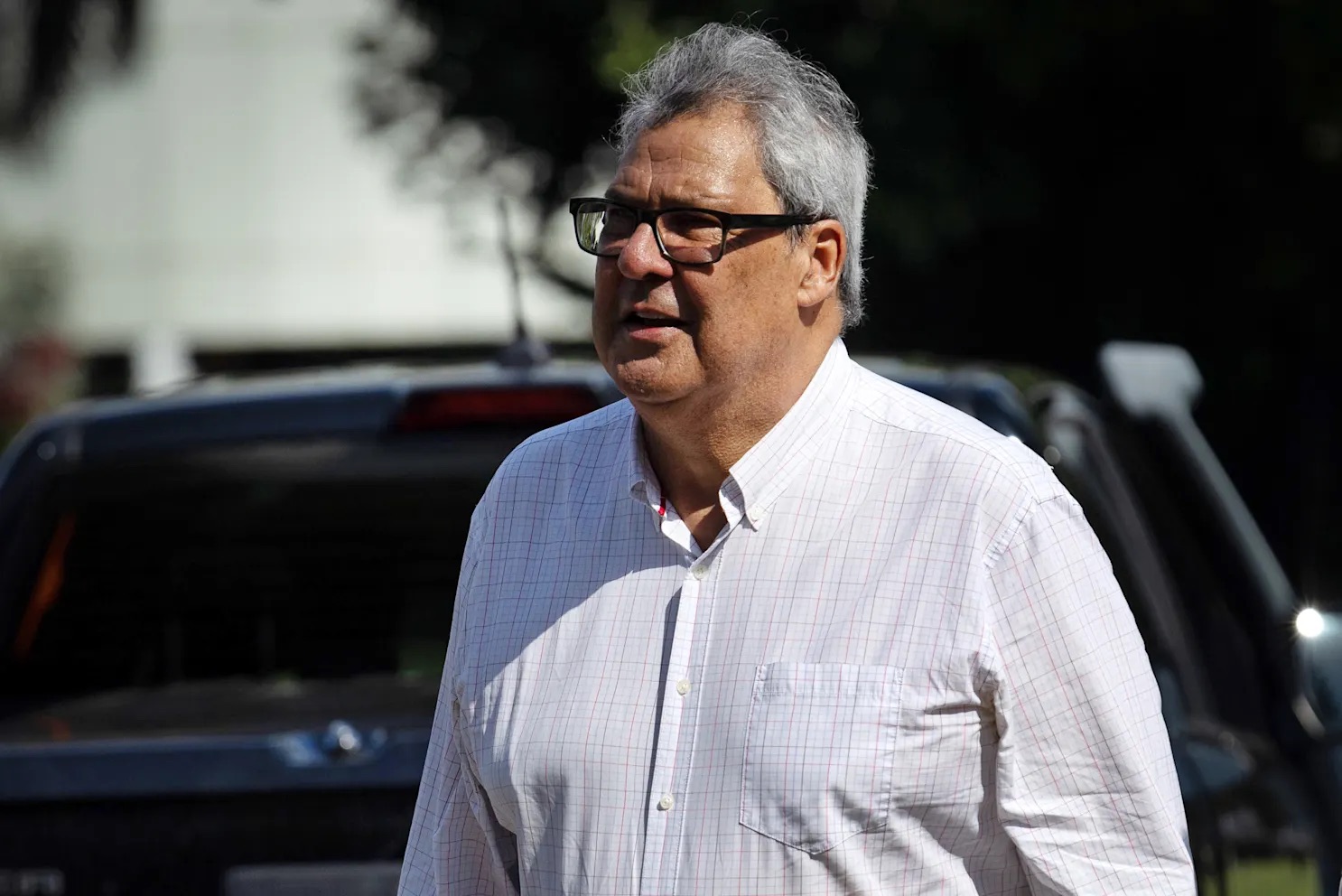
Environment Minister Murray Watt said the revised provisions marked a significant step forward for one of Australia's most important cultural and natural sites.
"The updated lease demonstrates a commitment to working in partnership with Aṉangu and reflects what Aṉangu have been asking for - stronger cultural protections, greater involvement in decision making, and more opportunities for employment and enterprise at the park," Mr Watt said.
"These changes ensure the park continues to be managed in a way that respects Tjukurpa and the cultural authority of the Traditional Owners."
Both Mr Watt and Minister for Indigenous Australians Malarndirri McCarthy said the changes were the result of years of work involving the Director of National Parks, Ricky Archer, the Uluṟu-Kata Tjuṯa Aboriginal Land Trust and the CLC.
"They strengthen joint management of Uluṟu-Kata Tjuṯa National Park, improve protections of sacred sites and ensure Aṉangu Traditional Owners have a greater say in decision making," Senator McCarthy said. "Importantly, they also deliver increased economic benefits to Aṉangu and their communities, including expanded employment opportunities."
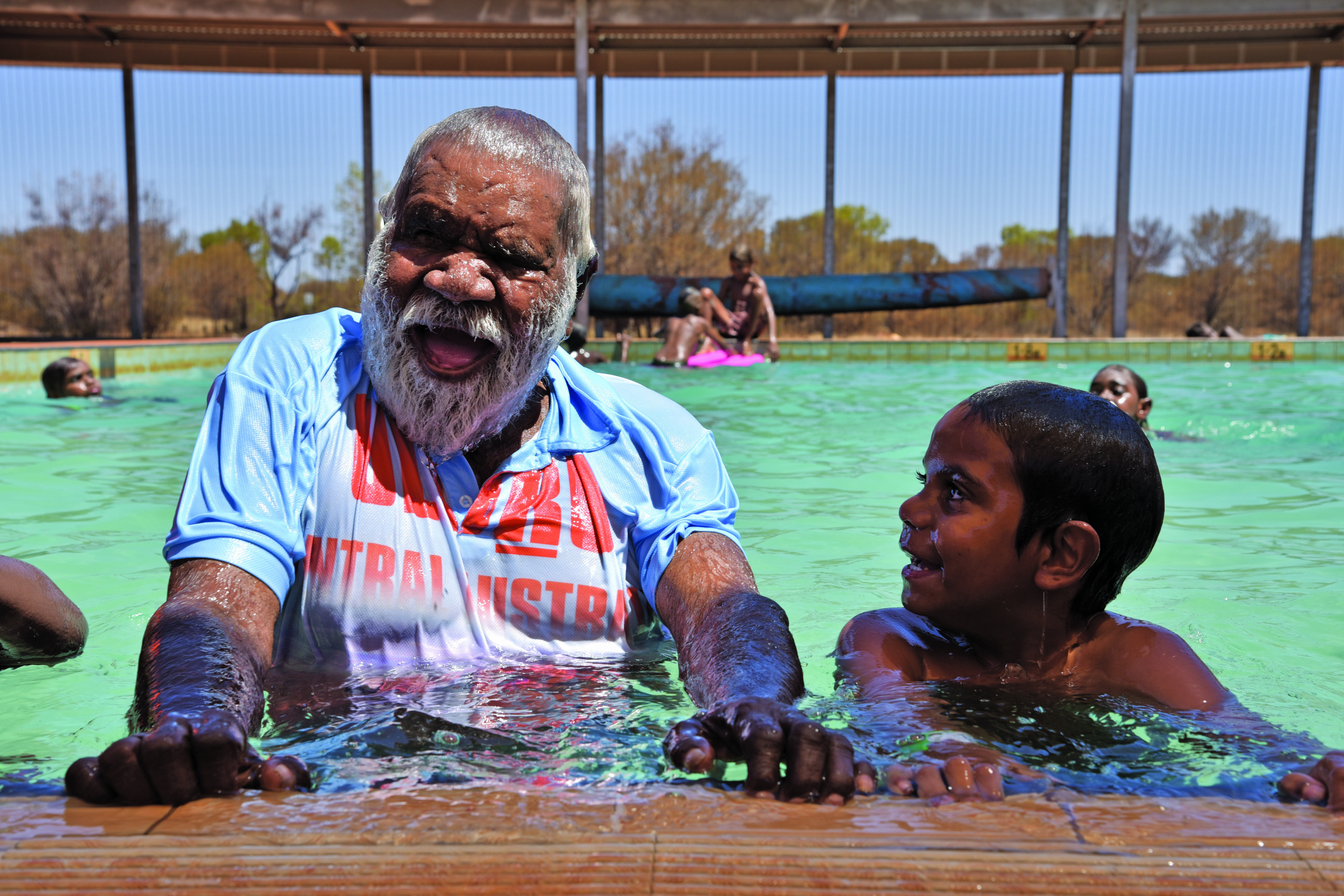
Since 2006, Traditional Owners have invested almost $21 million into 102 community projects, including education initiatives, recreational facilities, homeland infrastructure and cultural programs. Among them are the Mutitjulu pool — patrolled by Aṉangu lifeguards — support for secondary boarding school students from the cross-border region, and men's cultural events in remote communities.
The additional funds expected under the new lease have also been welcomed by community leaders. CLC delegate and Uluṟu community development working group member Kathleen Luckey said the investment would continue to strengthen communities.
"We've been spending our money wisely for many years and want to keep using it to make our communities stronger," she said. "For example, we'd like to put a roof over the basketball court in Imanpa so we can play, meet and celebrate there even when it's hot."
Uluṟu working group and park board of management member Alison Carroll said the benefits were already being felt.
"Palya. The projects are helping us," she said.
"We want more of them to happen now. We have been speaking up strongly for our young people and we need them to become leaders like us and get jobs."
Local MP Marion Scrymgour said Aṉangu Traditional Owners had cared for the dual UNESCO World Heritage-listed landscape since time immemorial.
"The park is a world-class tourist attraction but also plays a huge role in traditional law and culture," she said.
"The revenue from park entries goes towards building up communities right across the south-west of Central Australia, and I welcome this new agreement, which will see more investment driven by Traditional Owners."
.jpg)
The park was returned to Aṉangu Traditional Owners in 1985, two years after then-prime minister Bob Hawke announced his government would amend the Aboriginal Land Rights Act to restore title to its rightful custodians. Following the handback, the Aṉangu signed a 99-year lease with the Commonwealth through the Director of National Parks to jointly manage the site.
Speaking on the 40th anniversary of the occasion last year, Aṉangu chair of the Uluṟu-Kata Tjuṯa Board of Management, Tapaya Edwards, reflected on the enduring significance of that moment.
"Uluṟu and Kata Tjuta are very important to Aṉangu. We have always lived here, and having the land returned to us 40 years ago was an important moment for us," Mr Edwards said.
"There is still much work to be done, and we look forward to seeing our young people carry this flame forward, as they learn Aṉangu traditional knowledge and Western knowledge to care for Country and keep Tjukurpa strong."
Speaking at Uluṟu last October, Prime Minister Anthony Albanese said that in 1985, after decades of exclusion, "the Aṉangu's rightful relationship with this place was finally recognised".
"And the Aṉangu responded by choosing to share it with all of us."



