




The Queensland Government's decision to abolish the state's truth-telling inquiry is a major step backwards for First Nations rights, the First Nations Human Rights Commissioner has said.
The announcement, which new Premier David Crisafulli said on Thursday would be done with respect and decency, was made without informing the Inquiry's chairperson Joshua Creamer, subsequently receiving wide criticism.
The newly elected Premier told reporters his new government doesn't believe truth-telling will be something "that unites the community".
In a statement on Friday, Aboriginal and Torres Strait Islander Social Justice Commissioner, Katie Kiss, said the decision to cancel the Inquiry denies "our First Nations People a chance to share their stories to help accurately convey our state's history".
The Kaanju and Biri/Widi woman, who grew up on Darumbal Country and was previously the Executive Director of the Interim Truth and Treaty Body supporting Queensland's Path to Treaty, called the decision "extremely disrespectful and harmful".
"Now more than ever, we need policies that promote reconciliation and unity – not division and discord. First Nations Queenslanders deserve and need to have their rights upheld and their stories heard," she said.
Commissioner Kiss said it was "disrespectful to communities, but also to the many people who put in years of work to make this Inquiry happen".
"This includes the contributions of everyday Queenslanders – Indigenous and non-Indigenous – who provided invaluable input to support truth, justice and healing," she said.
"The inaugural truth-telling hearings of the Commission that occurred in September showed the enormous contribution that this process can make to public understanding of the treatment of Aboriginal and Torres Strait Islander peoples in Queensland, building a basis for dialogue, understanding and compassion.
"These hearings showed the immense benefits truth-telling has for everyone."
The Inquiry held its first hearings in September with the goal of setting up groundwork for eventual Treaty negotiations.
On the last day of the hearings, seven heads of Queensland government departments, including Police Commissioner Gollschewski, admitted they had "failed" Aboriginal people "for 160 years"—in some cases, going so far as to deliberately kill them.
At the time, Mr Creamer said: "If I could sum up what I've heard this morning it's generally from representative government that 'we failed you for 160 years in various forms.'"
"And really this might be the first opportunity, then, to create a level of accountability," Mr Creamer said.
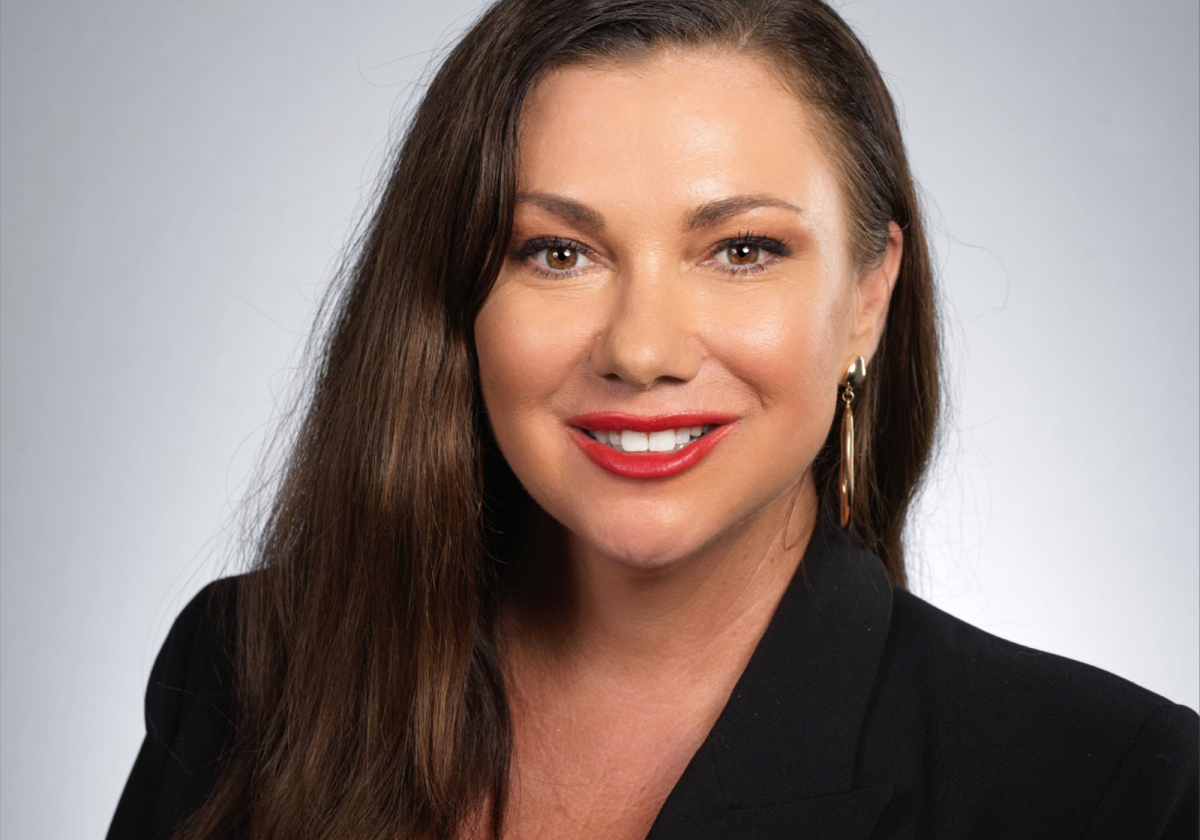
Queensland Family and Child Commission commissioner Natalie Lewis. (Image: QFCC)
Premier Crisafulli said on Thursday he didn't want to make it a "divisive issue", with Queensland's Commissioner for Aboriginal and Torres Strait Islander Children, Natalie Lewis, asking what was divisive about truth-telling.
"There is nothing divisive in the language or intent of the Truth-telling and Healing Inquiry; in fact, the terms of reference clearly articulate a process to bring all Queenslanders together through truth to facilitate healing," she said.
"We can't build respectful relationships with First Nations communities without honouring their histories. We can't build a shared understanding of our histories and a collective vision for our future in the absence of truth. And we can't heal the hurt of a divided state without actively supporting its people to heal."
She added her position required a "steadfast commitment" to First Nations children and young people, as well as their families.
"I will not abandon truth-telling in my work to promote and protect their rights or in holding systems and services to account," Commissioner Lewis said.
"Ultimately, truth-telling supports the emotional and psychological wellbeing and safety of First Nations children and young people, helping them to thrive and to be seen, heard and valued in a state with a long history of past wrongs."
Commissioner Kiss said she had written to the Premier, urging him to reconsider his position.
"With the absence now of a First Nations member in the new Queensland Government, it is of great importance to include First Nations People in decisions that affect them," she said.
"That means meeting with us, talking with us and hearing and incorporating our views into decisions that will impact us all."



