



Aboriginal and Torres Strait Islander readers are advised that this publication contains images of people who have passed away.
As Jean Hailes Women's Health Week (1–5 September 2025) turns national attention to the health and wellbeing of women, girls and gender-diverse people, one woman's story captures the strength, resilience and care at the heart of this year's theme, "Say yes to you".
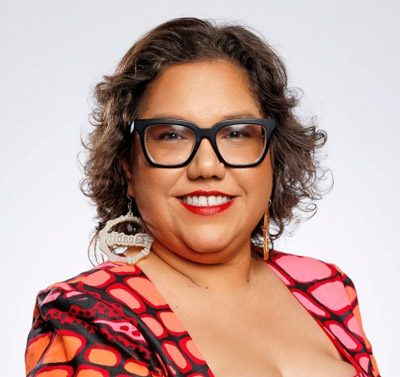
Tanja Hirvonen, a proud Jaru and Bunuba woman, is one of Australia's most respected Indigenous psychologists. Her career spans more than 15 years, working in social and emotional wellbeing, suicide prevention and postvention across urban, rural and remote communities.
Today she serves on the boards of the Australian Indigenous Psychologists Association (AIPA) and the Black Dog Institute, guiding national conversations about culturally safe mental health care.
Ms Hirvonen's commitment to this work is deeply personal.
"I've been blessed to always be surrounded by staunch, strong women — my mother, aunties, grandmothers — who carried so much, not just for our families but for entire communities. I grew up watching them lead with love, strength, and care, even when at times they didn't have much themselves."
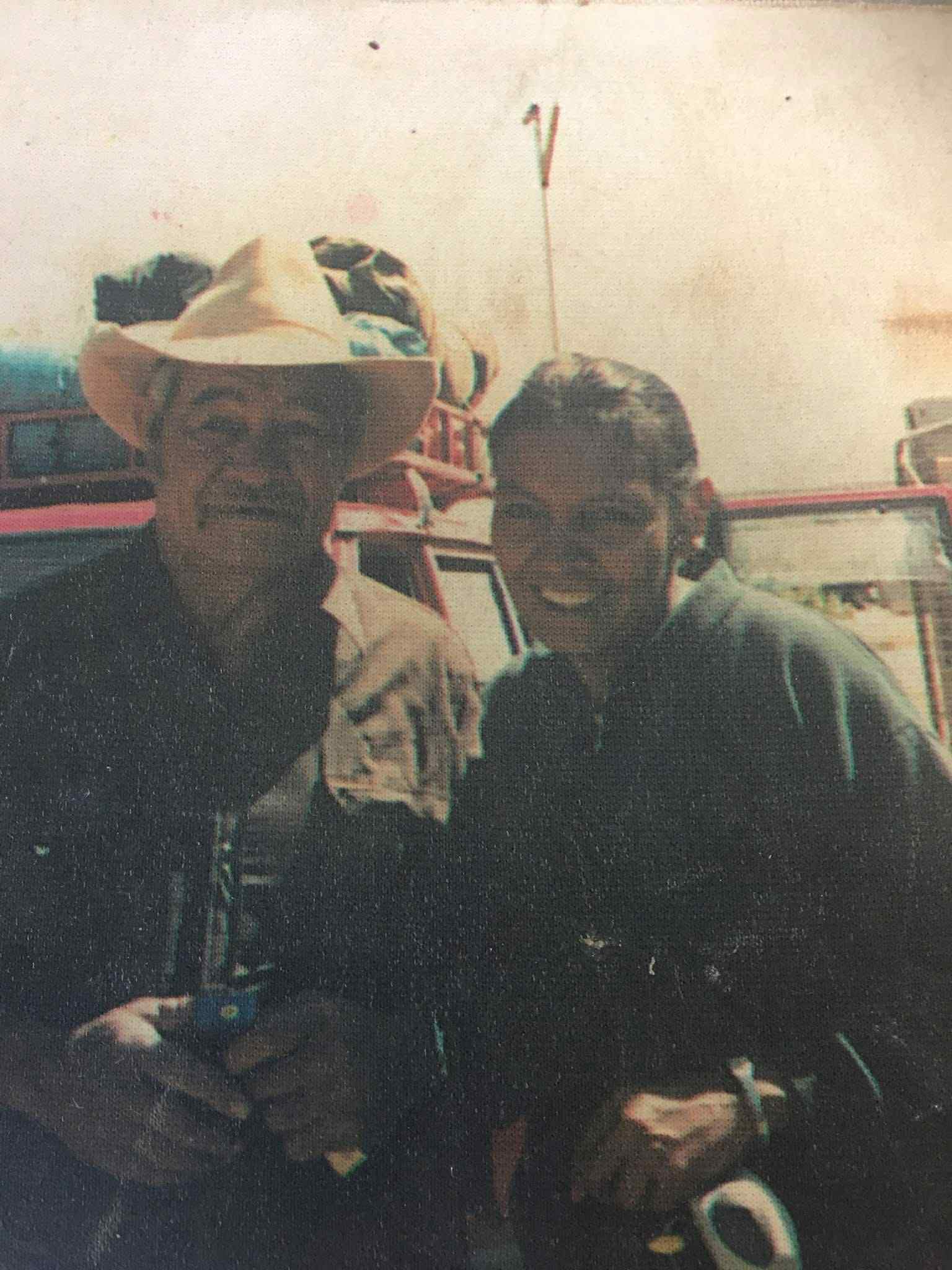
Her mother, who passed away when Ms Hirvonen was 21, instilled in her the importance of generosity and compassion.
"She taught me to give to others when you can and with what you can give. I grew up with a desire to give back to others, going through difficult times, and working in SEWB was a natural fit," she said.
That early experience continues to shape her outlook, particularly when it comes to the role women play in health.
"For women particularly, even in the face of deep loss, they had to keep going. Children still needed to get to school, holding things together to keep life going. This strength is not always noticed or recognised, it is just part of who our families are."
As Women's Health Week encourages women to prioritise their wellbeing, Ms Hirvonen reminds us that Aboriginal and Torres Strait Islander women have long been at the center of community care; as mothers, aunties, carers, health workers and leaders. Too often, their strength has been assumed rather than supported.
Her cultural identity also guides her approach to psychology.
"Being a First Nations person from this country informs every part of how I practice; as a psychologist, as a member of the community, and as someone walking alongside others on their healing journey," she said.
She describes Aboriginal and Torres Strait Islander ways of healing as collective and relational.
"Healing doesn't just happen in therapy rooms, it happens through being with others, sharing stories, nurturing connections, through art and ceremony."
It is a perspective that fits perfectly with this year's Women's Health Week daily themes — spanning mental health, movement, nutrition, heart health and connection — all areas where women so often put others first.
Despite systemic challenges like racism, grief and under-resourced services, Ms Hirvonen draws strength from the people she serves.
"I continue to be inspired by young people, Elders, and the resilience of the community, even in the face of so much adversity."
She also honours those who came before her.
"We don't do this work alone and can't pretend that we are doing this on our own, this is a collective effort."
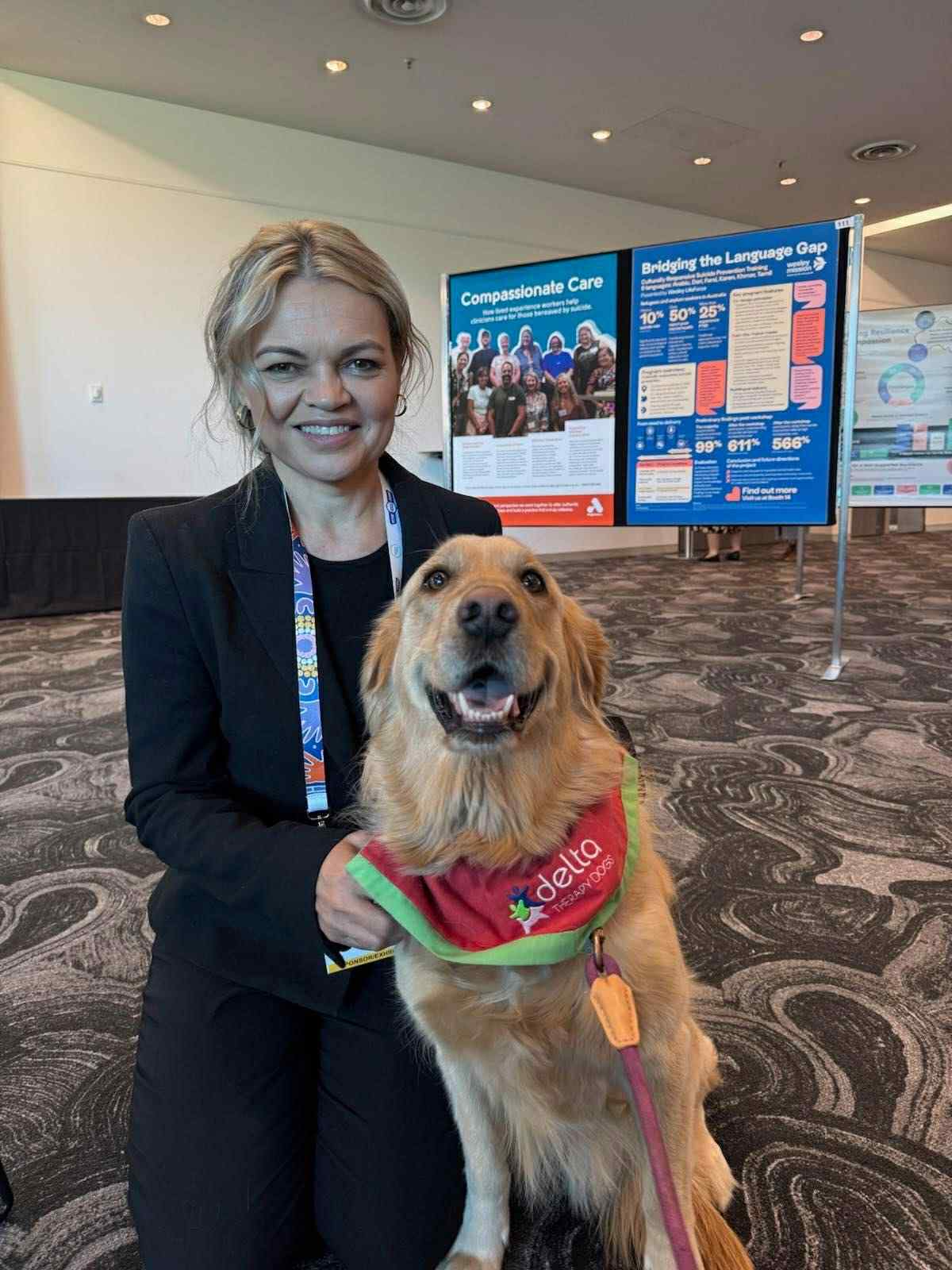
For her, blending cultural and clinical knowledge is vital.
"Both knowledge systems can be helpful and necessary. It's about bringing the best of both knowledge systems together to meet the person or community where they are at," she said.
When asked about legacy, Ms Hirvonen is humble.
"I'm not focused on leaving a legacy; instead, I'm focused on leaving a message. That message is simple: every warm interaction matters," she said.
She has seen how small gestures — a kind word from a teacher, a coach's encouragement, a receptionist answering the phone with care — can have lasting impacts.
"They might feel like small things, but sometimes in someone's life, they can be big things. This is the message I would like to leave behind."
As Women's Health Week calls on women to say yes to themselves, Tanja Hirvonen's story offers a powerful reminder: women's health is not just personal, it is collective. When women are supported, communities are stronger. And when we recognise the unseen labour and resilience of women, we take an important step toward a healthier future for all.



