


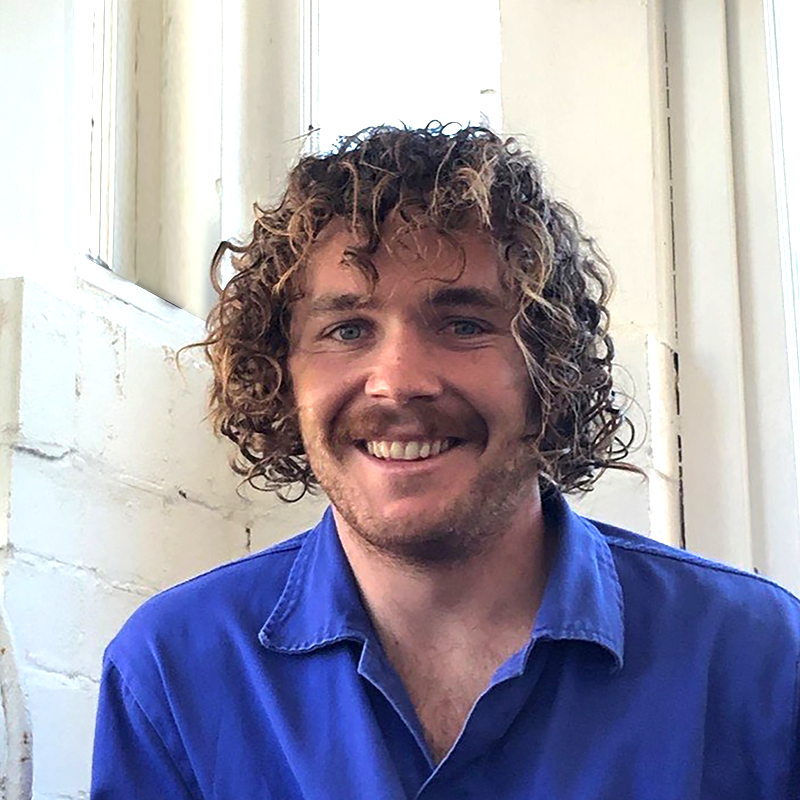

Following Anthony Albanese's referendum date confirmation, former shadow attorney general and former shadow Minister for Indigenous Australians Julian Leeser says he hopes October 14 is a "unifying moment" in the country's history.
This week the Prime Minister announced Australians will cast their vote on the second Saturday in October.
South Australia presents as a must-win state for a successful referendum and a current outlier amongst the nation in recent polls with a slim preference for the Voice.
It signals the start of ramped-up campaigns from both the 'yes' and 'no' camps, with members of parliament leading sections of discussions set to play out over the following six weeks.
The federal Liberal Member for Berowra, Mr Leeser resigned from the Opposition front bench in April citing his support for the Voice to Parliament in the days following the party announcing their stance against the proposal.
He had previously co-chaired a committee on constitutional recognition for Aboriginal and Torres Strait Islander people.
"It (The referendum) will be a serious moment in our country's history – and I hope a unifying moment as well," Mr Leeser said after the PM's announcement on Tuesday.
"I am genuinely optimistic about the campaign ahead. I believe Australians will vote for a better future."
Mr Lesser cited, and said he agreed with former Chief Justice Robert French in saying: "The Voice is a big idea but not a complicated one. It is low risk for a high return."
He said the risk of no change means a continuation of disadvantage for First Nations communities, listing health, employment, standards of living and children and womens safety as areas contributed to by "same-old same-old" policies.
"On Saturday 14 October, we can change this – by recognising Indigenous people in the Constitution, and by creating a body that will provide advice and help deliver better outcomes for Indigenous health, education, housing and jobs," Mr Leeser said.
"I am optimistic about the campaign ahead – and am looking forward to campaigning wherever and wherever I can."
Tasmanian Liberal MP Bridget Archer has also backed the Voice as a vehicle for change.
Speaking to the Australia Institute earlier this month, Ms Archer said she 'feared' an unsuccessful referendum.
"Peter Dutton has said in the Parliament if the referendum fails, it will set the cause of reconciliation back. Yes, it will, and I think we should be very concerned about that," she said.
"On that basis I would say to try to help to make a yes vote successful and we should all be invested in seeing reconciliation advance.This is an advisory body. If it fails, there'll be an awful lot of work to be done and we will have eroded so much trust."
Mr Lesser encouraged the public to view the referendum as an opportunity independent to politics.
"At a referendum, there are no parties on the ballot paper, nor candidates, there is only an idea on the ballot paper. The idea is to recognise Aboriginal and Torres Strait Islanders in the Constitution," he said.



