


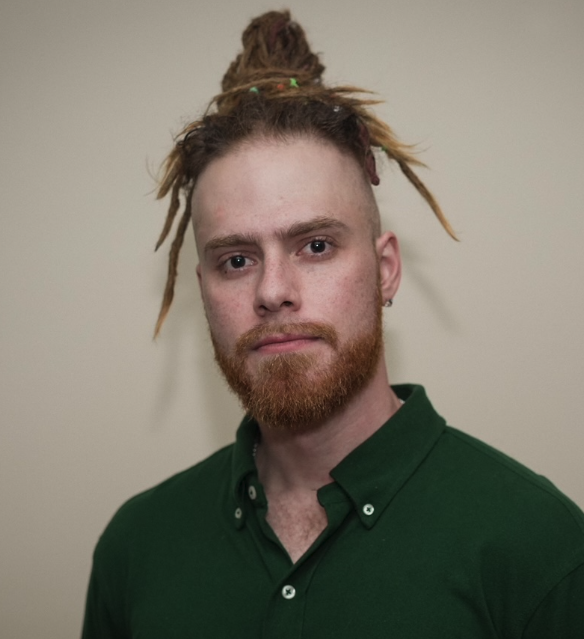

The Torres Strait Regional Authority (TSRA) marked World Ranger Day by recognising the work of 55 rangers based across 13 islands in one of the country's largest Indigenous ranger programs.
TSRA Rangers are responsible for protecting the cultural and ecological values of the Torres Strait, located at the northernmost point of the Great Barrier Reef.
The region supports rich marine life, including six of the world's seven sea turtle species and large seagrass beds, contributing to its reputation as the Dugong Capital of the World.
Working across land and sea, TSRA Rangers lead initiatives such as turtle monitoring and cultural knowledge preservation alongside local communities.
Badulaig, Goemulaig, Saibailag, Mua and Erub man from Badu Island and TSRA chairperson, George Nona, said the ranger workforce operated in some of Australia's most remote and culturally rich areas.
"Our rangers reflect the strength of our people and the wisdom of our Elders," he said.
"They are land and sea custodians, knowledge holders, scientists and role models - preserving culture and biodiversity in one of the world's most beautiful locations.
"From inspiring children and working with Elders, to connecting traditional wisdom with western science, and showcasing conservation leadership in international ranger exchanges, TSRA Rangers continue to prove that local knowledge and global action go hand in hand.
"We honour TSRA Rangers not only on World Ranger Day but every day as they care for land, sea and culture."
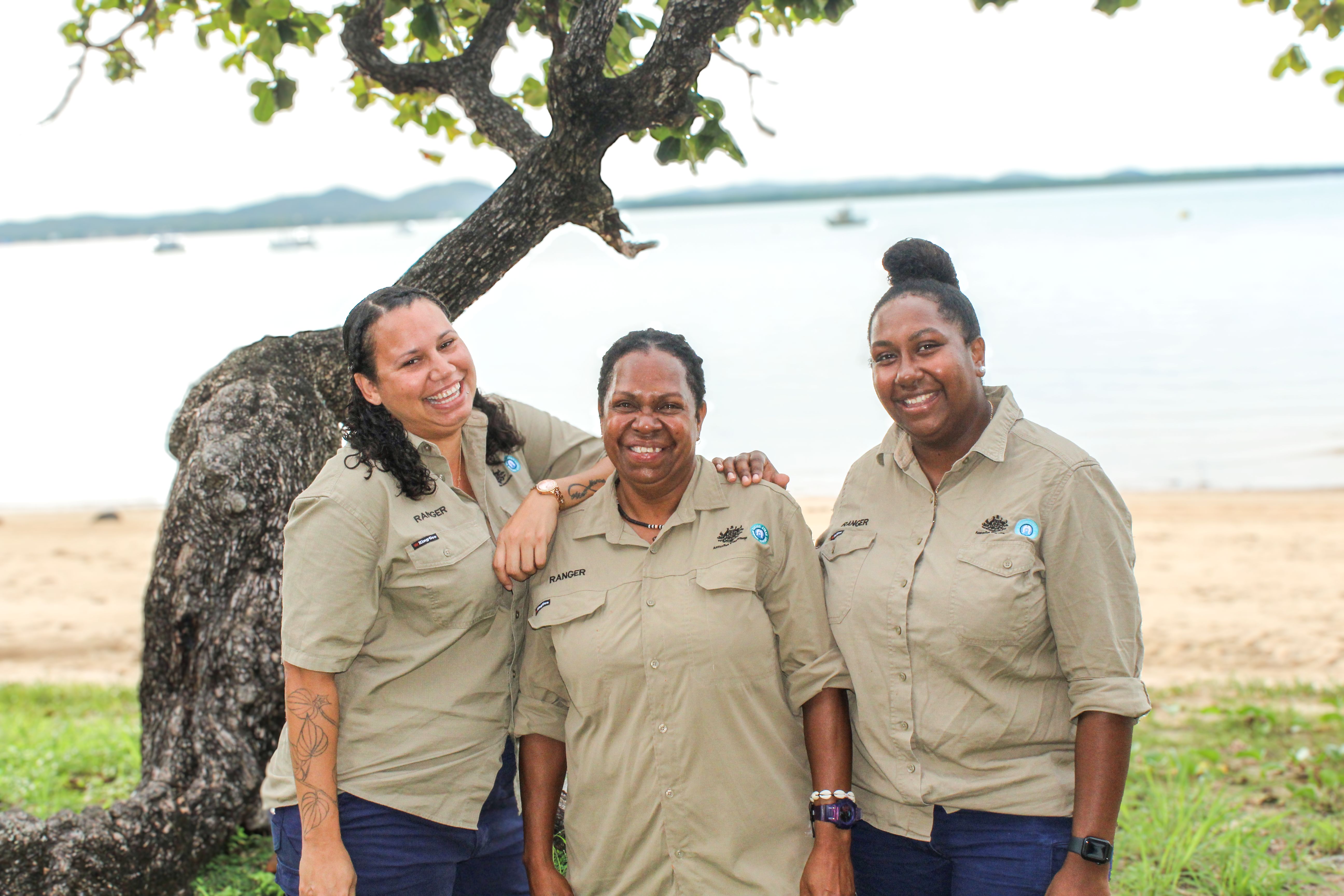
TSRA Ranger Alice Manas said the program supports cultural, environmental and community goals.
"Rangers are more than boots on ground, we help bridge a gap between traditional and scientific worlds, between governments and communities, between culture and conservation," Ms Manas said.
"We wear our ranger uniforms with pride, knowing our work makes our families and communities proud and is creating a positive legacy in the Torres Strait."
Launched in 2009 with a single ranger group on Mabuiag Island, the program now spans 14 communities.
There are 18 women working across most teams, contributing diverse knowledge and experience.
The ranger workforce also includes local technical experts in marine biology, environmental management and ecology.
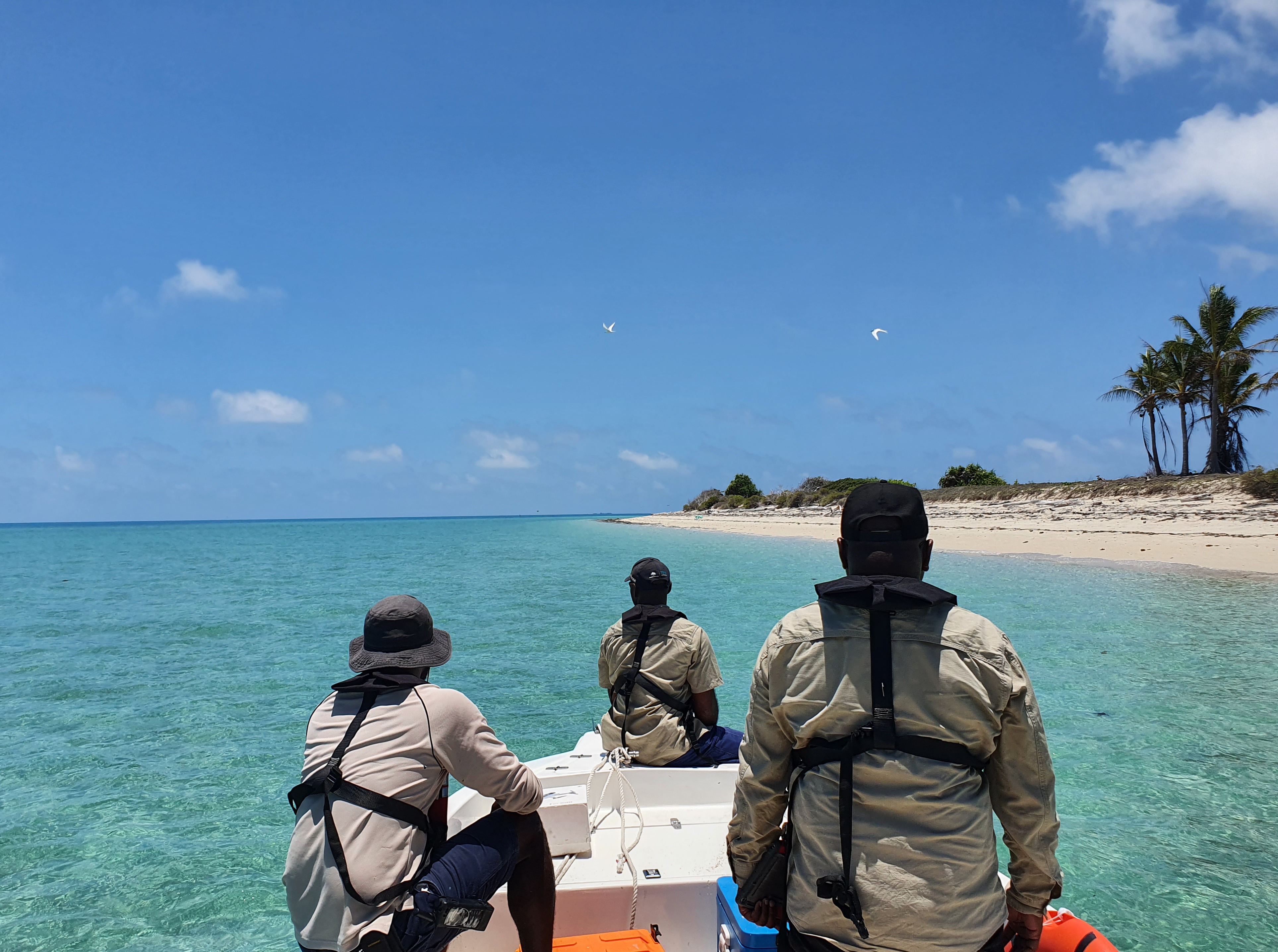
TSRA Environmental Management Program Manager Dr Billie Roberts relocated from New South Wales to join the program on Thursday Island.
"TSRA has one of the strongest ranger programs in the nation with meaningful opportunities for rangers to help their communities drive decisions and achieve local aspirations," Dr Roberts said.
"This ranger program is the only one of its kind in Australia – bolstered by an additional local team of 21 who bring culturally informed technical experience in fields including marine biology, environmental management and ecology.
"By blending deep cultural knowledge with scientific expertise, we are setting a national standing in caring for Country."
TSRA Rangers are involved in projects with local, national and international partners, including the Great Reef Census, emergency response with Maritime Safety Queensland, and collaborations with AIMS and JCU TropWATER.
They also participate in the Queensland Indigenous Women's Ranger Network and exchanges with Arnhem Land and the Solomon Islands.



