


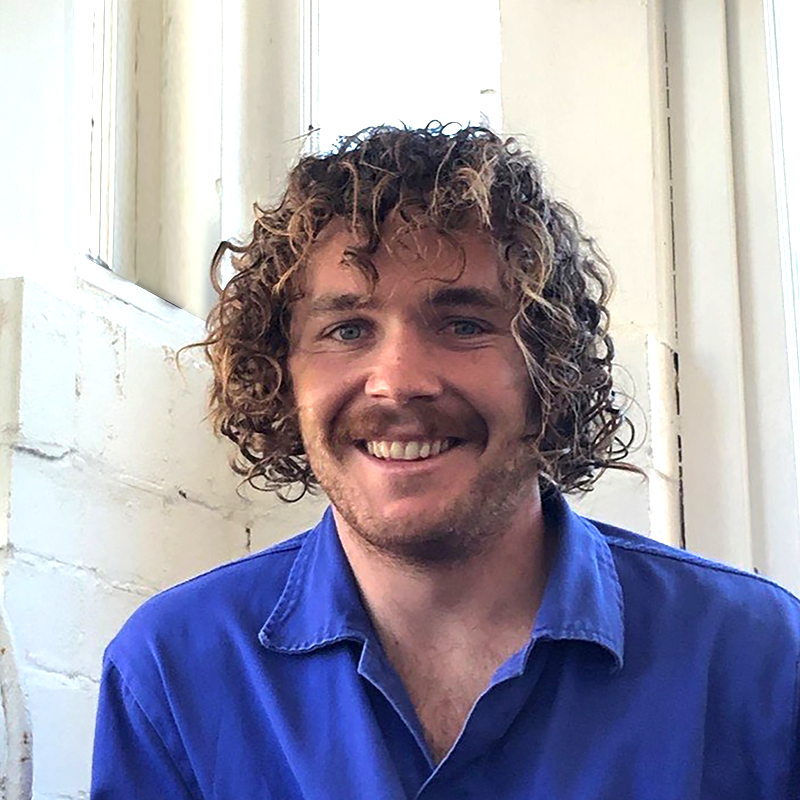

The Uluru Youth Dialogue have taken their pursuit of reform and recognition for Australia's First Peoples to the United Nations.
"It's our futures on the line, and we want a change in our lifetime," co-chair Allira Davis told National Indigenous Times.
The Youth Dialogue represents younger Indigenous people's aspirations and views under the Statement from the Heart representative authority; the Uluru Dialogue.
Ms Davis and fellow co-chair Bridget Cama led a delegation of five to the 18th Session of the Expert Mechanism on the Rights of Indigenous Peoples (EMRIP) in Geneva earlier this month.
Each member of the delegation took the floor to speak to representatives from across the globe during main presentations; concept notes, draft studies and reports.
Established in 2007 by, and with the purpose of providing advice to, the UN's Human Rights Council, EMRIP assists Member States in achieving the goals of the United Nations Declaration on the Rights of Indigenous Peoples (UNDRIP).
The Uluru Dialogue are continuing their focus on the journey towards structural reform and recognition.
Its youth delegation took the opportunity to learn about similar action taken by Indigenous peoples around the world, Ms Davis told National Indigenous Times.
Giving young people that platform is crucial, she said, "but also making sure that we make enough noise so people are hearing us, especially on an international scale, since it's very hard domestically".
Ms Davis also attended 2024's session.
"I think there's a common ground and commonality between Indigenous peoples all around the world. I think we have this commonality of systemic oppression the systems failing us as people… that was definitely an eye opener, especially last year," she said.
"There are a lot of countries that have it a lot harder than us…we still suffer as well.
"Standing in solidarity, especially with our Pacific nations, will be very valuable for us, and we just have to continue that journey."
The Youth Dialogue also hosted a side session in Geneva on the right to political participation, in respect to articles 18 and 19 of UNDRIP.
These are:
- Indigenous peoples have the right to participate in decision-making in matters which would affect 16 their rights, through representatives chosen by themselves in accordance with their own procedures, as well as to maintain and develop their own indigenous decision-making institutions.
- States shall consult and cooperate in good faith with the indigenous peoples concerned through their own representative institutions in order to obtain their free, prior and informed consent before adopting and implementing legislative or administrative measures that may affect them.
The delegates alongside Ms Davis and Ms Cama were Brydie Zorz, Sonjah Stewart, and Dwayne Coulthard.
Mr Coulthard is a signatory of the Uluru Statement from the Heart.
Ms Stewart told EMRIP "Australia has made little to no progress in improving outcomes for our First Peoples" on the "key" national policy; Closing the Gap.
A post shared by National Indigenous Times (@natindigtimes)
"Only 14 of the 19 targets are being met," Ms Davis told National Indigenous Times, categorising it as the "status quo".
"I think speaking on an international level, it's super significant for us to ensure that the Australian Government does listen to us, and we do have connections over there," she said.
She hopes with the Labor federal government's substantial election win earlier this year "we can move forward with those steps of structural reform".
"A referendum shouldn't be a once in a lifetime thing. It needs to be a consistent thing, and the Constitution is meant to change.
"Going on that journey is what we need to do, and we'll continue to do that."
Ms Davis and acknowledged Aunty Pat Anderson and Professor Megan Davis for their leadership, guidance, support and belief in the Youth Dialogue.



