




New bail laws in the Northern Territory are set to be introduced and passed on Wednesday, with parliament reconvening for an urgent session in the wake of the fatal stabbing of a shop owner last week.
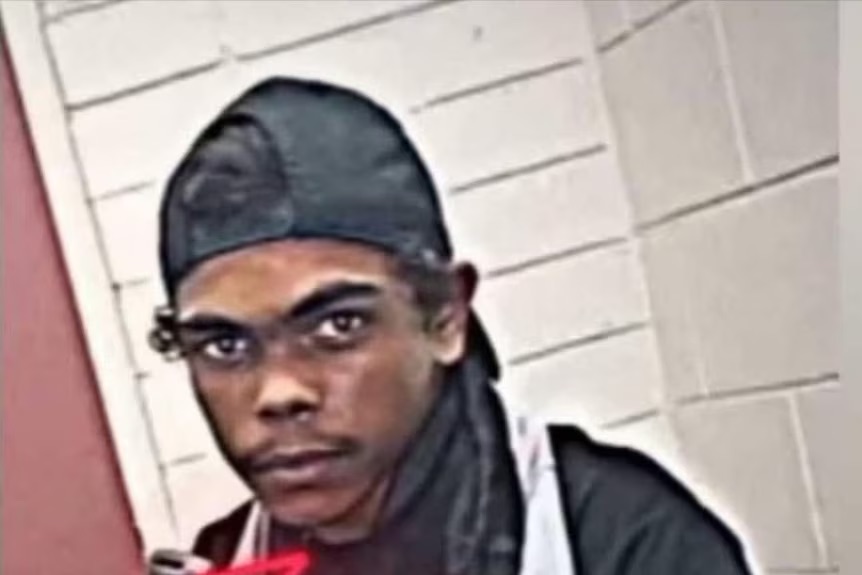
Linford Feick, 71, was allegedly murdered by Phillip Randel Maurice Parry - who was out on bail at the time - with an edged weapon at his Nightcliff grocery store last Wednesday. His death has seen widespread mourning and condemnation as well as further discussions around violent crime in the NT.
Mr Parry appeared in the Darwin Local Court on Monday, charged with murder, theft, and trespassing, with NT Police alleging Mr Feick had confronted Mr Parry about shoplifting at his store he was allegedly stabbed by the 18-year-old.

Chief Minister Lia Finocchiaro responded to the incident by saying her government will introduce the "strongest bail laws" in Australia, with the Bail and Youth Justice Legislation Amendment Bill 2025 to expand on 'Declan's law', which was passed last year.
Ms Finocchiaro said Mr Feick's death had "unified our community to demand better," announcing the new laws will put "community safety at the heart of our bail system".
"We inherited a system that places too much emphasis on the historical trauma of perpetrators rather than focusing on ongoing harm to the community," she said.
"The terrorisation of innocent people, particularly at the hands of those on bail for serious offences, needs to stop."
The laws are based on those already in place in NSW and Victoria, both of which have been heavily criticised by experts as failing to make the community safer while driving up the level of incarceration — especially amongst First Nations communities. In NSW, the laws apply to youths, but the NT will enact them for all ages, broadly in line with Victoria.
In the NT, almost 90 per cent of the prison population - more than half of which is on remand - is Indigenous.
Experts have long warned that new punitive laws in the NT – including lowering the age of criminal responsibility - won't make the community safer, instead only increasing the prison population, which has now expanded by more than 500 since the CLP came into power last year.
Overcrowding in cells has led to calls for the United Nations Special Rapporteur on the Rights of Indigenous Peoples to visit the NT.
Corrections Minister Gerard Maley brushed off those concerns, saying whilst the government recognised the new laws place a greater demand on the corrections system, "we are ready".
"If you commit a crime, we will find a prison bed for you – even in overcrowded conditions – because it is far better for offenders to be behind bars than out on the street committing crimes against Territorians," he said.
In outlining the new laws, Attorney-General Marie-Clare Boothby said the bill will "strengthen the presumption against bail and reinforces that the starting point is that there is no bail for serious offending".
"This means that for applications for bail for offences which previously only had a presumption against bail applying, there is now a further test requiring the court to have a high degree of confidence in the person in order to grant bail," she said.
"Importantly, the Bill also makes amendments to the criteria considered in bail applications for youth to remove consideration of detention as a last resort and any stigma that might attach to a youth on bail."
In removing detention as a last resort for youths, the NT will likely be breaching the United Nations Convention on the Rights of the Child, as well as recommendations from the 1991 Royal Commission into deaths in custody.
On Wednesday, independent MP Yiŋiya Mark Guyula said, while "justice must be served" for the death of Mr Feick, he argued the government had not had "enough time to properly investigate the amendments that are needed," nor had they consulted "experts and the community to understand what is truly going to create a safer community".
"Jail is just one tool in the toolbox. But if we do not address the underlying issues of crime, this method of locking people up in overcrowded cells with no genuine rehabilitation will only make our communities less safe as people become hardened criminals. This is what we are seeing now."
The Yolŋu man argued that consecutive governments had "failed to work with elders and leaders and implement community-led solutions".
"Over decades, governments have taken decision-making power and resources away from our Elders, and until they give it back, we are stuck watching this crisis unfold from the sidelines. We feel helpless and ignored by the Government as they side-step the leaders and do what they think is right for us, instead of seeking out community-led solutions."
On Tuesday, Children's Commissioner Shahleena Musk said governments have a responsibility to enact reforms that will be effective and responsive to issues impacting communities.
"What we need is careful consideration of proposed legislative reforms matched by community services, supports and interventions that prevent crime from happening in the first place," she said.
Executive Director of the Justice Reform Initiative, Dr Mindy Sotiri, urged the government to consult experts and take not rush through amendments, arguing knee-jerk policy reactions risk undermining community safety in the long term.
She said there is no evidence that, over the long term, public safety benefits from simply locking more people up.
"If tougher bail laws worked to reduce crime, then jurisdictions like the Northern Territory and Queensland – which already have among the most restrictive bail frameworks in the country – would be the safest places in Australia," she said.
"But that is not what the evidence shows. What we know is that the experience of prison, especially for people on remand who have not been sentenced, makes it more likely – not less – that they will go on to re-offend."



