


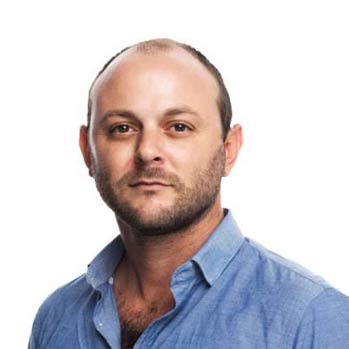

The disappearance of Zane Stevens almost 12 months ago to the day, and five other Indigenous men in recent years from northern Western Australia, have shaken their families and communities, sparking calls for urgent action.
For those connected to Mr Stevens and Brenton Shar, Wylie Oscar, Jayo Rivers, and Wesley and Clinton Lockyer, the pain of unanswered questions has stretched for years.
As Mr Stevens's family arrived in Broome this week to mark the one-year anniversary since the disappearance of the young father, police renewed calls for information on the missing 21-year-old, who was last seen on the outskirts of the coastal Kimberley town.
The ABC reports Mr Stevens had been travelling with a friend at Coconut Well, 20km north of Broome, during the weekend of April 26-27, when they became separated. His friend returned to town however Mr Stevens – from the Pilbara town of Wickham – has not made contact with his family or friends since.
Marking one year since Mr Stevens's disappearance, Broome Detective Senior Sergeant Brian Beck told ABC Kimberley it was important police narrowed in on the 21-year-old's last known movements.
His disappearance has been part of wider calls to action from families and friends of other missing Indigenous men across regional WA.
In September, loved ones of the missing men rallied at Parliament House in Perth, demanding more significant police resources and community support to help locate them.
Bring Them Home rallies have also been held across the state to raise awareness of the disappearances.
Police said they had explored if the disappearances of the six men were linked but asserted they had no credible information to support the theory, despite some community concerns the illegal drug trade in remote northern regions may have played a role
The WA government has a $500,000 reward that leads to solving these long-term missing persons cases in the state's north; the first time in history the state had made such a substantial offer for long-term disappearances.
A long-term missing person case is someone who has been missing for more than 90 days with no clear evidence of criminal involvement in their disappearance, WA Police said.
Senior Sergeant Beck said police were motivated to locate Zane to help in some way comfort his family.
"As he's outstanding, they're obviously very traumatised by the fact that he hasn't been located and there's no sign of him," he told ABC Kimberley.
"I'm forever hopeful at some stage Zane will be located, whether by a member of the public or by police... it's only a matter of time."
He said police had investigated more than 100 reports from community members on what could have happened to Mr Stevens, and maintained there was no evidence of criminal activity in his disappearance.
"We looked into all the information that was provided, whether there was any substance to it or not," Senior Sergeant Beck said.
"It was about being as thorough as possible because, at the end of the day, we wanted to locate Zane and give the family closure."
Mr Stevens potentially became lost in an area he was unfamiliar with and "deteriorated over a period of days".
"We feel that Zane, unfortunately, was a victim of the circumstances," Senior Sergeant Beck told ABC Kimberley.
Among the six missing men was Kimberley man Jayo Rivers, last seen at a campsite in Queensland in October 2021.
A coroner recently determined it was likely he was the victim of foul play, though investigations remain open.
Wesley Lockyer disappeared from the Jinparinya community near Port Hedland on October 24, 2022.
Just one week later, his cousin, 30-year-old Clinton Lockyer, went missing in Roebourne.
In November 2022, 22-year-old Wylie Oscar was last seen near Fitzroy Crossing.
His aunt, June Oscar, has been vocal in protests, vowing to continue raising awareness until answers into her nephew's disappearance are determined.
The spate of disappearances sparked a podcast from the Indigenous Missing Persons Support Services (IMPSS), aimed at giving a voice to the families of missing Aboriginal and Torres Strait Islander people.
The inaugural episode was hosted by Elijah and Marbuck Duroux, featuring a conversation with Robin Cottman from Western Australia, who spoke on behalf of the family of Wesley Lockyer.
The podcast also featured Jill McCarthy, an IMPSS team member who works with her certified cadaver dog, Mickey.
Gamilaroi man John Lewis, who co-founded IMPSS with his partner Taz Millar, said many Aboriginal families of missing persons received limited updates from authorities.
"So many Mob go missing, and families barely hear anything about a police investigation," he said.
"Most have a coroner conclude they are deceased, then that's pretty much it. IMPSS does not think that's good enough."
Anyone with information about the disappearances of Mr Stevens or other Indigenous men in the region should contact Crimestoppers.
- With reporting from Rhiannon Clarke, Giovanni Torre and Joseph Guenzler



