


Australia desperately needs a new generation of fierce justice warriors and truth tellers to speak truth to power, to liberate themselves and others, and to light up our world.
Charlie Perkins' Freedom Rides should be our north star guiding us through these difficult times of extreme levels of racial tension, change and social unrest.
In February 1965, a student group from the University of Sydney known as the Student Action for Aborigines (SAFA) drew national and international attention to the appalling living conditions of Aboriginal people and the racism that was rife in Australian country towns at the time.
Led by SAFA co-founder and trailblazer for Aboriginal justice, Charlie Perkins - who would go on to become the nation's first Indigenous man to graduate from a tertiary institution - the 15-day bus journey through regional New South Wales would change the course of Australian history and transform the country's relationship to its First Peoples.
To Charlie, the Freedom Rides was about empowering vulnerable individuals and communities to stand up for themselves and advance Australia forward. In a strategic sense, it helped to pave the way for the 1967 referendum result which contributed to the overwhelming 'Yes' vote and allowed the Australian government to make laws for Aboriginal and Torres Strait Islander peoples and count us in the Census.
This was an important feat for Charlie because he knew that the successful outcome meant that governments would have to invest in Aboriginal health, housing and education, which he recognised as the major immediate concern of the day. Aboriginal people were living in substandard housing on reserves with no running water or electricity, and poor health and education.
Because of people like Charlie and those courageous individuals who joined him in the Freedom Rides, Aboriginal and Torres Strait Islander peoples and their allies were fortunately able to achieve enormous gains over the decades following and should be acknowledged and respected for the work they've done.
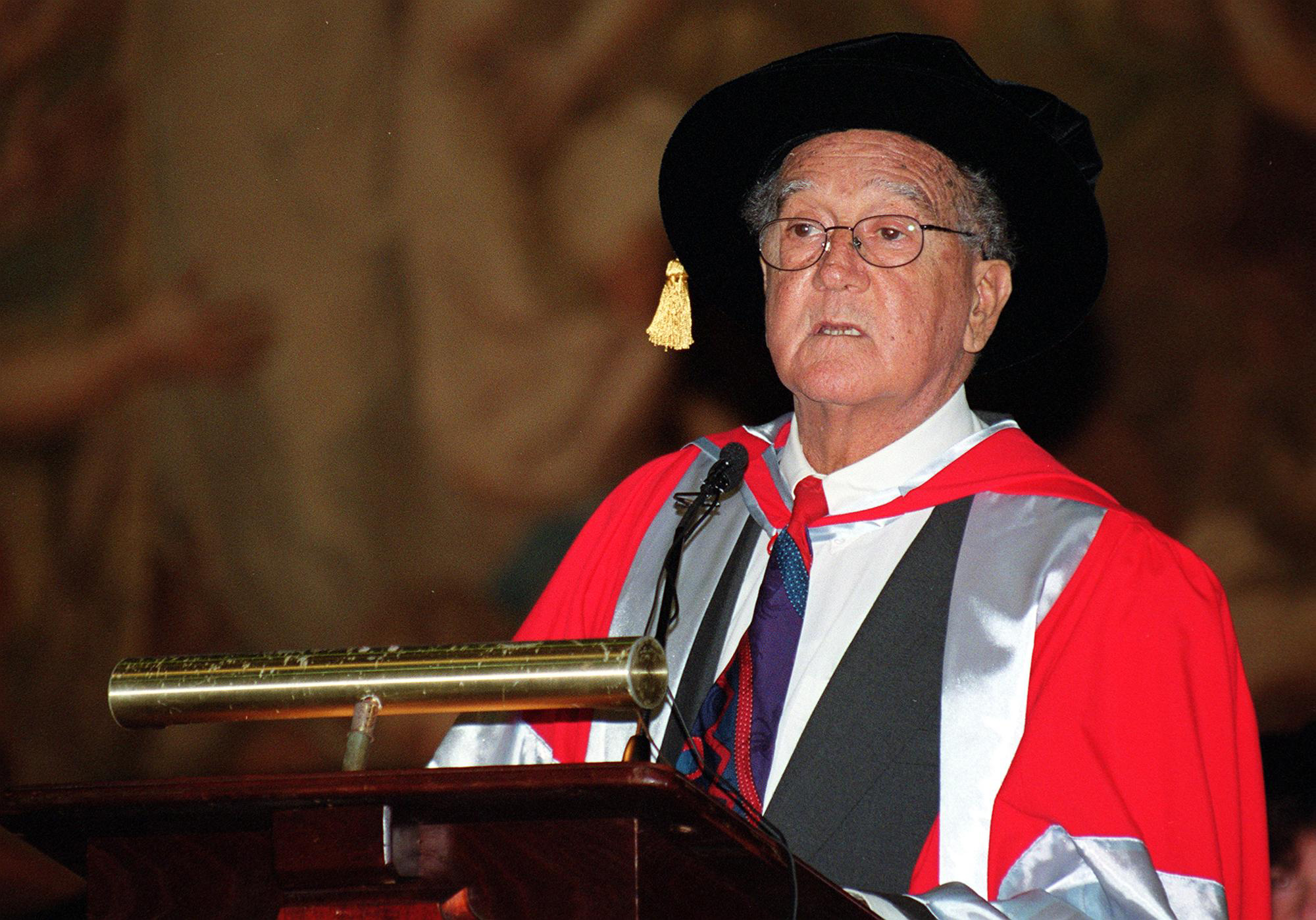
It has been 25 years since the passing of "Saint" Charlie Perkins and just like so many other inspiring community and political activist movements, the kind of momentum gained from that civil rights era, including the Freedom Rides and the 1967 referendum, has since faded out.
The world has also changed drastically. Our access to news and communications is beyond what Charlie could ever have imagined and this innovation has developed alongside global economic expansion activities of western countries like Australia.
As such, the activism landscape has changed from getting your message across only newspapers, billboards and TV sets - and with the approval of media executives and decision-makers - to learning and utilising faster communications tools, and bypassing traditional media for direct-to-community social media platforms. This has had the effect of making the world appear smaller as well as noisier, creating an environment where the ease of creating your content is met with the many challenges of maximising and amplifying your message through the thick buzz of our daily communications feeds.
However, as our media environment has become more multifaceted and pervasive, so too has the spread of racism which has evolved, desperately seeking newer and more innovative ways to survive and fester. It has become so much more complex, widespread and covertly rooted in our laws, policies and institutions.
Which explains why Closing the Gap is failing and why some of the socio-economic targets it monitors are not on track to be met and at worse are reversing.
For example, Aboriginal deaths in custody are at its highest since the 1991 Royal Commission into Aboriginal Deaths in Custody (RCIADIC) as reported by the Australian Institute of Criminology (AIC).
As a response to these challenging socio-political, technological and economic times, the Australian government has unfortunately missed the mark, and continues to do so, deciding too often that tackling symptoms to our problems of the day is the best and only alternative approach available.
Unfortunately, such short-term thinking ensures our nation's problems are only ever merely temporarily contained rather than restored. This gives room for controversial political figures such as Jacinta Price and Pauline Hanson to exploit and exacerbate the remaining tension with their damning attacks on the progress Australia has so courageously made towards racial restoration and reconciliation with the country's First Peoples.
The recently passed (and contentiously hurried) hate speech laws, the "Adult Crime, Adult Time" reforms - introduced in Queensland and proposed in Victoria - as well as the seemingly performative social media ban on young people under the age of 16, are good examples of our governments' too often, overly prescribed medicated laws and policies that do nothing but prove to us all that balancing voter popularity with the appearance of accountability is politics end-game.
Grassroots initiatives like the Freedom Rides was a defining moment in Australian activism that paved the way for the dramatic and incredibly favourable legal and policy changes that followed, leading for increased funding for Aborigines and the establishment of Aboriginal-led organisations (legal, health and land councils).
Charlie's long-term deeper objective was to build up his people so that they would become equal with Australians, not comparatively measured by some standard of race but more so in terms of quality of life, education, cultural and societal contribution and, most importantly, economic independence - which is why he went on after the Freedom Rides to take up a career as a long-serving abnormally vocal public servant.
Read a great example of Charlie's powerful speech's here.
What the Aboriginal community as a collective movement desperately needs is a new type of grassroots activist campaign led by the creative and fresh new perspectives of our young people to drive the message deep into the hearts and minds of us all just like Charlie and his friends of the Freedom Rides.
And out of this new genesis movement must come forth new and uncompromising leaders wedded to justice and healing and able to endure a suffering sacrifice worthy of its cause.
Australia desperately needs fierce justice warriors and truth tellers to come out of the shadows of injustice and speak truth to power, to liberate themselves and others and light up our world.
Young leaders of today - who have grown up in these digitally disruptive times - must seize the moment and believe that the impossible can be achieved and to look back at great moments in Australian activism like Charlie Perkins Freedom Rides and discover that even with a little bit of faith, courage and creativity mountains can be moved.
Mervyn John Davis Jnr is a Dunghutti and Kamilaroi man, entrepreneur, and thought leader whose work bridges business success with systemic reform.



