


Long before Covid, but still in the living memory of Aboriginal people in the Kimberley region of Western Australia, another epidemic devastated and isolated their people. It left scars - both physical and mental - that survivors still carry. For some, the stigma and trauma runs so deep, they have rarely - and in many cases never publicly - spoken about what they endured. But as the years advance that's starting to be replaced by another fear: that personal stories withheld so long could fade into time. All this at a time when key places that hold those stories come under threat. Four women who survived internment in Australia's last leprosarium, and one woman separated from parents who were interned there, spoke to journalist Mairi Barton.
Aboriginal and Torres Strait Islander warning: This story contains the names and images of Aboriginal people who are deceased.
For teenage Denese, night-time was hardest.
She lay in a strange bed as darkness fell over the isolated bush detention facility and sobbed. A small mark on her skin was all it took for them to rip her away from her normal life, her family and friends at school.
She didn't know what lay ahead and she was scared. But she wasn't alone.
"We were isolated," Denese Griffin said. "We had lots of things to do during the day, we worked, we went to school. But it was lonely and at night we spent some time together," she said, remembering other Aboriginal kids and adults who were locked up, just like her.
Baby Kathleen (Kathy) Watson was taken from her mother the moment she was born at the same bush facility. Whisked away as a newborn to be raised by strangers, Kathy didn't know anything different. At first.
"Our parents couldn't hold us, there was just eye contact, wrap us up in a baby blanket and take us away," Kathy said, describing an experience shared by numerous mothers and their babies born in similar circumstances.
"I was taken to a hospital in Derby just hours after my birth and at three days old, I was taken to live at Beagle Bay."
This might sound like a familiar story, with echoes of the Stolen Generations of Aboriginal children. It took place during a similar era, spanning a large swathe of the 20th Century, and while the consequences were similar for some, the motivation was different.
To the Aboriginal people of the Kimberley region in Western Australia, it was described as 'the big sick'.
It's officially known as Hansen's Disease. More commonly, it's called leprosy.
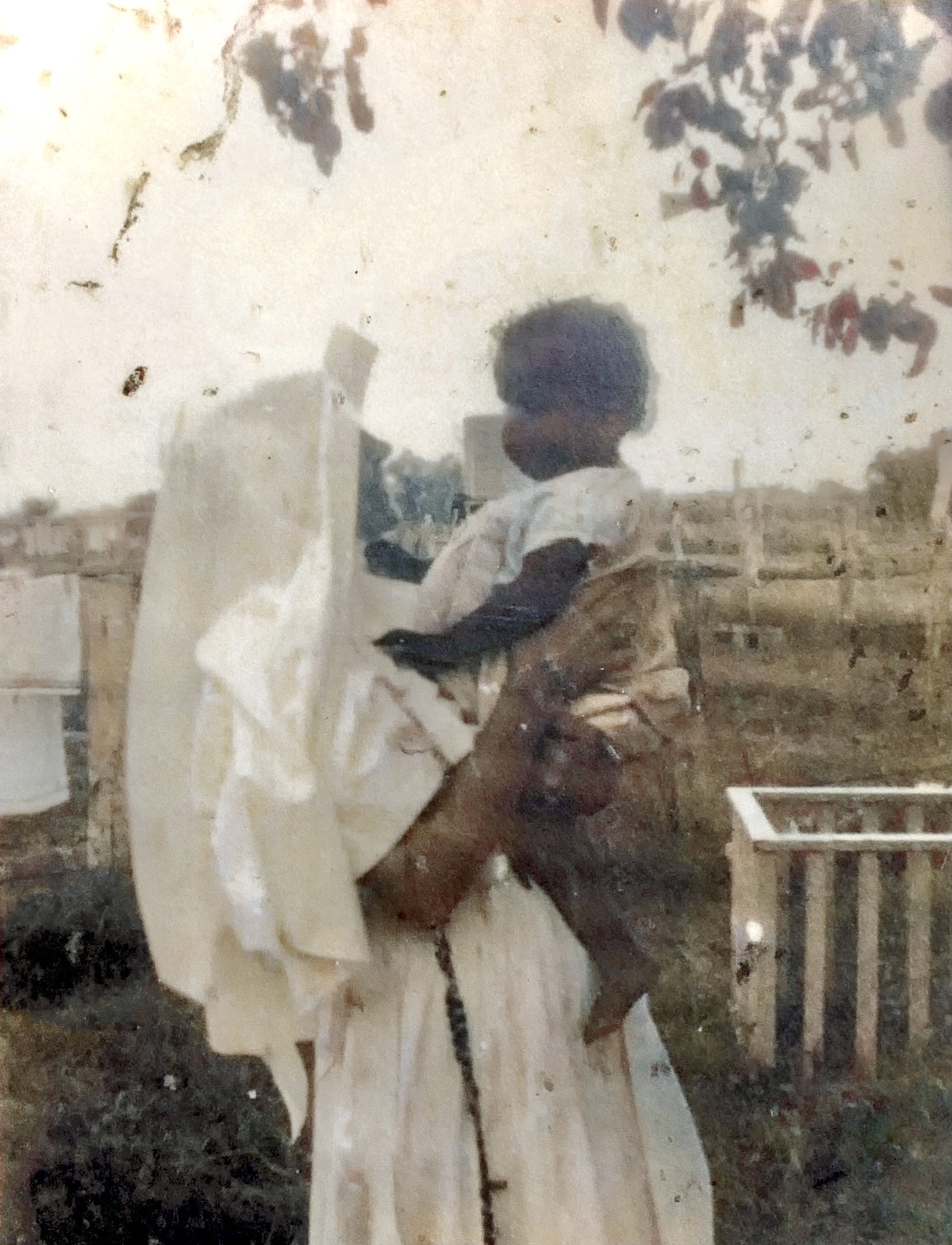
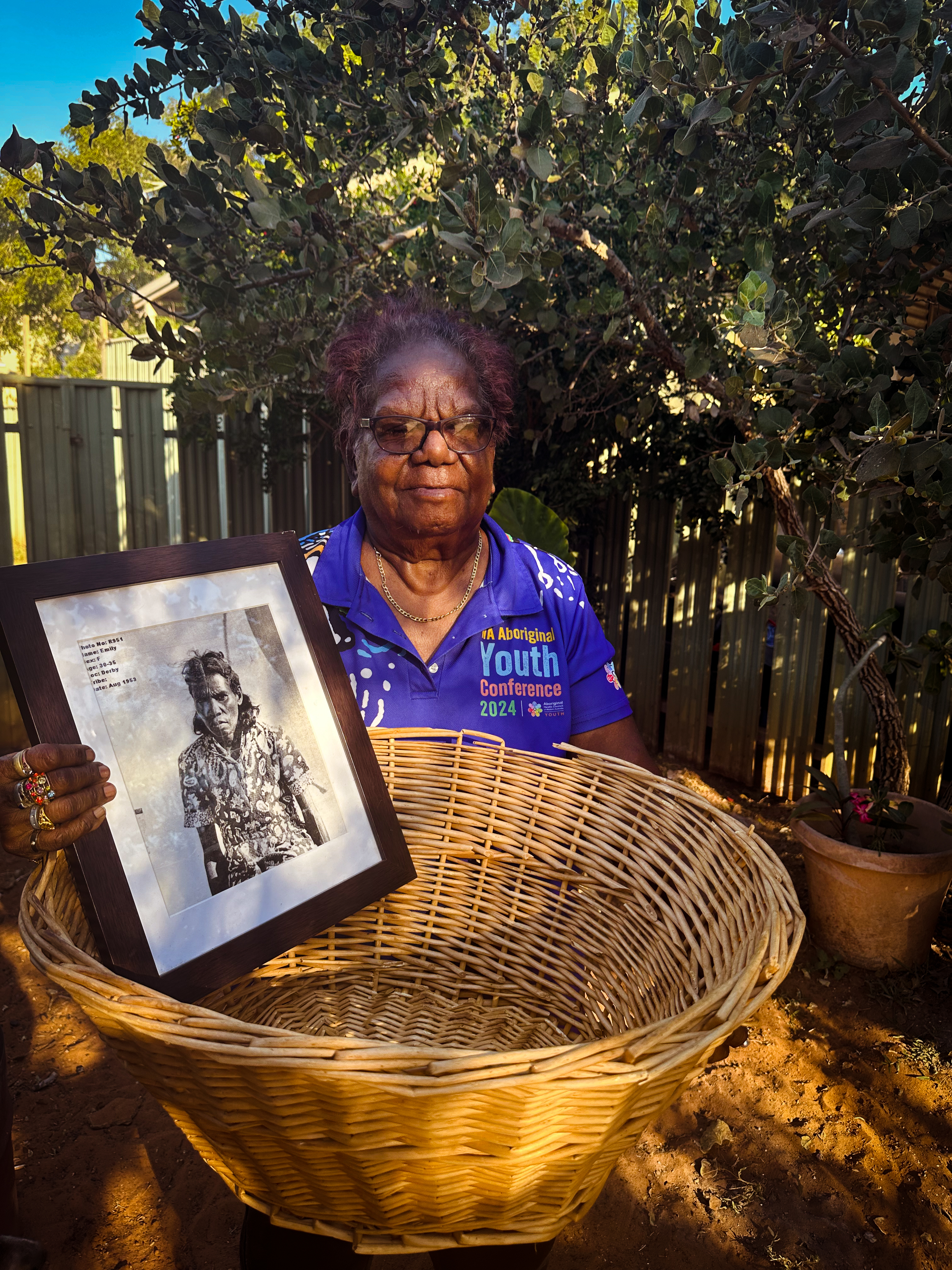
Now grown women in their senior years, Mrs Griffin and Ms Watson's experiences form two different aspects of a complex, traumatic and lengthy episode that claimed the lives of hundreds of Aboriginal people, tore families apart and left both physical and mental scars.
Given this, there are mixed emotions when Mrs Griffin, Ms Watson and a small group of survivors who either had leprosy or who were separated from parents with leprosy, return to the traumatic epicentre of leprosy in the Kimberley.
The group joined a pilgrimage, organised by the Catholic Church in August 2025, that took them back to the Derby Leprosarium, which is known by the Aboriginal people as Bungarun.
A small group of pilgrims walked 14km north-east across the marshes from Derby Cemetery to where the leprosarium now lays in ruins, almost 2,400km north-east of Perth.
At the age of 15, Mrs Griffin was taken to Bungarun. It's a place where - from around the 1930s to when it closed in 1986 - Aboriginal people with leprosy, or even suspected of leprosy, were taken. Taken to the isolated facility to prevent the spread of the disease and to be treated. And in many cases, to die.
A short walk through the bush to the south-east of the leprosarium is the Bungarun cemetery, where 357 Aboriginal people are buried, mostly in unmarked graves, though for many decades a field of white crosses has represented their loss and in more recent years, their names are recorded on a memorial wall at the site.
Nestled between that memorial wall, and the field of crosses, Broome Catholic Bishop Tim Norton and colleagues from the Broome Diocese celebrated Mass with about 200 people, including the handful of survivors along with children, grandchildren and great grandchildren of former leprosy patients at Bungarun.
For Mrs Griffin, now 70, the return from her life and work in Perth to Bungarun meant joyful reunion, and a return to pain.
Many decades later and physically healed, tears brim readily as she recalls being taken away.
"I did wonder why," Mrs Griffin said. "Out of my 13 brothers and sisters, why me?"
At Bungarun, "one big family" of Aboriginal people went some way to fill the gap. This included Valda Sesar, 73 years, of South Hedland, sisters Ina Shadforth, 78 years of Derby, and Geraldine Shadforth, now 75 years, of Broome, and Donald Campbell, of Wyndham - who attended the pilgrimage.
"The sad thing for many of us (while at Bungarun) is that we didn't always see all the (family and friends) we wanted to see," Mrs Griffin said. "But we had each other and we looked after each other."
"Many of us had to make each other happy so we had Ina, Margaret - God rest her soul - Geraldine, Valda. If it wasn't for them, it would have been hard to get through that."
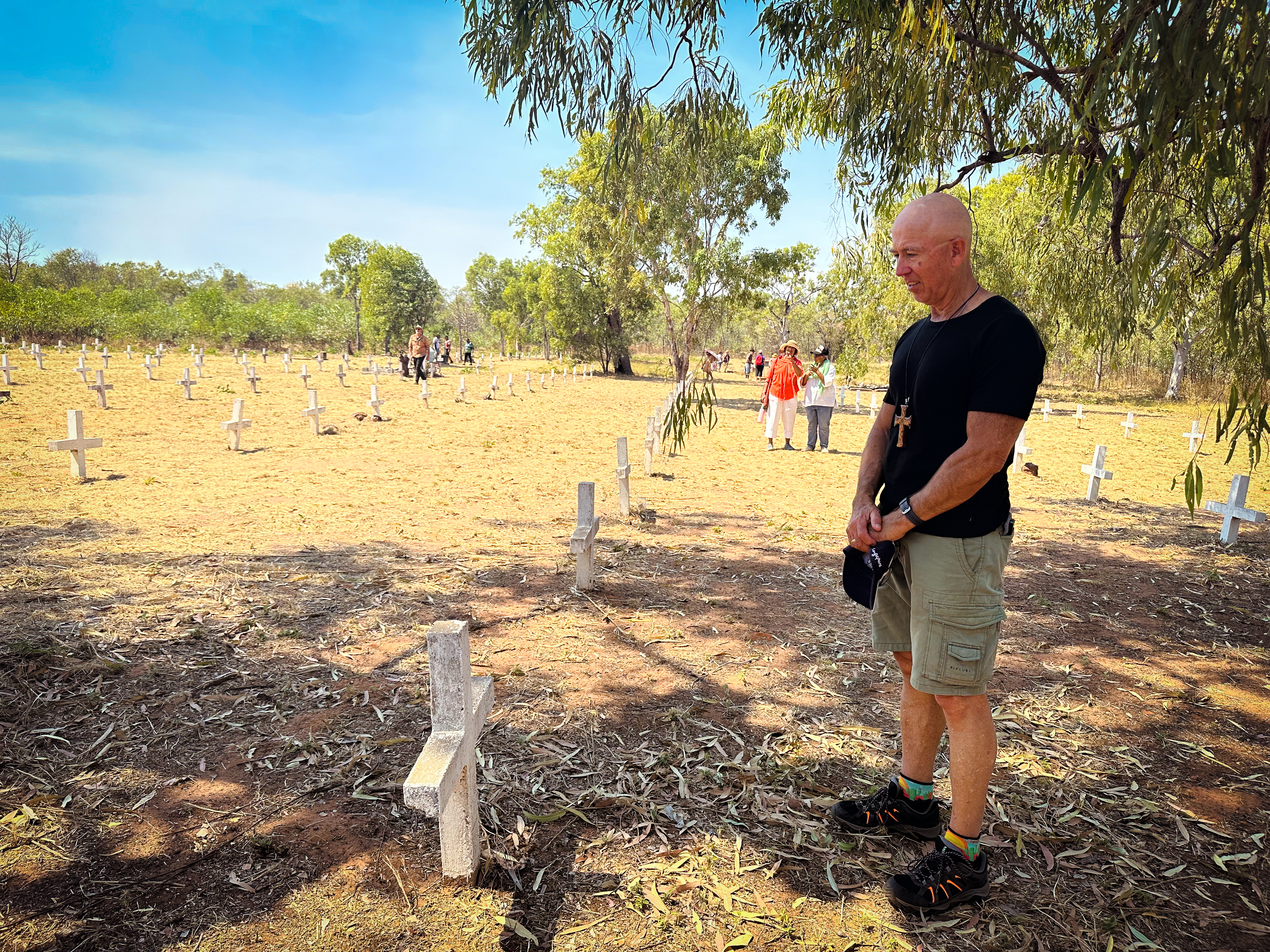
Ms Sesar also struggled with being taken away from her parents, brothers and sisters as a 10-year-old and transported more than 220km from Broome to Bungarun in the early 1960s. She stayed about six years.
"The only people who really know about Bungarun are the ones who lived there," said Valda, now a mother of two and a great grandmother. "(Other people) haven't been through things like we have."
"I ran away a few times." So did many of the others, only to be caught and brought back.
One of eight children, Geraldine Shadforth was among three sisters who went to Bungarun along with Ina and Maxine (deceased). Her early teens to her early 20s felt lost to Bungarun.
"I hated the place," she said. "I think the only happy memory I had was when the nuns taught us."
"I don't even want to remember it, but you haven't got a choice."
These survivors support each other through the return to Bungarun with hugs, held hands and shared tears, and also with smiles and laughter.
"It's been hard (to come back), but I am happy because we're doing what (the people who died) wanted us to do, and that was to never forget them," Mrs Griffin said. "That's what they always said, please don't forget us."
"And that's what we ask for, me, Geraldine, Valda, Ina, Donald and anybody else that was at Bungarun. We also ask that you give us the space to talk about what happened.
"When we left we were sad, but we were also happy. It was really sad to go back there... for many of us but what we wanted was just that recognition of what happened to us out at Bungarun," Mrs Griffin said.
As these young people were growing up in Bungarun, Ms Watson grew up 114km away as the crow flies at Beagle Bay on the Dampier Peninsular, a journey of more than 320km by road. Then run as a mission by the Catholic Church, the Beagle Bay community had nursing care provided by the Sisters of St John of God. They tended to some leprosy patients at Beagle Bay prior to the Derby Leprosarium opening. At Beagle Bay, Kathy had a happy childhood with caring Aboriginal foster parents.
"At 13, that's when I met my Mum," Ms Watson said. "I met her at the town beach in Broome. I said, 'That's not my Mum, this is my Mum here (referring to her foster mother) but she (her birth mother) didn't get offended."
Her mother, Emily Watson, a Nyngina woman whose bush name was Noongeen, knew her baby had been taken away for her own protection. It wasn't until later that Kathy understood what leprosy was and how it had determined her life and that of her parents. She has chosen in life to keep looking forward while acknowledging the trauma.
"Loneliness and suffering in silence" is how Ms Watson describes what people experienced at Bungarun.
But Bungarun holds both tragedy and love for Ms Watson. Her parents met at Bungarun and she was conceived there. Her maternal grandmother is buried there, but she doesn't know where because her grave is unmarked.
"It's very special and sacred," Ms Watson said. "I was born there, so it is like going home to me."
"When they were closing Bungarun in (1986), a lot of our people were saying 'What are you closing it for, our memories are there'."
Young Kathy dreamed of becoming a health worker caring for people at Bungarun, but didn't get the chance before it closed. However, she helped set up the Broome Aboriginal Medical Service (BAMS) where Aboriginal mothers and babies could get the priority attention they missed out on at mainstream services, and later the Kimberley Aboriginal Medical Service (KAMS). She is a Board Director of both, and also of the Kimberley Stolen Generation Aboriginal Corporation.
The Stolen Generation has received much necessary attention in recent decades. Where once it was essential to explain that the term refers to Aboriginal babies and children forcibly taken from their families from the 1910s to the 1970s, the words Stolen Generation are now broadly understood in the Australian community.
Those who survived leprosy understand the trauma of being taken from family. They endured the trauma of being part of a brutal epidemic that left them exiled and ostracised. A 'shunned generation'.
"I wish we were recognised, like the Stolen Generation," Ms Sesar said. "But (people) don't know about us."
The happy reunion with family and friends they dreamed about in darkened dormitories at Bungarun never came. Even when declared free of the disease and released to go home.
"We were shunned by society," Ms (G) Shadforth said. "Nobody wanted to know us. Our friends didn't want to know us."
The reason is simple, according to Ms Sesar. "They were frightened of us," she said.
"How would they understand?" Ms (G) Shadforth said. "We got locked up at 8 o'clock at night in our dormitories and the dormitories got opened up at 6am."
"When I first saw COVID-19 come out, everyone was complaining about isolating and I thought, try 10 years. Two weeks is nothing compared to that."
This is a generation of Aboriginal people who paid a significant personal price, largely for the safety of others. It's a price they continue to pay as a result of ongoing stigma surrounding the disease.
While it's an ancient, even biblical disease, leprosy remains part of our modern world.
No longer active in Australia other than rare cases, these often involve people from parts of the world where leprosy remains endemic such as Asia, Africa and South America. But leprosy continues to spark fear, causing isolation and stigma for patients who receive a diagnosis anywhere in the world. This compounds the experience of a disease that damages nerves and leaves people susceptible to injury, and infection.
Yet today, unlike the era of Bungarun, leprosy is fully treatable. With multi drug therapies that include modern antibiotics, patients become symptom free and non-infectious.
These aspects are still not well understood and this continues to trouble both the women who survived Bungarun and Leprosy Mission Australia CEO Greg Clarke.
For most Australians, their closest experience with leprosy is through novels, television shows and movies set hundreds of years ago.
"There are a couple of common misconceptions about leprosy - firstly that it's this ancient disease we left in the distant past, and secondly that it's highly contagious and incurable," Dr Clarke said.
"In fact, leprosy is still a thing. Sadly, each day around the world, 50 children contract leprosy and they're often from the poorest, most vulnerable communities."
"The good news is that we have the cure and we can stop it. People don't need to be isolated from their families and communities as they were in the past and they don't need to be disfigured, but it's a matter of early treatment and education."
Leprosy was even less well understood, and the treatments far more rudimentary, when the Sisters of St John of God volunteered to run the Derby Leprosarium. Their offer was accepted by government in 1937, two years after the facility opened, after government struggled to find willing workers. Previously, Aboriginal people in the Kimberley region with leprosy were routinely sent to a leprosarium in the Northern Territory, isolating them completely from their country and people.
In total, more than 40 Sisters served at Bungarun during its 50-year history. Many came directly from Ireland, and the rugged outback setting must have seemed particularly inhospitable.
Regardless, the Sisters were always impeccably dressed in crisp white uniforms, according to their former patients. This is illustrated by pictures on display at the Sisters of St John of God Heritage Centre in Broome, which has a full room dedicated to Bungarun.
A historic booklet produced by the Sisters of St John of God is called 'Healing Hands' and it's the compassionate care administered by those hands that features in many of the happiest stories from survivors of Bungarun.
Despite the stigma and fear, the Sisters tended to leprosy patients at Bungarun with their bare hands as they went about their daily practice of general and midwifery nursing, physiotherapy and pathology.
Their reputation and their legacy is one of compassion and caring among people involved at Bungarun and across the Kimberley, according to Bishop Norton.
"They stayed (at Bungarun) the whole time with people and they were the only ones who would hug a person with leprosy," Bishop Norton said.
"How wonderful, that people knew their family members, who had been excluded from society, were actually being loved and cared for, and hugged."
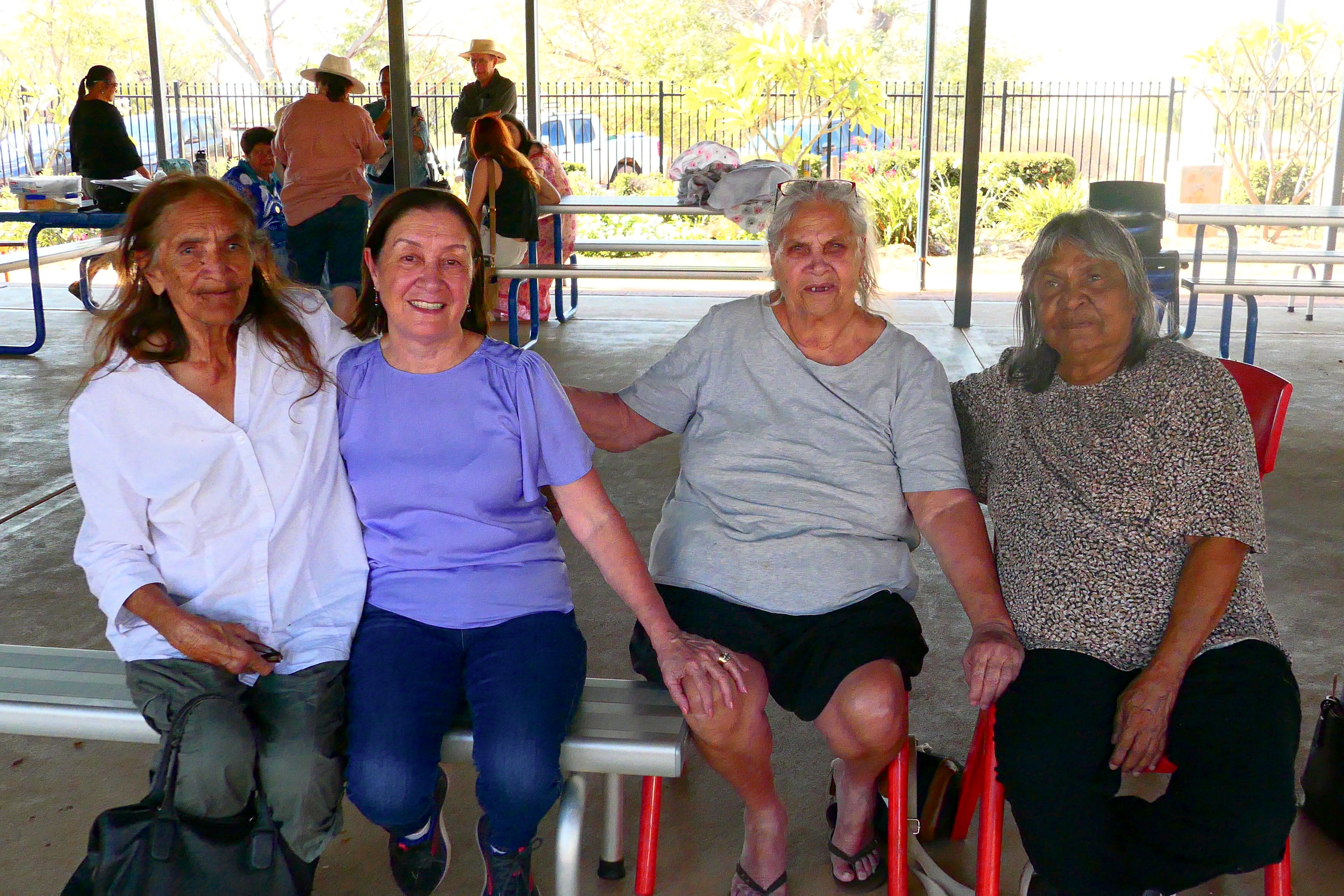
Sister Patricia (Pat) Rhatigan is the sole surviving Sister who served at Bungarun. Typically modest, she had written a brief message to be read to the group but in the moment, she was hesitant for her words to take focus from survivor stories.
"For the families left behind, the separation was heart breaking yet the community responded with strength and generosity," Sr Rhatigan said.
"Children of parents sent to Bungarun were... taken in by extended family or trusted friends. They were raised with love and accepted as full members of their new households."
Sr Rhatigan said everyone was doing the best they could with the knowledge they had about the disease and its transmission.
"Tragically, some children were never reunited with their natural parents, others were able to visit, though only from distance, with no physical contact allowed between parent and child," she said.
Sr Rhatigan asked people to honour the larger story, the quiet heroism of Aboriginal families who opened their hearts and homes.
"These children grew up knowing they had many mothers, fathers, brothers and sisters, offering a great sense of relief and hope," Sr Rhatigan said. "A beautiful truth born from a time of suffering."
As well as proffering care and religious guidance, the Sisters encouraged patients to participate in painting, wood carving and music as therapy to stimulate the nerves in their hands. Aboriginal residents, despite coming from many different cultural groups, joined together in music and dance. Sister Alphonsus Daly, who arrived at Bungarun in 1944, famously collected donated instruments from all over Australia and recruited patients to an orchestra. The last remaining violin is currently on loan to the WA Museum from the Heritage Centre.
Mrs Griffin was one of many who gave thanks to the Sisters for all the care they showed.
"They looked after us," she said. "I always remember my Auntie Eileen, telling us the nuns were the ones who reached out to touch their hand and hold their hand, because (our people) were afraid and they were told never to touch anybody.
"When I went there...we felt the same thing, that nobody wanted to touch us, nobody wanted to look at us, no one wanted to talk to us. So it has taken a long time for many of us to talk."
By their own accounts, the Sisters were short staffed and would not have managed without help from their patients at Bungarun. For Geraldine Shadforth that meant the opportunity to learn basic medical procedures that shaped her career.
"One of the nuns taught me how to take smears (to check for leprosy) and read them," she said. "If it wasn't for the sisters, I don't know where I would be today."
"Sister Camille taught me a lot and she always told me, why don't you become a doctor and I did become an Aboriginal health worker."
In recent years the mother of 10 has been involved with On Country Cultural Camps for young people at risk of domestic violence and suicide, where she draws on her traumatic experiences to foster hope.
"We run the camps to show our children there's always light at the end of the tunnel, because I went through a lot of trauma when I came out of Bungarun," Ms (G) Shadforth said. "It's shaped my life because I was so traumatised. It took me a while. You get into all this mischief when you come out of a confinement like that."
Just as members of this generation find the courage to speak up, the very places that hold their memories are currently at risk.
In May 2025, the Sisters of St John of God announced they would shut the doors of their Heritage Centre on 31 October 2025. The centre was established in the mid-1990s in the old Convent building in Broome and Kathy Watson and a number of Aboriginal women serve there as volunteers.
The ageing Sisters are completing their congregation in WA, but are yet to confirm what will happen to the award-winning museum exhibition and archival records.
As well as a room dedicated to telling the stories of Bungarun, the Heritage Centre has a Bungarun corner in the garden. Nestled under a giant frangipani tree is a place of reflection and healing, with an interactive installation sharing voices of former residents of Bungarun.
More than a museum for Aboriginal and non-Aboriginal people to learn about history, the Heritage Centre and its Relationships Exhbition have been a place where Aboriginal people piece together their own stories. For some Stolen Generation and children of Bungarun, it's the first place they have seen pictures of family members and gained access to records.The announced closure of the Heritage Centre was met with shock and sadness among local Aboriginal people.
For Ms Watson, its importance is captured in two words - one English and one in the language of her birth.
"Good liarin," she said. "It means good feeling, good memory."
Ms Watson and the other Aboriginal volunteers and supporters won't rest until the records are secure and available for ongoing access. They want to work with the Sisters of St John of God to achieve this.
A spokesperson said the Sisters of St John of God recognised the importance of the Heritage Centre to many people of the Kimberley as it held part of their past and ongoing story.
"The Sisters have not taken this decision lightly," the spokesperson said. "While the Sisters of St John of God Congregation no longer has the capacity to govern or manage the SSJG Broome Archives, the Relationships Exhibition or the Heritage Centre, they are seeking to ensure the materials in the archive continue to be appropriately preserved and access to those materials is maintained."
"With this in mind, they are currently in discussion with various parties in a bid to secure a new custodian for the digital and physical collection."
At Bungarun, it's the march of time and toxic building materials that pose a threat to the heritage listed site. The buildings are deteriorating while an apparent stalemate plays out between the traditional owners of the land and the WA Government.
Bungarun sits on the land of the Warrwa people, who gained native title in 2020. The cemetery is open to the public and undergoes periodic maintenance and fire mitigation works, but the leprosarium facilities -on land managed by the WA Department of Planning, Land and Heritage (DPLH) - are fully fenced, gated and locked.
"We want to have it back to restore and preserve it, and stop it falling down around itself," said Gail Williams, Chief Executive Officer of the Madanaa Nada Aboriginal Corporation, the Prescribed Body Corporate (for native title) of the Warrwa people.
A spokesperson for DPLH said the Department was preparing a conservation management strategy to guide future management and works for the site.
"Because of the presence of asbestos, critical maintenance and repair works were required and the site had to be secured with restricted access," the spokesperson said.
Ms Williams has heard this before.
"For years (DPLH) have said we can't go in there because there's asbestos, it needs to be safe for everyone to visit," she said. "For years they've said they're going to remove it, but they've done nothing."
"It sits on Warrwa land, that's our native title land, but it belongs to everyone. It needs to be restored so everyone can visit it.
"That's why we need to stop it falling down and rotting, which is what it's doing now. It really hurts."
Those concerns are shared by survivors of Bungarun, who also want to see better care of the cemetery. Ina Shadforth is a mother of 15 (three deceased) and with her adult children, she spent the day before the pilgrimage clearing weeds and debris from the cemetery.
"It should be looked after," said Ms (I) Shadforth, who spent a decade at Bungarun. "We can't let them lay like this. We have to remember them and keep the stories alive."
Freelance writer Mairi Barton is an award-winning journalist and published historian. Her trip to the Kimberley was funded by The Leprosy Mission Australia to help preserve and share these stories.



