




Fifteen stores across remote Western Australia will begin offering cheaper groceries under the federal government's low-cost food subsidy program, expanding access to more affordable essentials in isolated communities.
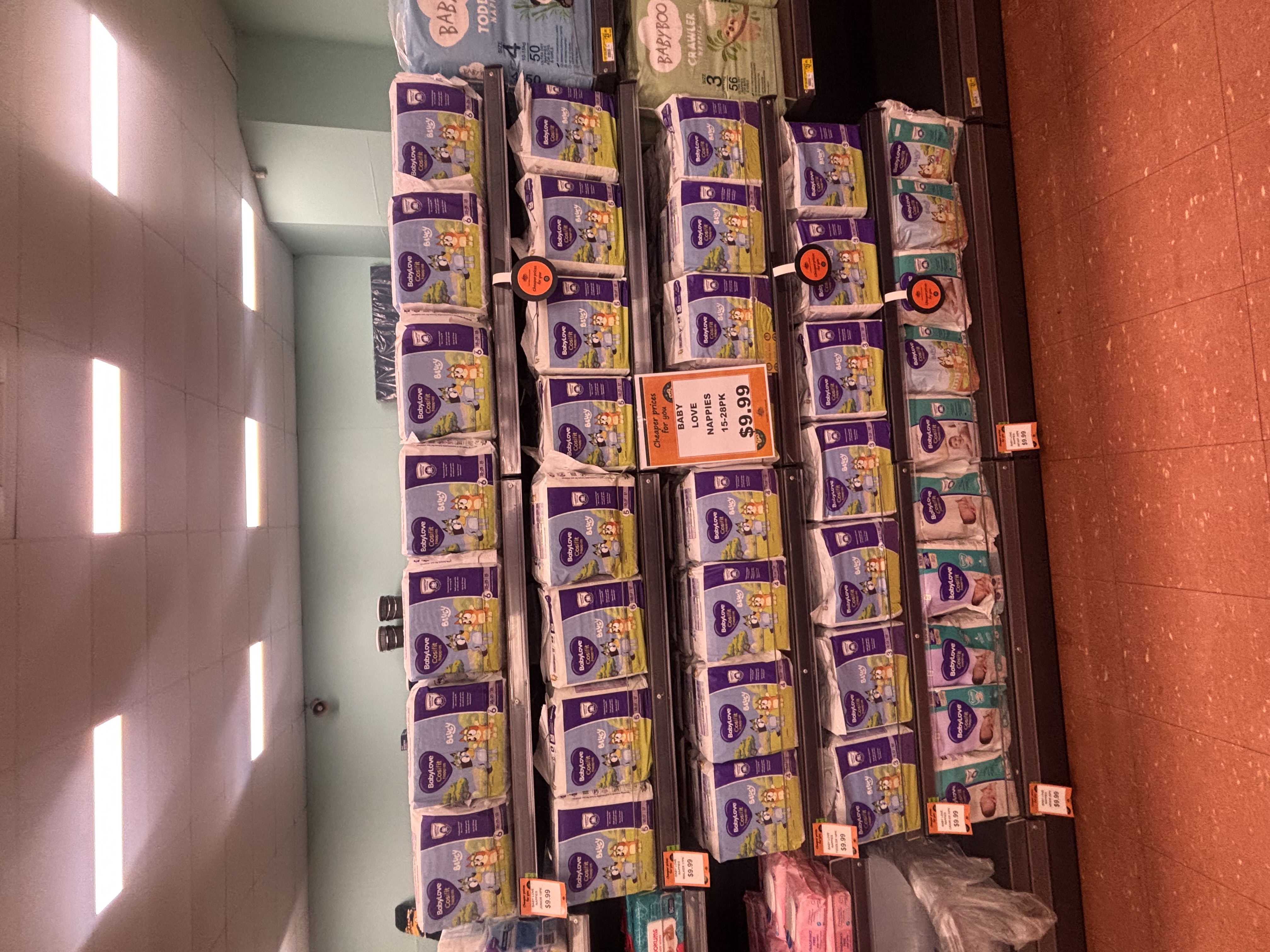
Earlier this month, the Australian Government announced a $27.4 million investment to lift the subsidy cap and expand the Low-Cost Essentials Subsidy Scheme, which cuts prices on 30 staple grocery items — including canned fruit, tinned vegetables, rice and pasta, as well as everyday necessities such as nappies, soap and toilet paper. The changes are designed to bring prices closer to those paid in urban areas.
The scheme currently covers 113 stores and is set to expand to an estimated 225 nationwide.
On Saturday, the government confirmed 15 WA stores would join the program, spanning communities from Bidyadanga and Yakanarra in the Kimberley to Kiwirrkurra in the Gibson Desert and Jigalong in the Pilbara.
"For too long, First Nations remote communities have paid too much for food and other essential items, compared to people living in big cities. Our Low-Cost Essentials Subsidy Scheme is changing that by providing cost-of-living relief in remote communities," Federal Minister for Indigenous Australians, Malarndirri McCarthy, said.
"That's why we're expanding access to the scheme, so more communities and families can benefit."
Tania Baxter, CEO of the Bidyadanga Aboriginal Community — WA's largest remote Aboriginal community — said running the local store, which provides jobs and funds community programs, comes with significant challenges when trying to keep basic goods affordable.
"The cost of freight and limited buying power of an independent store means that the cost of stock into store is greater than that of the supermarket giants," she said.
"Many of our customers are on pensions and low incomes so they are facing financial stress just to maintain housing, power and basic household requirements. This is why we wanted to participate in the Low-Cost Essentials Subsidy Scheme.
"Our community members and customers can access subsidised, affordable basic products while the business is not penalised for providing these items. It is a good start in our efforts to bring equity to Bidyadanga and other remote communities."
The subsidy has been a key priority for Senator McCarthy since taking on the portfolio, alongside the 10-year national food security strategy for remote First Nations communities —which was launched last year — with support from states and territories and aimed at introducing a national code on food pricing.
"I needed the states and territories to be on board with me so that it was a collective approach to wanting to reduce the costs of food, and I was very pleased with that," Senator McCarthy told National Indigenous Times last year.
Senator McCarthy has also advocated for 100 nutrition workers to be employed in stores to promote healthier choices.
"They have to be based around food," she said. "It's about awareness in language; making it understandable about what foods are healthy for you, what foods are not; what's the better choice.
"So, these nutrition workers are also about assisting. If you do have Mob who come in with kidney dialysis issues or with heart issues, they have a sense of how they can guide customers as well."
To take part in the scheme, stores serving remote communities must sign on to the National Code of Practice for Remote Store Operations, which sets minimum standards across three key areas: governance, operations and health. Once approved, participating stores can order from a list of 30 essential items to meet community needs.
The full list of participating Western Australian stores is available online.



