


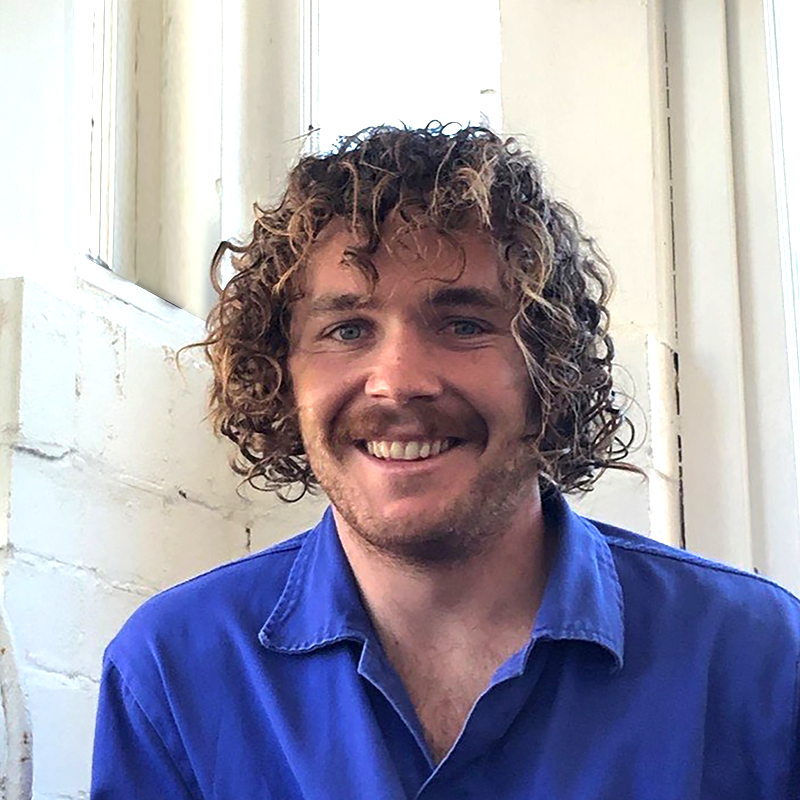

Charlie Campbell was overcome with the feeling of a hug, being wrapped in a blanket and welcomed home the first time he went to Cummeragunga.
Mr Campbell was reconnecting to the place his parents were buried at the site of the old mission on the banks of the Murray River at the New South Wales-Victorian border.
Times he's returned to Country have been life-changing, landmark moments in his life.
Born in 1966 in Mooroopna, Mr Campbell was taken from the hospital and to The Haven in North Fitzroy before growing up in the eastern suburbs of Melbourne, and later Bairnsdale in Gippsland, with his adoptive family.
At the time, in the suburbs "there was no one out there who looked like me," Mr Campbell recounted, before things changed when he arrived at Bairnsdale High School.
A chance conversation revealed his father was also the father of a teacher's aid he knew at the school.
Prior to a journey of connection, Mr Campbell was "lost in a lot of ways, I didn't know where I belonged, who my mob was".
Mr Campbell is a Stolen Generations survivor.
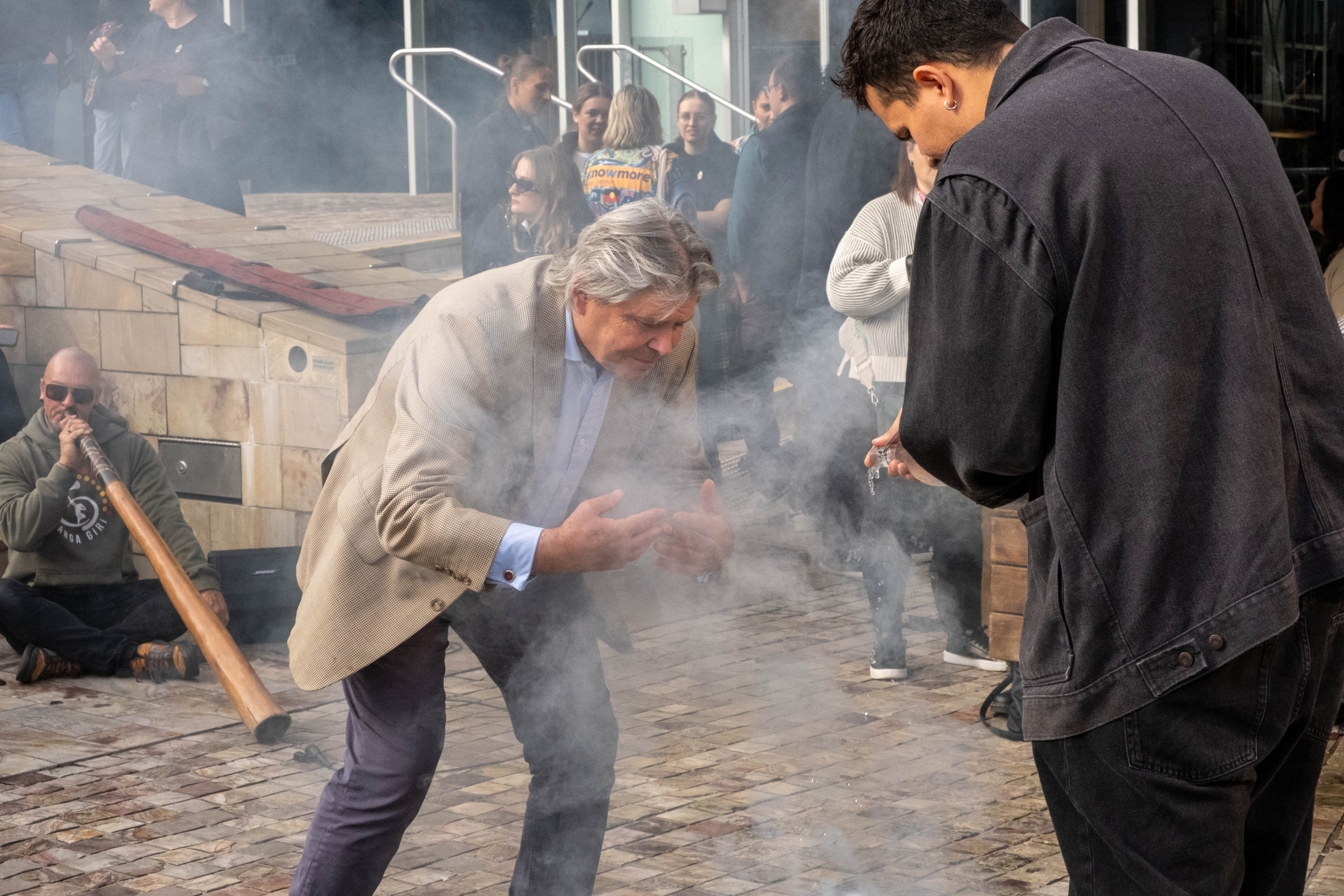
He shared his story on National Sorry Day at a meeting of survivors and families, support organisations and community members on Tuesaday at the Koorie Heritage Trust in Naarm.
Every year, May 26 provides an opportunity to remember and reflect on the pain experienced by Stolen Generations.
It's also a reminder of survival and strength, and that intergenerational trauma caused continues through the following generations, speakers told the event on Tuesday.
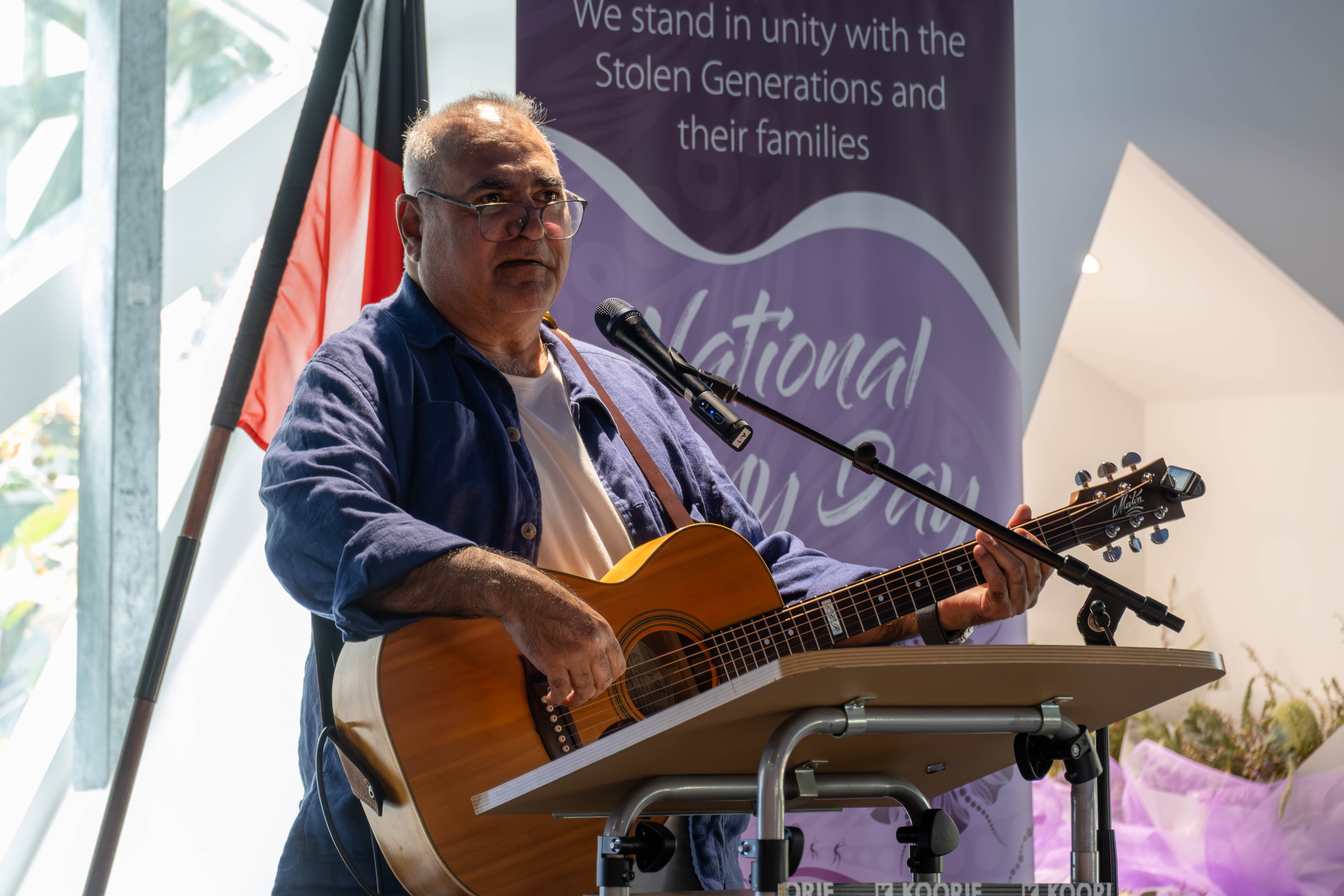
Mr Campbell is a Yorta Yorta, Taungarung, Yitha Yitha, Dja Dja, Palawa and Boon Wurrung man, singer-songwriter and storyteller.
He performed two songs at Tuesday's event.
"The first time I went to Cummeragunga, I'll never forget it. As soon as I drove out over the cattle grid, this feeling came across me. It was so tangible. It felt like someone had put a doona around me, and it felt like someone was hugging me," Mr Campbell said.
Speaking to an Aunty about the experience, he was told: "That's the old people saying you're home". An Uncle he visited there, and met for the first time, told Mr Campbell they had been "waiting" for him.
Tuesday's event was hosted in partnership by Koorie Heritage Trust with Stolen Generations support services Connecting Home and Link-Up Victoria, the Victorian Aboriginal Child and Community Agency (VACCA) with support from City of Melbourne and Aboriginal Melbourne.
Glenn Pellegrin is a Ngarrindjeri-Narungga man and director of Connecting Home.
His mother is a Stolen Generations Survivor.
"Sorry Day is important because it acknowledges the atrocities of the past, but also provides a space for Stolen Generations survivors, their families, and allies to come together and have a ceremony, is how I put it, to honour, and also move forward together collectively," Mr Pellegrin told National Indigenous Times.
Speaking at the event, Mr Pellegrin shared parts of his mother's story, periods where her experiences of removal and associated trauma were amplified, and how this trauma persists through generations, like so many other families.
"The past shapes the present and moves us towards the future," Mr Pellegrin said.
His responsibility, he added, is to support and empower his people into future generations.
Mr Pellegrin said he is proud of his ancestors, his mother, father and grandparents, and their power through struggle.
Connecting Home delivers a range of culturally-safe support service for the Stolen Generations across south-eastern Australia, including help establishing family connections, accessing reparations and redress schemes, Stolen Generations funeral funds and more.
The service was established in response to the Bringing Them Home report.
Looking ahead, they remain committed to supporting Stolen Generations descendants through intergenerational trauma.
"We have so much more to do"
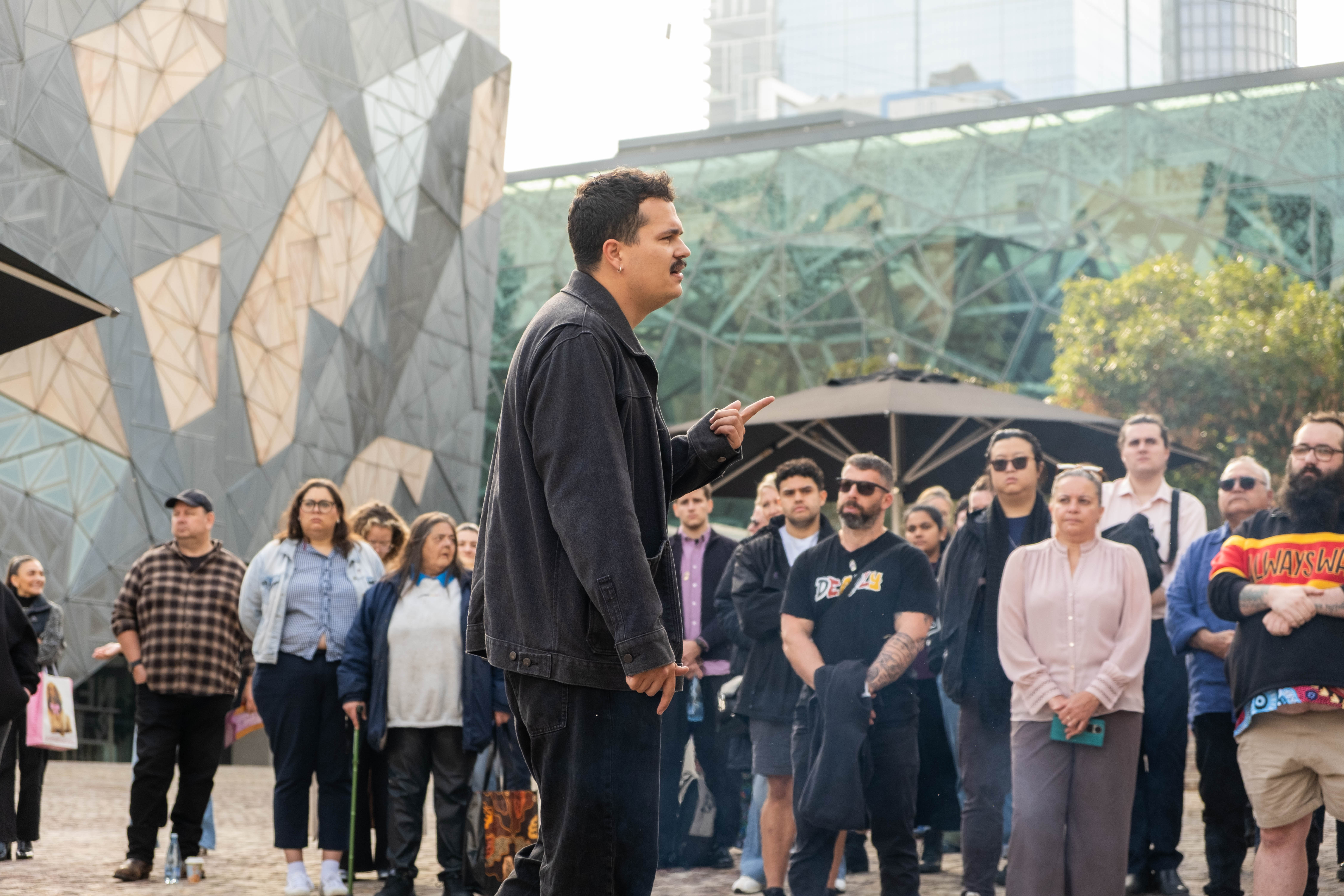
KHT chair and First Peoples' Assembly of Victoria elected member for Metro Region, Indi Clarke, spoke of a "duality" Aboriginal and Torres Strait Islander people live — one of laughing, crying, holding pain, hurt, resilience and strength all at the same time.
Sorry Day is "a powerful, but a challenging and important day for our people," Mr Clarke said.
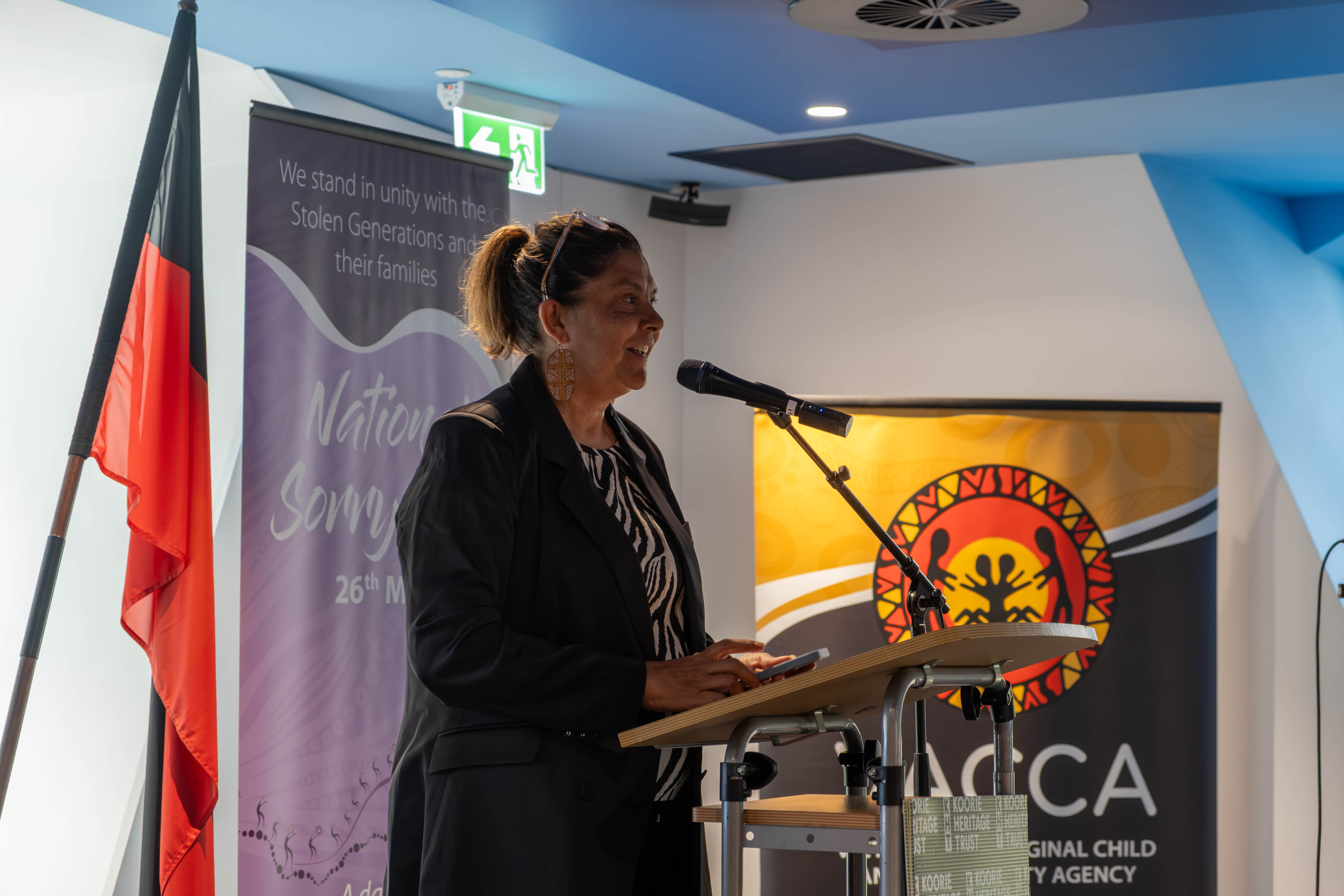
Inaugural and two-term First Peoples' Assembly member and Gunditjmara and Bunjalung woman, Tracey Evans, spoke of how Framlingham, where her mother was stolen from, is a place bringing complex emotions for her family.
"When we talk about returning to Country, it looks different for us," she said.
"There's a calling to go home to Country, but there's a deep sadness that runs through that Country as well."
Ms Evans spoke of the strength of her parents, paid her respects to Stolen Generations survivors — those who have found their way home, still searching for their families and those who have passed.
She said she's become the keeper of her mother's story, including its pain, and has carried this with her though a career as a public servant.
Ms Evans also extended thanks to organisations such as Connecting Home and Link-Up for the work they do.
National Sorry Day was first observed in 1998, the one year anniversary of when the Bringing Them Home report was tabled in Parliament.
VACCA acting deputy chief executive, Megan Van Den Berg, speaking on behalf of Link-Up, pointed to 2025's Are you waiting for us to die? report commissioned by The Healing Foundation, which found only five out of 83, or six per cent, of Bringing Them Home recommendations had been clearly implemented.
Link-Up Victoria operates out of VACCA.
Aboriginal Community-Controlled Organisations do important work, with a responsibility that comes with it, to make a difference, Ms Van Den Berg said.
"National Sorry Day is an ongoing reminder for us to shine a spotlight on our Stolen Generations community members and the importance of advocacy, access, and support services," she said.
"But we all know that the past is not the past, and we have so much more to do."



