




Yawuru man Bart Pigram was named after Aboriginal musician Bart Willoughby — a lineage that echoed through Rubibi/Broome as We Have Survived was invoked at Goolarri Media's 2026 Survival Day event.
"It's about reminding ourselves as Aboriginal people that we have survived," Mr Pigram told National Indigenous Times.
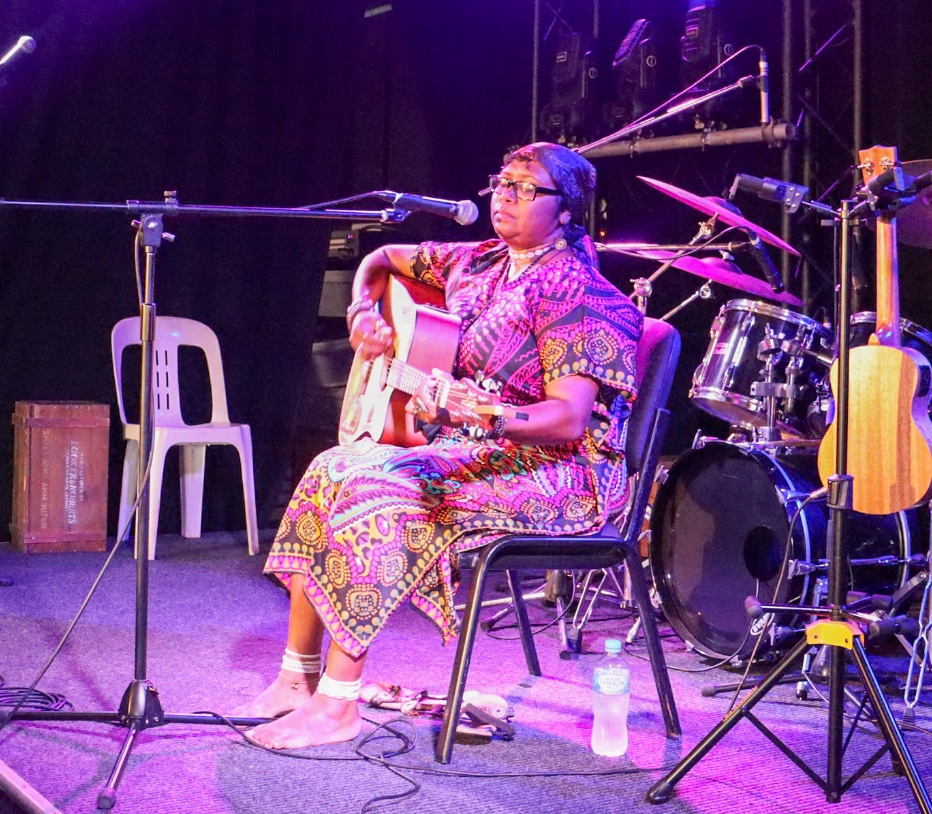
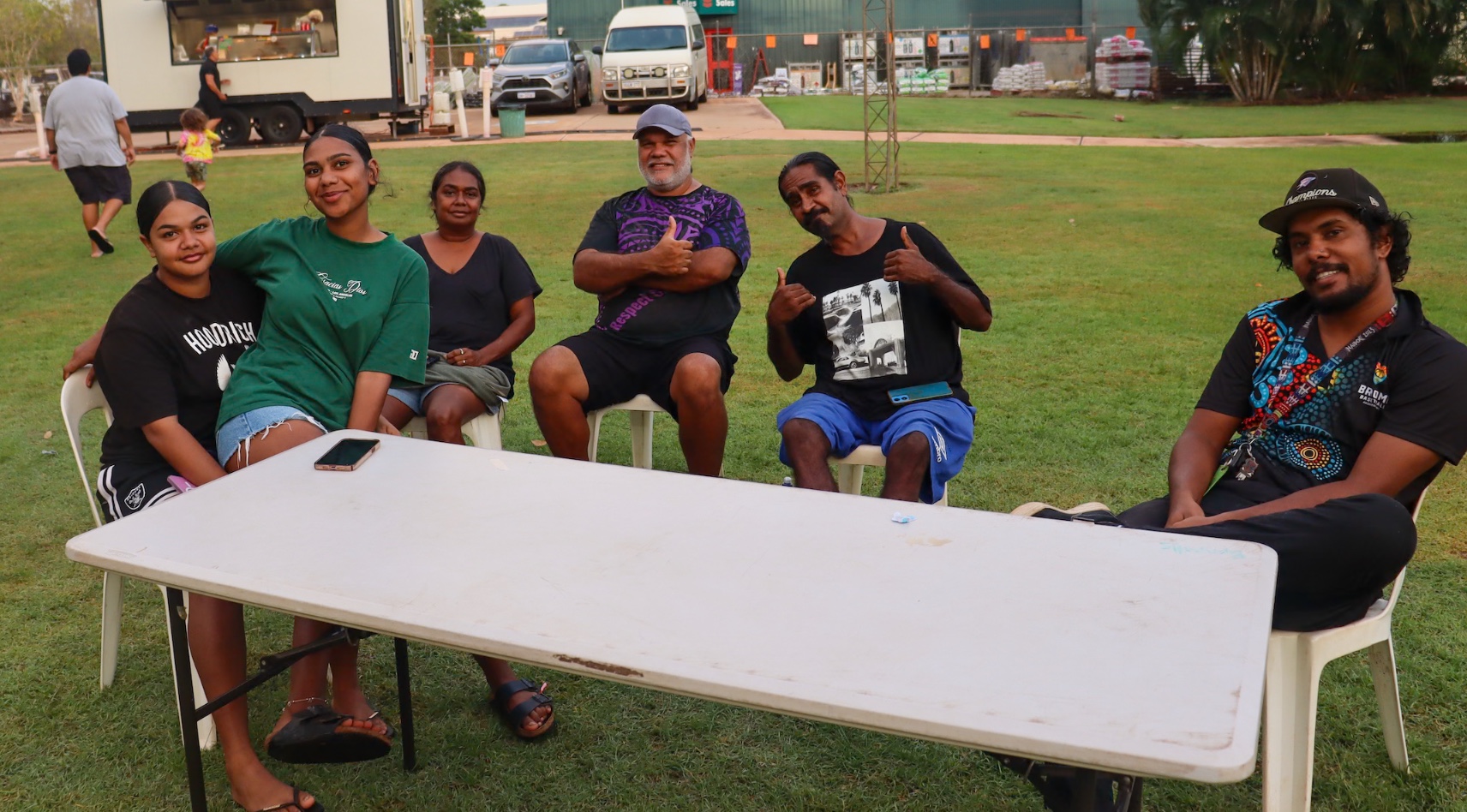
Hundreds gathered at the January 26 event, which included performances by Kimberley First Nations artists, and speakers paying tribute to Aboriginal people affected by the violence of colonisation.
Proud Karajarri woman Leanne Shoveller, who performed under her stage name Lexyanna, said Survival Day was about holding both truth and strength.
"We hear a lot about what our ancestors were put through, but also how they survived," Ms Shoveller said.
"They protected their language and culture, which is still here today and being passed on to the next generation because of them."
Mr Pigram echoed the sentiment, saying the significance of the date lay not in celebration, but in reflection.
"We've survived for thousands and thousands of years; including through the greatest test, which was colonisation," he said.
"So on this day, we come together to remember, reflect, and acknowledge that survival."
January 26 marks the arrival of the British First Fleet at Sydney Cove in 1788, under the command of Arthur Phillip.
The piercing of the British flag into Gadigal Country at Warrane signalled the beginning of colonisation — ushering in widespread violence, dispossession and policies that devastated First Nations peoples.
Aboriginal scholars including Aileen Moreton-Robinson, Tony Birch and Chelsea Watego have described colonisation in Australia as genocidal, citing sustained violence, the dismantling of Indigenous law and the ongoing erosion of sovereignty.
While Australia's state and territory leaders agreed in 1935 to standardise January 26 as Australia Day, it was not until the 1988 Bicentenary that the date was observed nationwide as a public holiday.
For many First Nations people, the colonial framing of the day has never shifted.
Leaders including Senator Lidia Thorpe have long described January 26 as a Day of Mourning.

That resistance has deep roots.
In 1938, the Aborigines Progressive Association held a Day of Mourning protest in Sydney, rejecting the celebration of a date tied to dispossession.
From the Aboriginal Tent Embassy in 1972 to the mass protests of the 1988 Bicentenary, and the growth of Survival and Invasion Day events across the country, opposition to January 26 has evolved into a national movement.



