


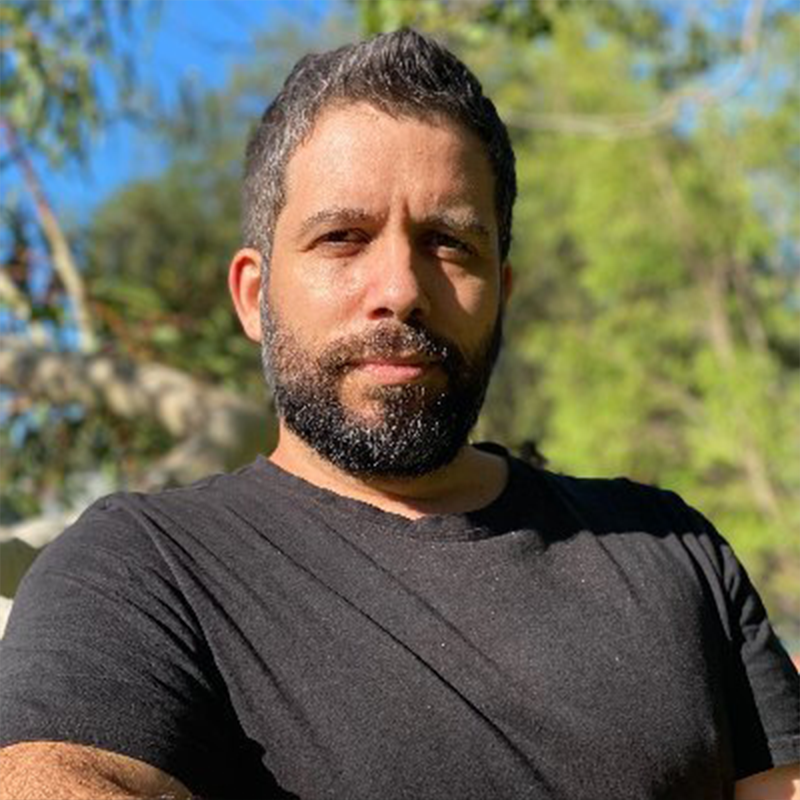

Professor Ghillar Michael Anderson, Convenor of the Sovereign Union and last survivor of the four founders of the Aboriginal Embassy, has criticised the findings of the Senate Inquiry into genocide legislation and called for a conscience vote Thursday on Senator Lidia Thorpe's Bill to reform the law.
Senator Thorpe's bill would remove the Attorney General's power to veto legal action brought in Australia pertaining to the charge of genocide.
Professor Anderson said "If ever there is a mockery made of the judicial system and parliamentary process it has been the Senate Legal and Constitutional Affairs Committee falsely pretending that they were seeking a public response on the removal of the Attorney-General's veto power over the prosecution of genocide cases".
"All the written and oral submissions made by lawyers and the Australian public to the Inquiry supported the rescinding of such an autocratic rule from our legislation by repealing sections 268.121 and 268.122 of the Criminal Code 1995," he noted.
"We know that the way the Attorney-General's submission to the inquiry deflected focus onto Division 16 of the Criminal Code titled Miscellaneous is, in short, pathetic. Clause 16.1 concerns only foreigners in foreign countries."
Professor Anderson said the Attorney General's submission did not address why the AG should retain the power of veto, and instead "deflected argument onto a matter that has nothing to do with the domestic law of Australia".
"What makes this even worse is that the Inquiry's final report submitted to the parliament totally ignores the wishes of the people, who unanimously agreed with the removal of the Attorney-General's fiat.
"The Committee made only one recommendation: 'The committee recommends that the Senate does not pass the Bill.' To allow the government to wilfully ignore the considerations of the public shows that Australia has great fears about its relationship with First Nations Peoples. This is reflected in the closing down of truth-telling commission in some states," Professor Anderson noted.
The Aboriginal Embassy founder said "parliament must allow a conscience vote on this Private Senator's Bill, which is beyond party political wrangling and goes to Australia's status in international relations – a country is not considered civilised if it does not have a law against genocide".
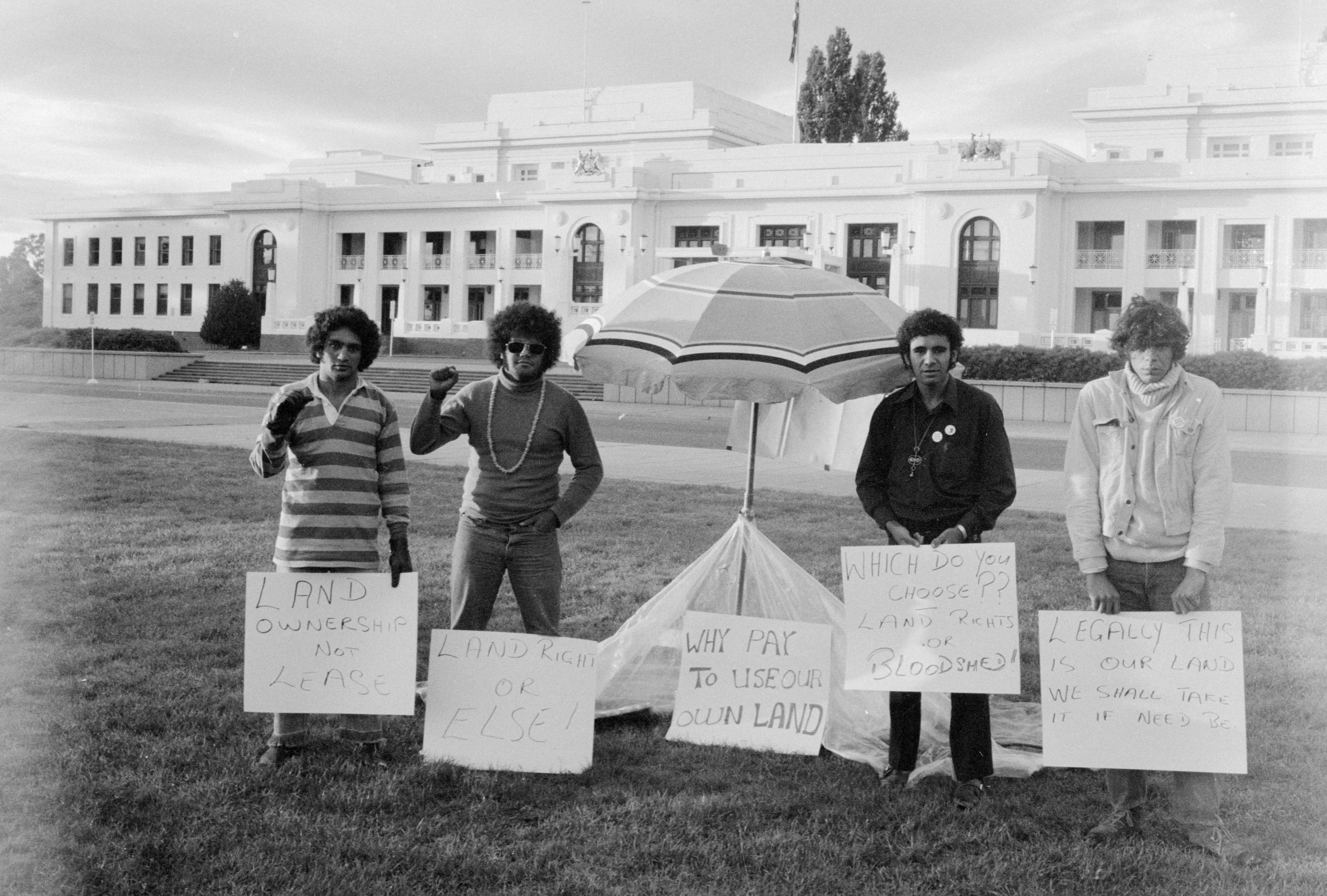
The founding four on the first day of the Aboriginal Tent Embassy, 27 January, 1972: (L-R), Billy Craigie, Bert Williams, Ghillar Michael Anderson, and Tony Coorey. Image: State Library of New South Wales.



