


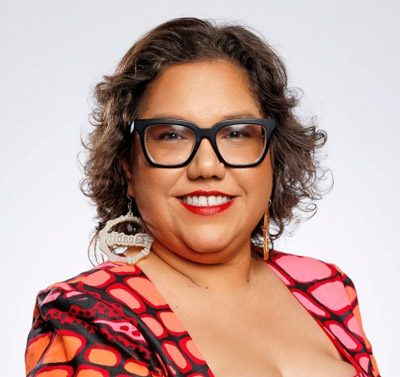

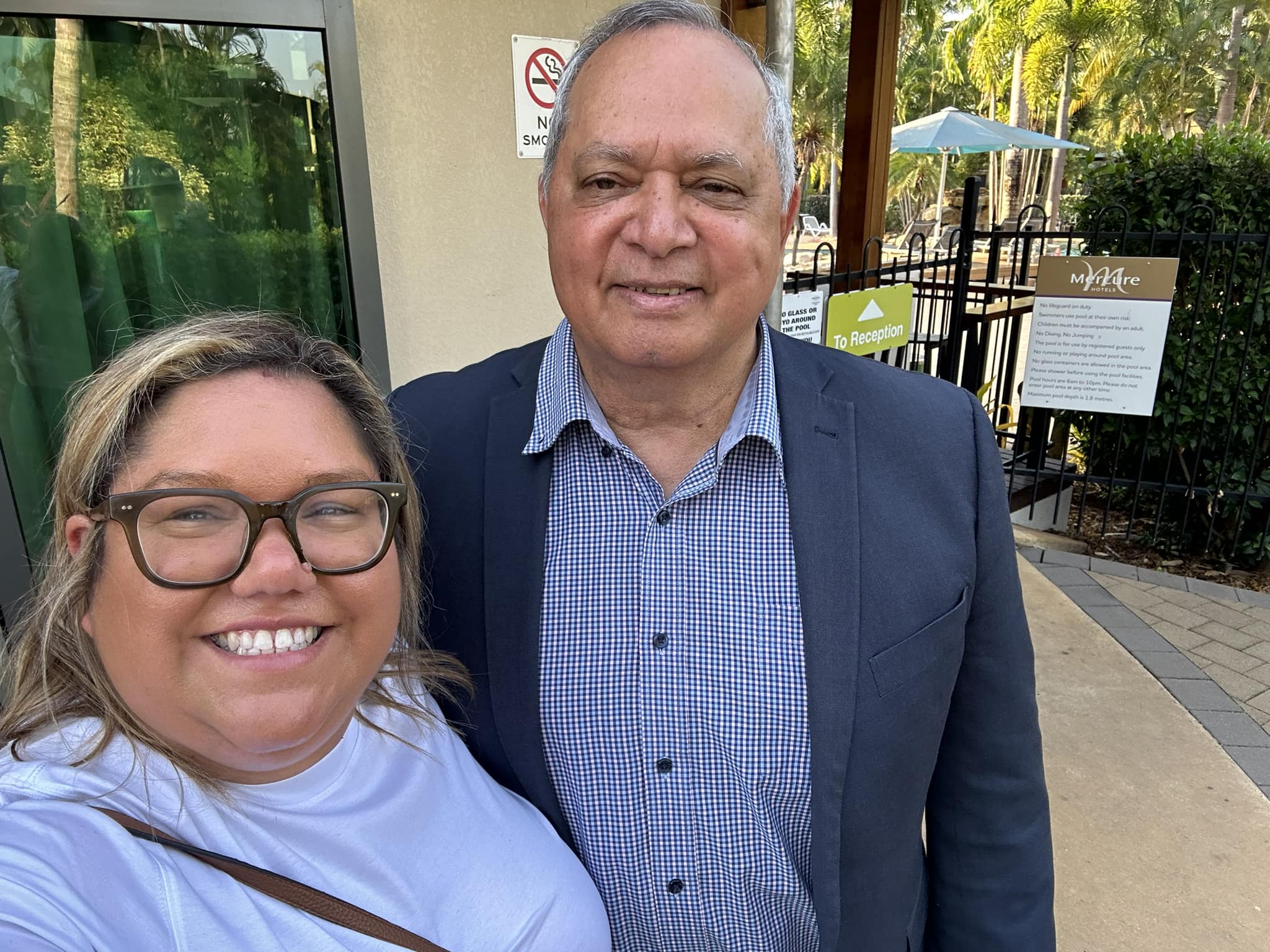
There are moments in your life that find you exactly when you need them. Moments that reach into the parts of you you've tried to hide and gently say, "It's time". That was what happened when I sat down with Uncle Eddie Fry.
I was at a crossroads. The kind where questions feel heavier than answers. Where imposter syndrome creeps in and tries to shrink your confidence, even when everything on the outside says you're doing well. It was one of those seasons where you carry the weight of expectations, the pressures of leadership, and the burden of proving yourself, not just to others, but to your own people.
I walked into that room tired. Tired of justifying my identity. Tired of wondering whether I was doing enough, being enough, or belonging enough. I wasn't just looking for advice. I was searching for something deeper. And I found it in Uncle Eddie.
An hour was never going to be long enough. Not with someone like him. He carries not just wisdom but presence, that rare combination of experience, humility and clarity that puts you at ease and calls you to rise all at once. He is, without a doubt, one of the most extraordinary humans I've ever had the privilege to sit with.
"Everything I do," he told me. "I retrofit and shape around the core principles of identity."
He wasn't speaking in abstracts. He was speaking from a lifetime of being defined and redefined by systems that tried to box him in.
"I've been called coloured, half-caste, Aboriginal, Indigenous, First Nations. But I am, and always will be, Dagoman."
He's a Dagoman man, the son of a Dagoman woman, who was the daughter of a Dagoman woman.
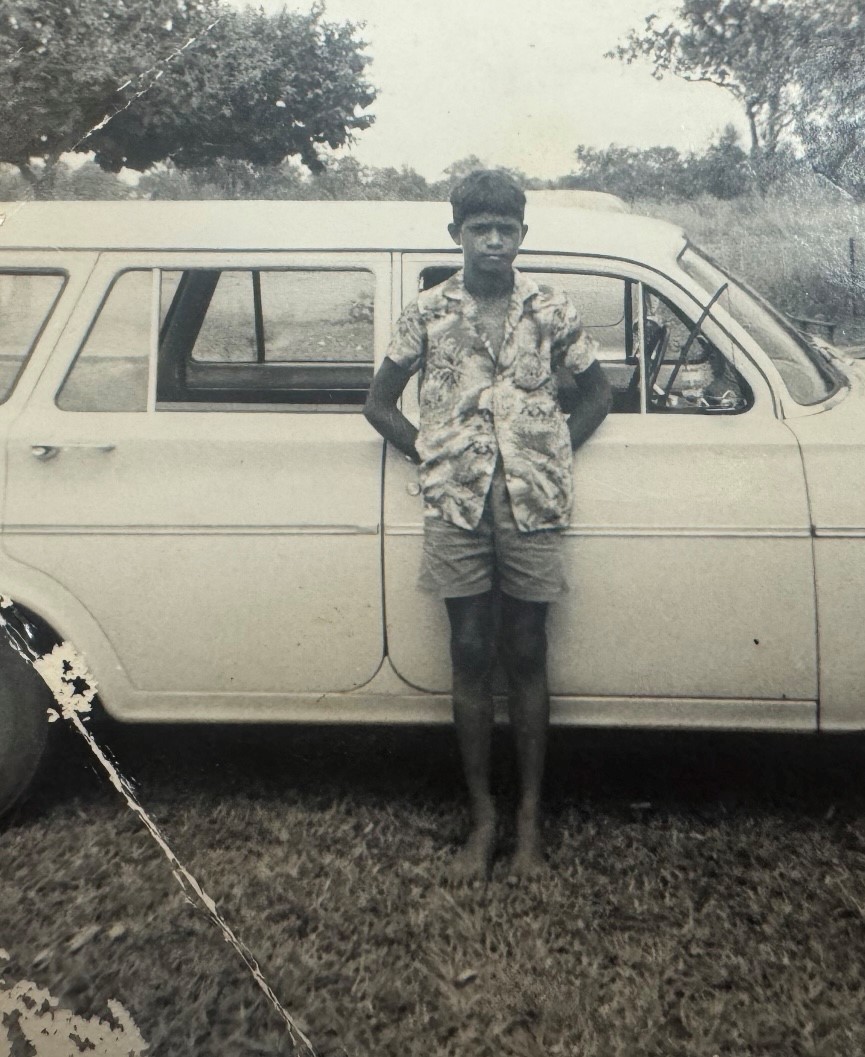
Those words, simple, powerful, true, landed deep. Because I, too, have felt the sting of being questioned. Of being told I'm not enough of this, or too much of that. Of being labelled for the sake of someone else's comfort. But Uncle Eddie reminded me that we are not here to fit into other people's definitions. We come from something older, richer, and far more powerful.
He spoke about identity not as something fragile, but as a foundation: "Our psychological needs, air, water, food, shelter, that's our land and culture. And our land and culture are based on our tribe."
This wasn't theory. This was a blueprint. A way of seeing ourselves and our communities with depth and honour.
He even broke it down using Maslow's Hierarchy of Needs, reinterpreting it through a cultural lens: "From our psychological needs through to safety, love and belonging, esteem, and self-actualisation, every level can be traced back to our identity, our culture, our connection to land and community."
And suddenly, it all made sense. I saw myself in that pyramid. I saw our people in that model.
We spoke about the ways identity gets diluted in today's world. How labels like "First Nations" can sometimes feel like a blanket thrown over our uniqueness, erasing the intricate, sacred lines of tribal identity.
"We are not under a blanket of one," he said. "We are tribal. We come from land, from clan, from family."
And he's right. Our stories don't come from a single thread, they come from woven lines of blood, memory, and Country. Yet so many of us, myself included, have had to defend those lines. I've had my own mob question my identity. I've seen division rip through families and communities trying to navigate native title claims, land rights, and governance. It hurts. It's exhausting. And sometimes it makes you want to give up.
But Uncle Eddie won't let you give up.
He told me about his own journey, from humble beginnings in Darwin to becoming a global figure in mining and Indigenous economic development. He worked in Geneva, Brussels, Hong Kong, Johannesburg. He negotiated billion dollar deals, built pathways for Indigenous executives, and grew Indigenous organisations from $1.2 billion to $2.4 billion in value. But even in those rooms, the boardrooms, the airports, the front rows, he never forgot where he came from.
"I've walked into rooms where people looked at me and asked, 'What are you doing here?'" he said. "But I never let that question become my truth. Because my identity is not theirs to validate."
That sentence floored me.
We spoke about legacy, how everything we do is not just about now, but about those who come after us.
"The future receives our current state and is handed to the next generation in perpetuity," he said. "That's why we have to build structures that reflect who we are, not who others think we should be."
One of those structures, he explained, is governance.
"We should have a national tribal council. Our PBCs should elect into regional bodies, which then elect into a national one. That's how you build something that reflects our truth, from the ground up."
It made so much sense. Because we're already doing the work, but without the proper frameworks, we risk building on sand.
Then he looked at me, not as a critic, but as a mentor, a guide, and said something I'll never forget:
"Identity should never hold you back. But it must always promote your inner self. That's your self-actualisation. That's your belief in yourself."
That was the turning point. The moment something in me shifted.
I told him about my son, how I watched him, without being told, walk into my recent campaign launch event and shake hands with people, hug the aunties, show respect. My heart swelled watching him carry what I've tried to teach him.
"You're doing something right," Uncle Eddie said.
That moment reminded me: I belong. Not because someone says so, but because I come from something strong, something old, something sacred.
I am Nicole Brown. Larrakia woman. Daughter of saltwater people. Granddaughter of this land. I don't need to shrink myself to fit into someone else's story. I am writing my own.
And I will no longer carry the weight of other people's projections. I will carry my community, my culture, my son, and the legacy that comes with them.
Because as Uncle Eddie said: "The functionality of the tribe was paramount. Not 25 per cent of the tribe, the whole tribe."
I left that conversation with my head high and my heart full. I left knowing I wasn't just a participant in this moment, I'm a custodian of the future. And I have a responsibility to show up, speak up, and lead with truth.
Uncle Eddie gave me more than wisdom. He gave me back a piece of myself I didn't even realise had gone missing.
And I will carry that gift, fiercely, gently, proudly, every step forward from here.



