



The new fundraising campaign of Indigenous health and education charity Bridging the Gap Foundation aims to address ear disease and hearing loss in rural and remote Indigenous communities, where these issues are particularly prevalent amongst children.
Ninety percent of Indigenous children in remote areas of the Northern Territory suffer some form of otitis media, a middle ear disease which results from inflammation and/or infection, causing hearing loss. The disease has been found to persist for years in up to seventy percent of Indigenous children, with nearly thirty percent developing chronic ruptured eardrums, the most severe form of the disease which causes hearing loss classified as disabling by the World Health Organisation.
These rates are the highest reported in the world and cause life-long health and educational disadvantage amongst Indigenous people, having an adverse impact on learning, social development, and future employment opportunities, creating a cycle of disadvantage. Preventing chronic ear infections can play an important role in closing the nine-year gap in life expectancy, and other gaps, between Indigenous and non-Indigenous Australians.
Bridging the Gap Foundation (BTGF) annual tax-time appeal is now raising funds to assist in Indigenous ear health education and the early detection and treatment of otitis media. Donations received during the appeal will fund a number of initiatives, including the training of Indigenous ear health facilitators in remote communities, and the purchase of mobile testing equipment to support their work.
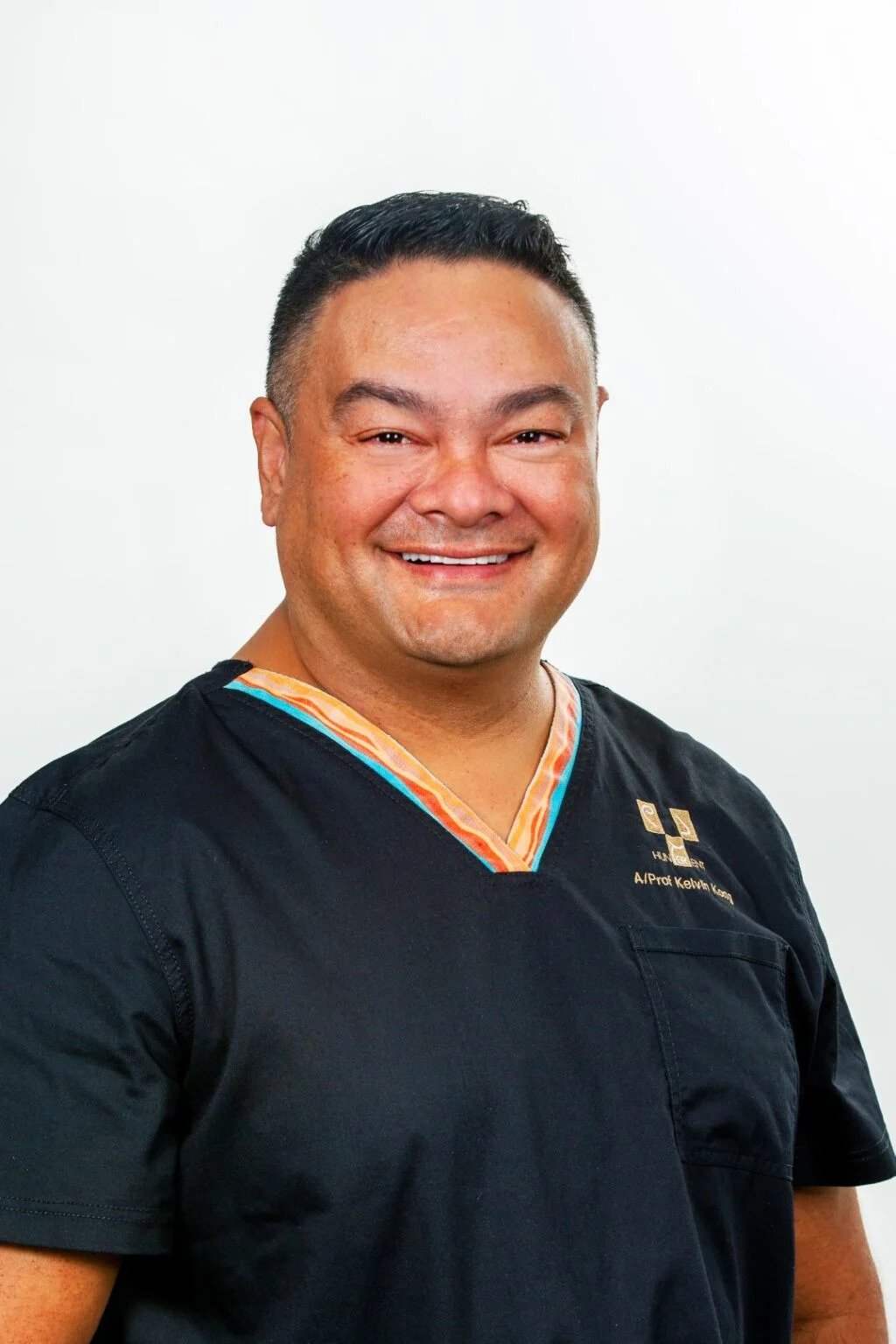
BTGF said the resourcing will empower Indigenous people to assist in addressing debilitating ear disease in their own communities, with the appeal enlisting the support of Professor Kelvin Kong, a proud Worimi man and the first Indigenous fellow of the Royal Australasian College of Surgeons (RACS), and Professor Amanda Leach AM, from the Menzies School of Health Research.
"The funds that Bridging the Gap is aiming to raise for community-based action on ear and hearing health is a game-changer for our mob," Professor Kong said.
"We know that ear and hearing health is critical to overall health and quality of life, and at present, the ear disease rates we're seeing within our mob are horrific, with disease that is occurring earlier and longer, and which has more profound outcomes.
"Tellingly, WHO says there is a public health emergency when 4% of a population suffer chronic suppurative otitis media, or perforated eardrums - but in remote Indigenous communities, this can range from 40 per cent right up to 85 per cent."
Professor Kong said it is "appalling" that Australia is home to a dichotomy in which "a first world country has a third world health statistic".
"That's why it's vital we put capacity back in our community's hands to drive change on the issue of ear health," he said.
Professor Leach noted that it is possible to detect and successfully treat common ear infections before they turn into a lifelong problem.
"Many infections of the ear are painful, but typically, Indigenous children often do not present with ear pain, so ear problems are not identified by parents or health staff and go untreated, leading to ongoing and sometimes profound hearing loss," she said.
"By training community members as ear health facilitators, and giving them the skills to use new compact technology to regularly check and detect ear and hearing problems, families and health services can access timely and culturally appropriate expertise.
"This allows communities to design and implement a 'Detection - Treatment - Follow Up' model that ensures children don't lose crucial time for speech and language development in their early years. Once treated and regularly checked, these children can more successfully participate in early and further learning and education, hear without difficulty at home and at school, and embark on a path to a healthier future."
The appeal is now seeking tax deductible donations online.



