




The former Port Cygnet Cannery has occupied a prominent place in the Huon Valley's economic history for more than a century.
Established during the peak of Tasmania's apple industry, the site was originally developed as an industrial processing facility, receiving fruit from surrounding orchards and canning it for domestic consumption and export.
For much of the twentieth century it was a significant local employer and a key piece of infrastructure in a region shaped by agriculture, river transport and seasonal labour.
As the Tasmanian apple industry declined in the latter half of the century, the cannery's original function diminished. The site was later repurposed and adapted, retaining its industrial character while transitioning into a mixed-use precinct.
Its location on the banks of the Agnes Rivulet, just south of the Cygnet township, has remained a defining feature, linking the site to both the working history and natural landscape of the Huon Valley.
That site has now entered a new phase of ownership and purpose after being purchased by an Aboriginal corporation which has lofty ambitions of supporting Indigenous business enterprise in the area.
The South East Tasmanian Aboriginal Corporation (SETAC), which has been operating for 35 years, purchased the property last year with the intention of using the former apple canning factory as its Huon Valley hub.
For many years SETAC has offered health, social and cultural support from a number of facilities in Cygnet and across the broader Huon region, services which will all locate to The Cannery once renovations are complete.
SETAC was established in the late 1980s to deliver culturally appropriate services to Tasmanian Aboriginal people living in the south-east of the state.
Over time, it has expanded its scope to include primary health care, family support, disability services, youth programs and cultural initiatives.
The organisation is Aboriginal governed and employs local Aboriginal staff, with its work shaped by community priorities and regional need.
However, it is the Aboriginal business enterprise opportunities created by purchasing The Cannery which most excites the organisation's Deputy CEO and Business Enterprise Manager, Tracey Dillon.
The Butchulla woman, whose people are the Traditional Custodians of the Queensland island of K'gari, was integral in SETAC's acquisition of the precinct, the purchase coming instead of "throwing quite a substantial amount of money" at the organisation's previous Channel Highway home.
"It made sense that we would then have a brand new, purpose-built building that would suit our needs, not just continually adding to an existing heritage building," Ms Dillon said of SETAC's purchase of The Cannery.
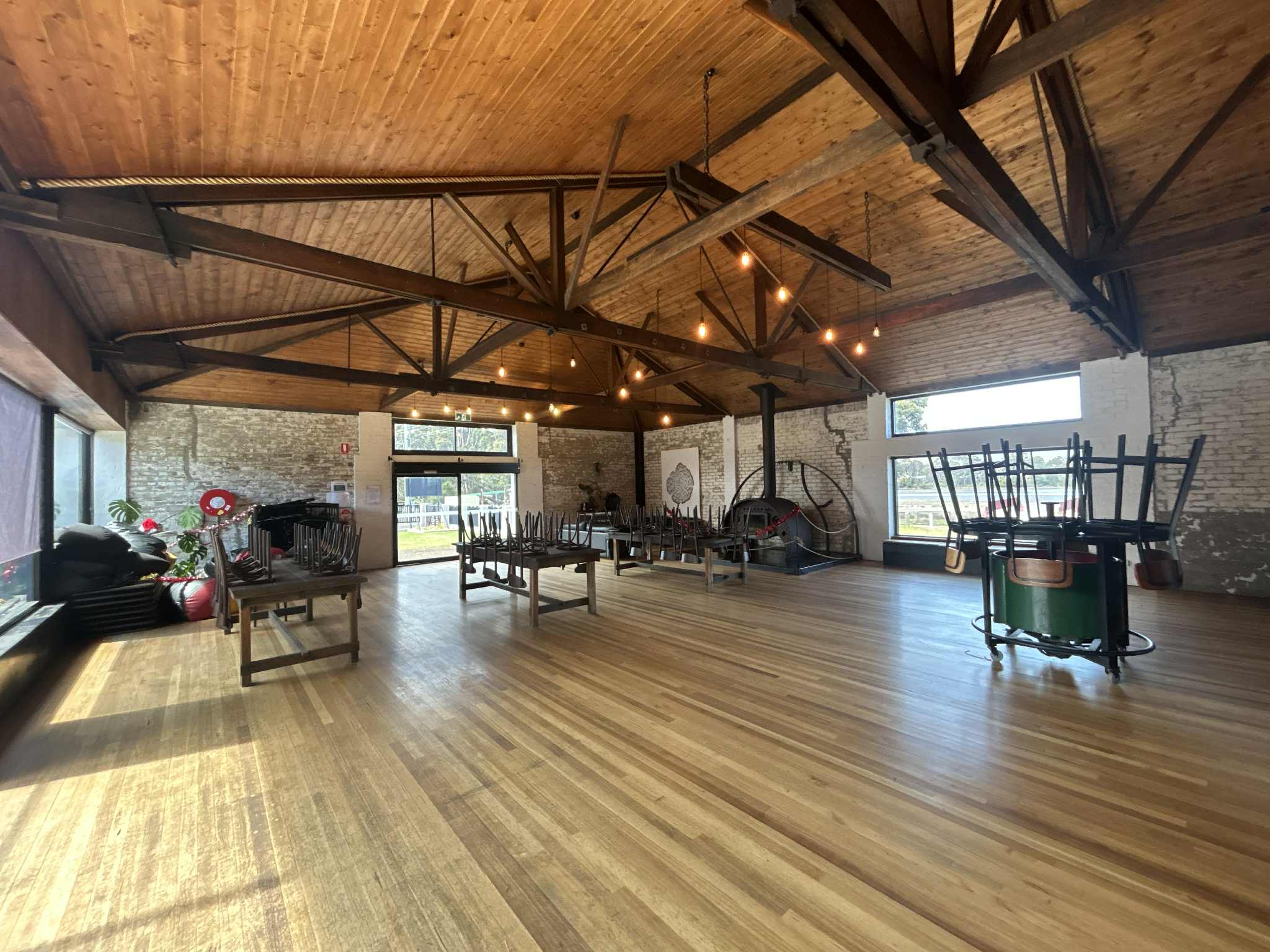
Once refurbishment is complete, The Cannery will house SETAC's entire suite of services while also operating as a commercial café and restaurant, currently known as 'The Kitchen', offering hospitality training and employment for Aboriginal people.
Ms Dillon says the concept has broad community support, reflecting the site's long-standing role as a place of work and gathering within Cygnet.
"What we want to do is engage a chef who will support us to have trainees, a little bit like what TAFE does," Ms Dillon said.
"It's going to create more jobs for our mob, and we will be able to then get the employment stats up because we've got some place for them to work."
Employment pathways form a central part of SETAC's longer-term planning for the precinct, particularly for Aboriginal people who face barriers to entering the workforce in regional areas.
Nestled on the bank of the Agnes Rivulet, Ms Dillon said there are plans to combine The Cannery's café and restaurant offerings with tours of the local area once "we get our legs and get the place operating".
"We've always talked about cultural tourism, and you just have to walk out here and you can walk up the road and do a tour," she said.
"So we want to do cultural tourism. We want to do that with food.
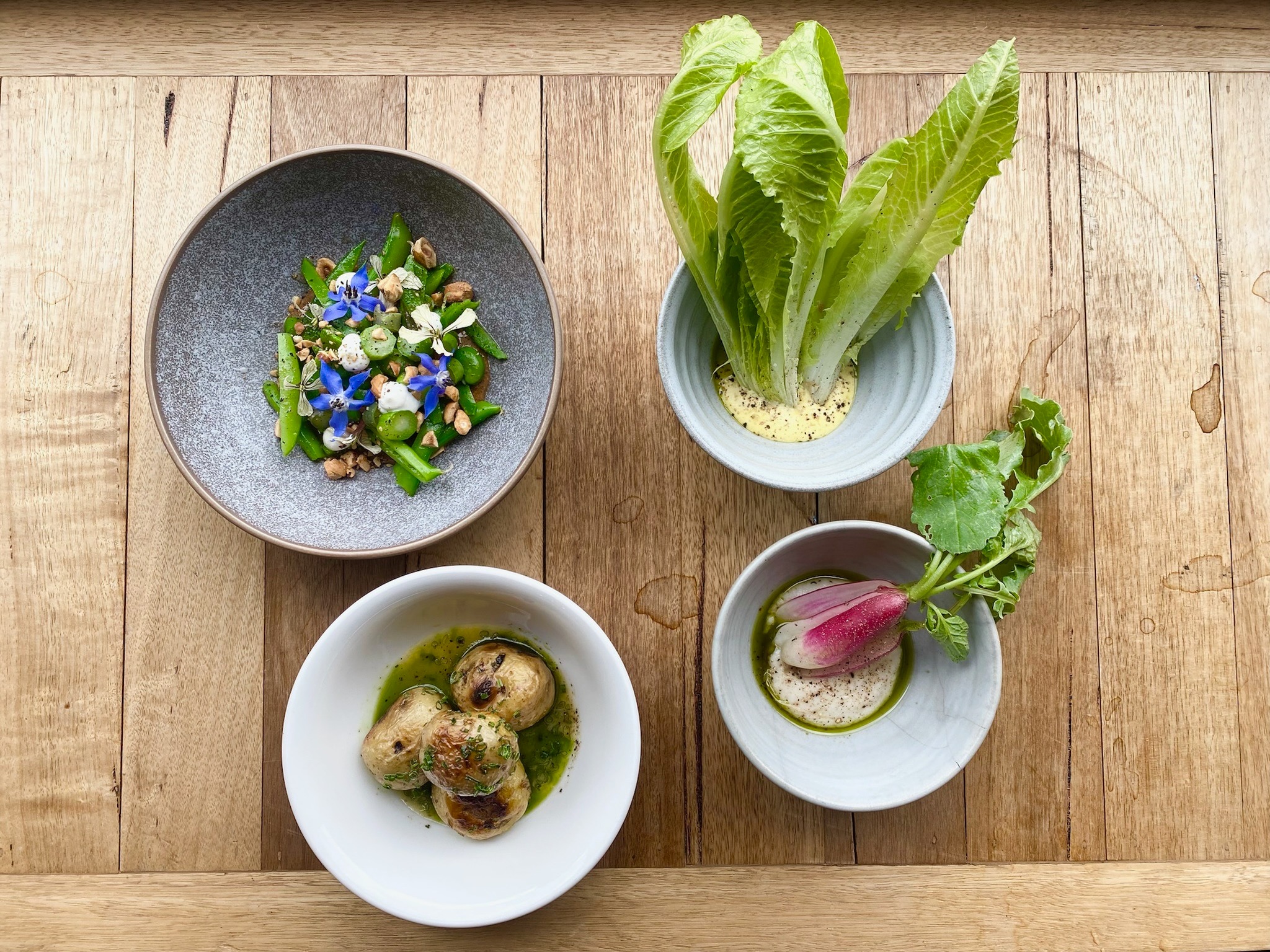
"[But] in the initial stages we want to do food, but just seasonal food because we want to move to an Indigenous culinary experience."
The Agnes Rivulet and surrounding landscape have long been central to local industry and settlement. SETAC's plans seek to connect that history with contemporary tourism, drawing on food, place and cultural interpretation rather than large-scale commercial development.
The size of The Cannery precinct will also provide SETAC with the opportunity to construct leasable spaces, which will support local independent businesses while generating additional cashflow.
"We've also set aside a space there for an Indigenous-led business," Ms Dillon said, "because we want to make sure that one of our Indigenous businesses can operate from here".
Ms Dillon said SETAC also has plans to convert an additional building on site into a working art space and gift shop, where Aboriginal people can demonstrate their expertise and sell their arts and crafts.
They include mob skilled in painting, screen printing, weaving, jewellery making and using animal skins.
"Once we've got the built-in spaces, then we can put our people in there," Ms Dillon said.
"Then we're more self-determining, and we're building some economic security for our community.
"Some of it is to go back into this establishment, but we also want individuals to prosper as well."
For SETAC, the acquisition represents more than a property transaction. It consolidates service delivery, creates physical space for enterprise, and secures a long-term asset in a region where Aboriginal presence has often been overlooked.
Ms Dillon said The Cannery's new chapter under SETAC's ownership is "a recognition of our cultural heritage".
"People don't believe that there's still Tasmanian Aboriginal people in this country," Ms Dillon said.
"So that in itself acknowledges that there are Tasmanian Aboriginal people who are living here and thriving.
"That's really what's important about it, making sure that the cultural heritage is acknowledged."
Fit out of The Cannery is expected to commence early in 2026.



