


Four First Nations scientists have been honoured as winners in Western Australia's Annual Premier's Science Awards.
This year's awards acknowledged 38 individuals over ten categories, with prizes ranging from $10,000 to $50,000.
Among the finalists, seven First Nations individuals were named - their respective work was showcased in a special gala ceremony recently, with four winning their categories.
One finalist was Dr Jessica Buck, a proud Kamilaroi woman and first Aboriginal woman to attain a PhD from the University of Oxford, leads the First Nations Childhood Cancer Research team at The Kids Research Institute Australia. Dr Buck's world-first research program aims to Close the Gap in outcomes for First Nations children with cancer.
Joint winner of the Aboriginal and Torres Strait Islander scientist of the year award was the Inaugural Pro Vice Chancellor of the Ngangk Yira Institute for Change at Murdoch University, Professor Rhonda Marriott AM. A recognised leader in Aboriginal health research, Professor Marriott is descended from Nyikina people of the Kimberley and has over 50 years' experience in nursing and 30 years in midwifery. She has pioneered culturally safe maternal and early childhood health models, notably through the Birthing on Noongar Boodjar Project.
Professor Marriott AM co-authored a study into the over-representation of Aboriginal infants within the WA child protection services, and has always been passionate about advocating for Indigenous children and families - to ensure that there is not another repeat of the Stolen Generations.
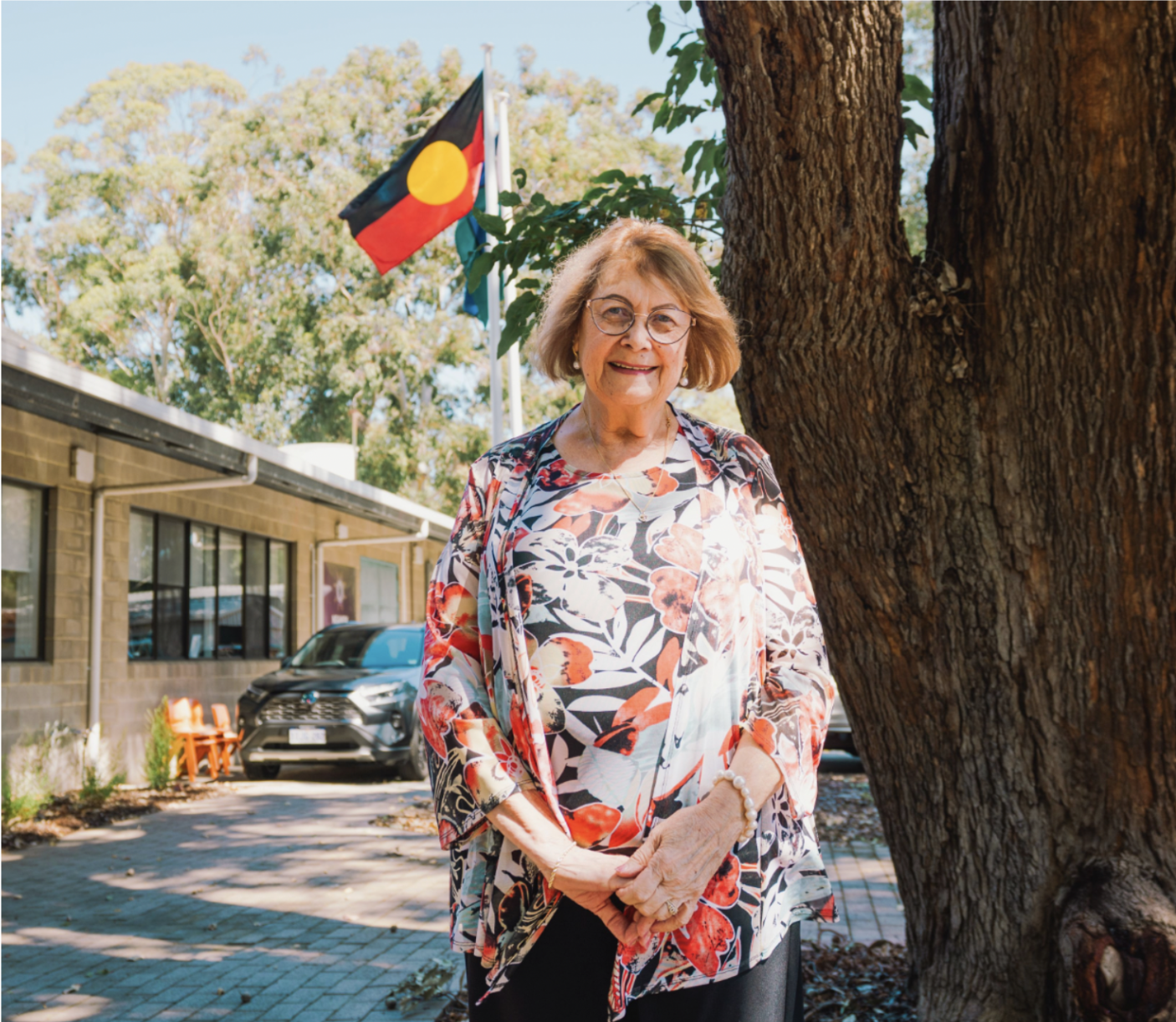
The other joint winner of the Aboriginal and Torres Strait Islander Scientist of the Year Award, was Professor Stephen John Van Leeuwen, a proud Wardandi Noongar man who holds the position of BHP Curtin Indigenous Chair of Biodiversity and Environmental Science.
Professor Van Leeuwen's cultural heritage has guided his lifelong dedication to biodiversity conservation and the importance of Indigenous stewardship of Country. His dedication over four decades has been instrumental in integrating Western science with Indigenous Knowledge to foster effective methods of biodiversity conservation, ensuring sustainable and culturally respectful stewardship of Country.
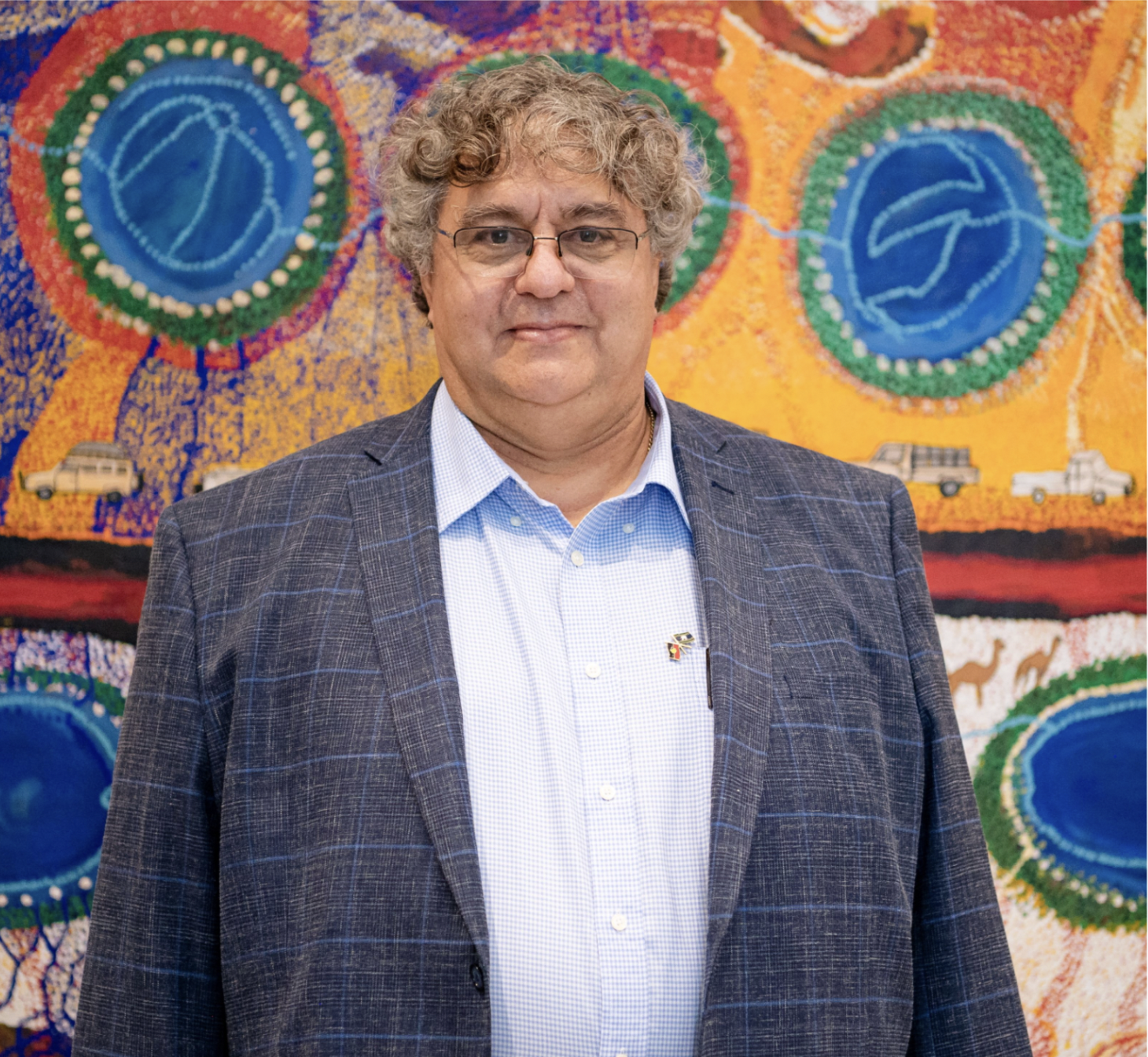
A finalist for the Aboriginal and Torres Strait Islander STEM student of the Year, Jarred Williams, is a young Yamatji student who is in their third year of university who was recognised by the university's School of Engineering and Technology with a letter of Commendation. His success and achievements demonstrate his potential as a future First Nations leader and role model in the STEM community.
Aboriginal and Torres Strait Islander STEM student of the Year, Taleah Ugle has demonstrated brilliance in her academics and community contributions.
"Entering medicine and research allows me to bring my perspective as a Noongar woman into spaces that have historically lacked Indigenous representation," she said.
While completing a Bachelor of Science, Taleah pursued leadership roles as Women's Officer for the UWA Student Guild and Co-Chair of the Referendum Working Group.
"I would like to see Aboriginal worldviews, knowledge systems, and health practices formally recognised and embedded within scientific and medical frameworks, not just acknowledged symbolically or as an afterthought," she said.
Completing two Aurora Foundation internships, she now works as an Aboriginal Research Assistant at The Kids Research Institute Australia with the Healthy Skin and Acute Rheumatic Fever Prevention Team.
"True progress lies in empowering community voices and achieving Aboriginal self-determination in the health sector, where Country, language, and culture are central to care, education, and research," she said.
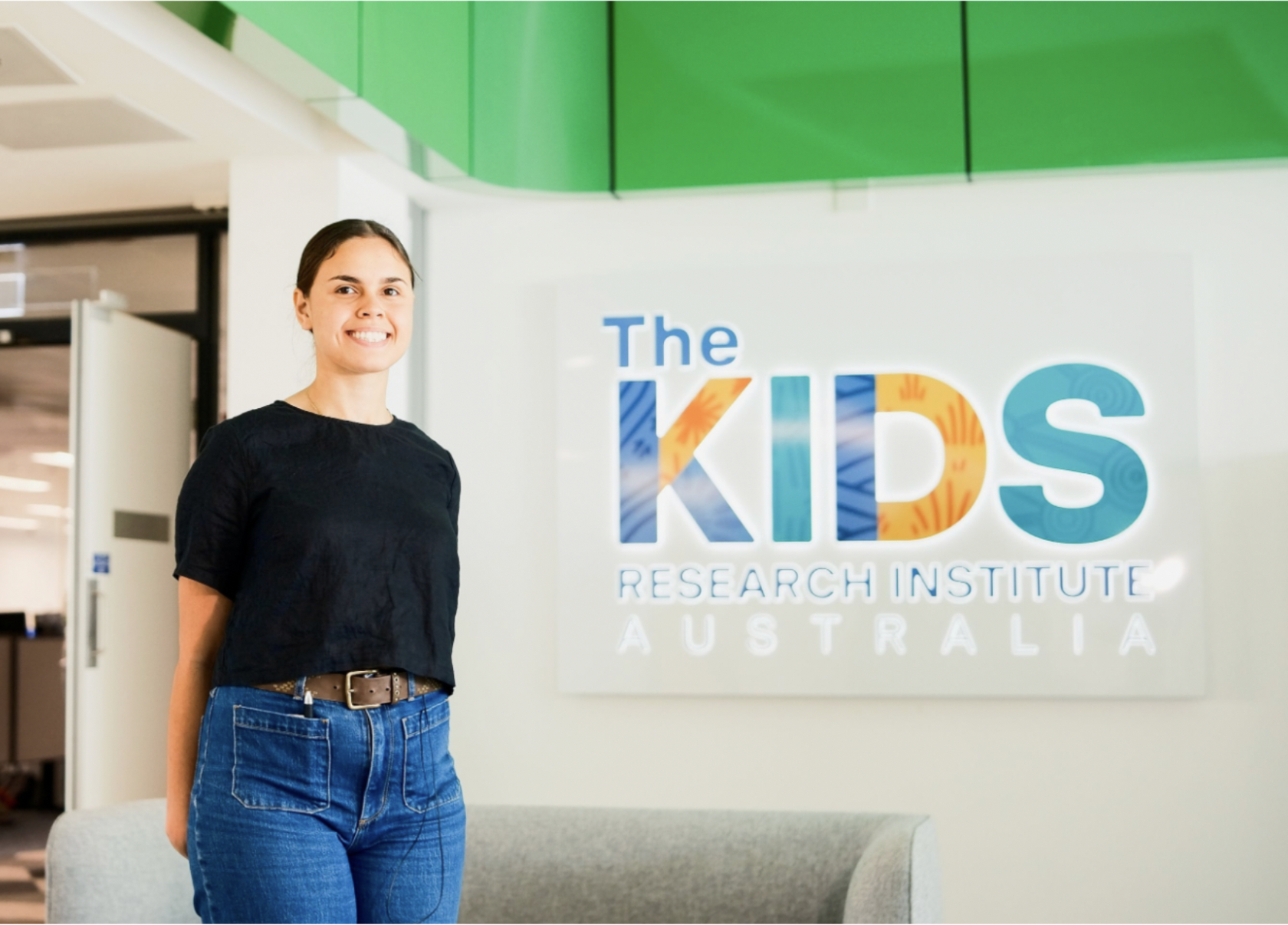
Winner of the Student Scientist of the Year, Shakara Liddelow-Hunt, is a Wajarri post graduate student completing their PhD at the University of Western Australia and The Kids' Research Institute Australia, and is recognised as a national leader in research focused on the mental health of Aboriginal and Torres Strait Islander LGBTQA+ young people.
"One of the priorities in population health and mental health research is addressing inequity... However, there's still not nearly enough research done by us as Aboriginal people," they said.
"Doing that properly requires a workforce of solid Aboriginal and Torres Strait Islander researchers with diverse experiences, knowledge, and qualifications across health topics, and that means more Aboriginal and Torres Strait Islander people completing tertiary education.
"For me, this includes seeing Indigenous epistemologies (ways of knowing) incorporated into qualitative and statistical methods. Aboriginal ways of gathering knowledge are extremely rigorous and thoughtful and I'd love to be able to draw on that more without it being considered 'unscientific'."
Their research is highly responsive to the priorities of their community, always focused on ensuring findings are communicated back to participants and supporters in an appropriate and accessible way that makes a meaningful difference to Aboriginal and Torres Strait Islander LGBTQA+ people.
"The research has been driven by community need and I've focused on working with mob to make sure that the findings are shared in a way that's accessible to young people and community. That's something I'm very proud of," they said.
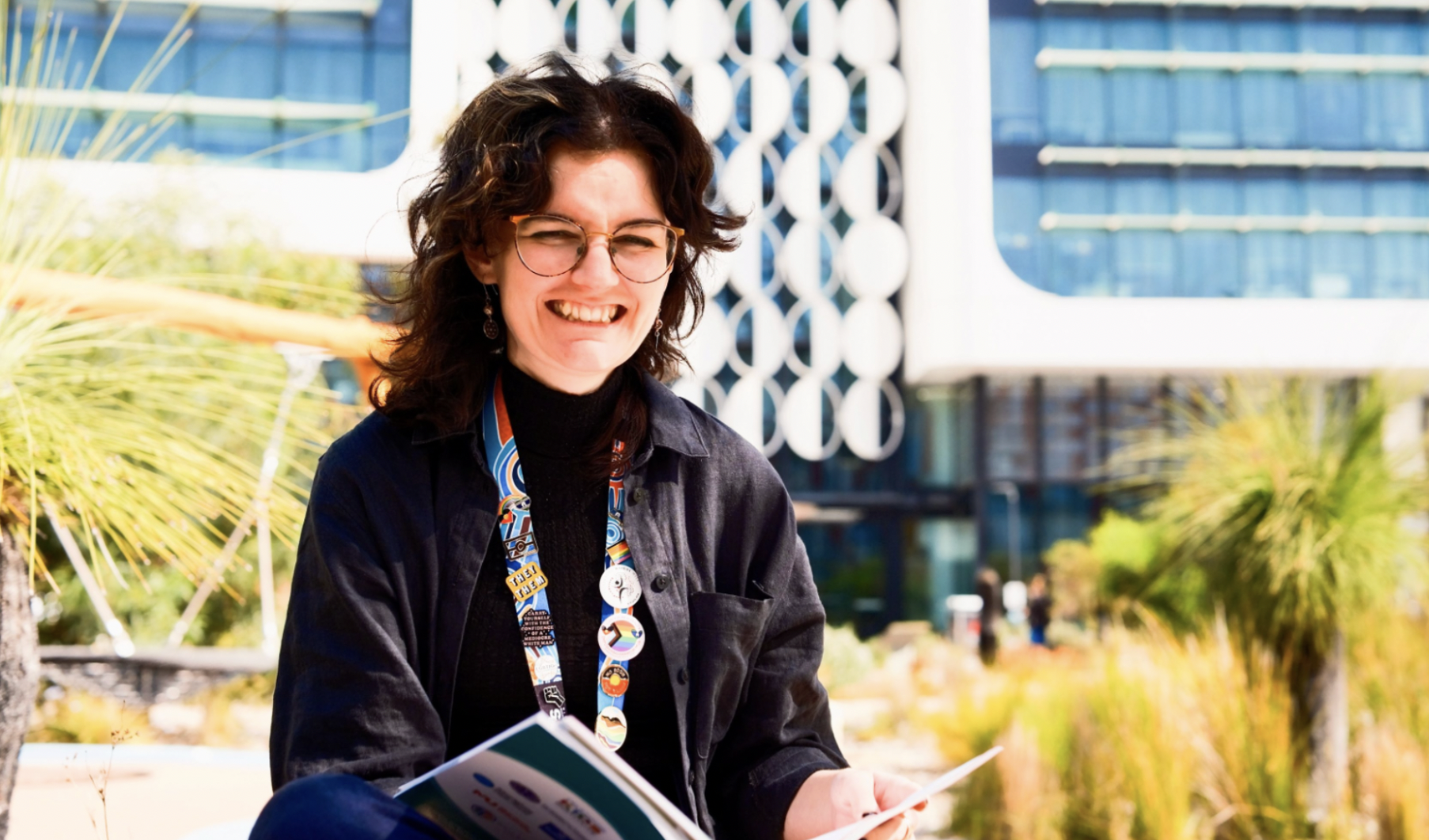
Another finalist was Associate Professor Glenn Pearson, a proud Noongar man, the Director of First Nations Strategy and Leadership, Head of First Nations Health and Equity, co-team lead for the Strep-A Translation Team at The Kids, an Associate Professor at the University of Western Australia. His role at The Kids Research Institute has been integral in amplifying Aboriginal health issues across research programs. He has numerous leadership positions and portfolios among organisations and projects surrounding Indigenous health - his primary area of research is in Rheumatic Heart Disease



