




A parliamentary inquiry examining racism aimed at Indigenous Australians will hear evidence arguing Reconciliation Action Plans (RAPs) are helping reduce workplace racism and improve cultural safety for Indigenous employees.
The Senate inquiry into racism, hate and violence directed at Aboriginal and Torres Strait Islander people will hold hearings in Canberra on Friday, hearing from government departments, the federal police and Reconciliation Australia.
Reconciliation Australia chief executive Karen Mundine is due to appear before the inquiry on Friday, where she will point to findings from the Centre for Indigenous People and Work's (CIPW) new report, 10 Truths about Reconciliation Action Plans.
The report draws on data from the national Gari Yala 2 (Speak the Truth) study of more than 1,100 Aboriginal and Torres Strait Islander workers and compares the experiences of Indigenous employees in organisations with and without RAPs.
Three of the report's findings directly relate to racism and workplace discrimination and will form part of the evidence presented to the inquiry.
According to the research, half of Indigenous workers in organisations with RAPs reported they rarely or never experienced racism at work, compared to 36 per cent of workers in organisations without a RAP.
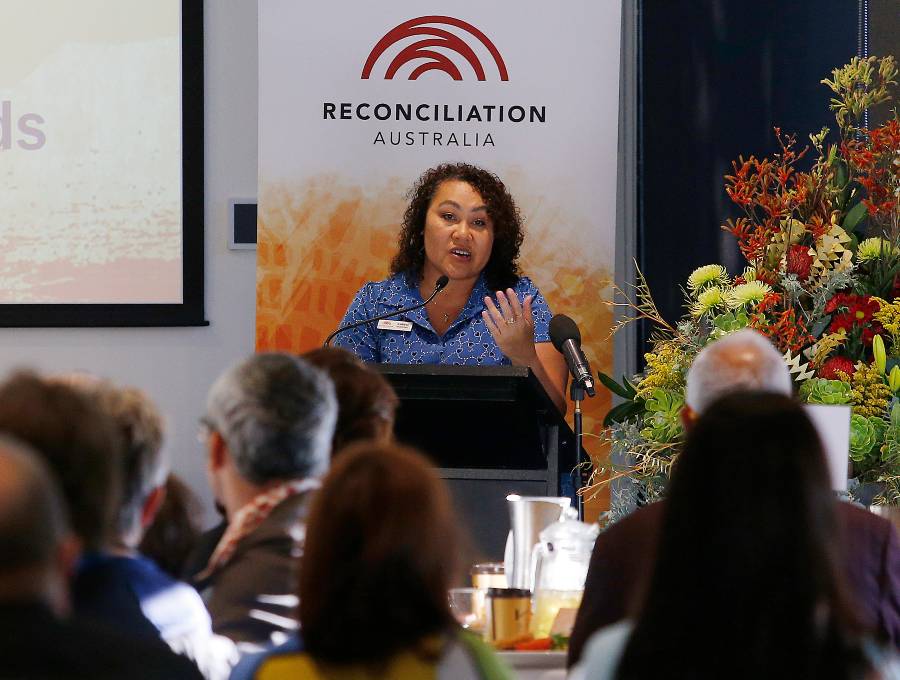
Ms Mundine argued the findings showed how RAPs could help organisations address racism at a structural level, helping them "move from symbolic recognition to meaningful, accountable action".
"They provide a clear framework for embedding anti-racism into policies, practices and organisational culture, which is essential if we are serious about addressing racism in Australia," Ms Mundine said.
The study found Indigenous employees in RAP organisations were more likely to report culturally safe workplaces, with 43 per cent describing their workplace as culturally safe compared to 37 per cent elsewhere.
Organisations with RAPs were also more than three times as likely to have both anti-racism complaint processes and anti-racism training in place, with 34 per cent meeting both criteria compared to 10 per cent of organisations without RAPs.
"We must look beyond rhetoric and embrace evidence," Ms Mundine said. "And these 10 truths provide strong evidence for what helps fight racism in the workplace."
RAPs are working — workers

CIPW director Professor Nareen Young said evidence from the study demonstrated RAPs were delivering tangible outcomes for Indigenous workers.
She argued critics of RAPs — many of whom argue they are implemented to tick boxes rather than to initiate meaningful and lasting change — are ignoring a "central truth": Indigenous workers are themselves saying RAPs are helping to "reduce racism and make them feel safer at work".
"RAPs are not a silver bullet, but they are one of the most practical tools we have to drive change in workplaces," Professor Young said.
"For employers, the key takeaway is that expanding the reach, quality and ambition of RAPs is one of the most effective ways to build fairer, more inclusive workplaces."
Evidence-based response to racism
The inquiry was established by the federal government to examine the continued racism, hate and violence directed at Aboriginal and Torres Strait Islander people and to identify practical responses across workplaces, institutions and the broader community.
Chaired by Mutthi Mutthi and Wamba Wamba woman, Senator Jana Stewart, the inquiry has received hundreds of submissions from government agencies, academics, legal groups and Indigenous organisations.
It comes after a series of high-profile racist incidents, including the alleged terror attack in Boorloo on January 26, the alleged attacks on Camp Sovereignty by neo-Nazis last year, and the booing of Elders delivering a Welcome to Country on Anzac Day.
Professor Young said the hearing provided an opportunity to focus on policies and programs that had been shown to work, arguing it's clear RAPs deliver better outcomes when done "properly".
"The important thing is to continue to make sure they are meaningful, accountable and embedded in everyday practice," she said.
"If we are serious about tackling racism, we need to listen to what our people are telling us, and back in what's working for them."



