


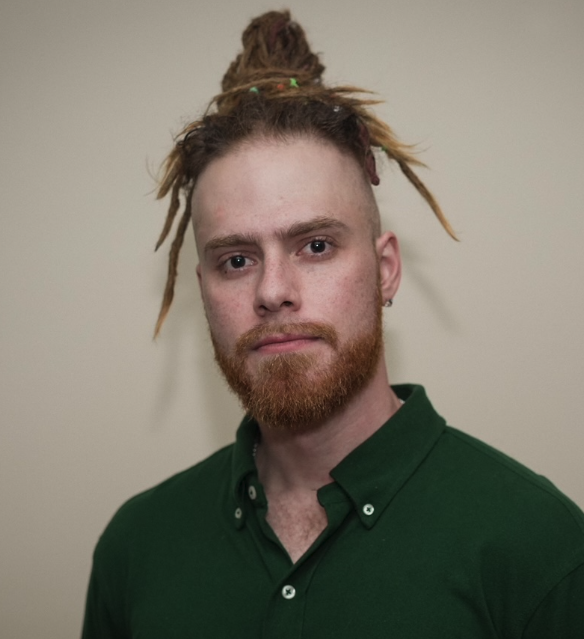

University of Queensland researchers say Indigenous children and young adults are dying from rheumatic heart disease due to 'culturally unsafe' and inaccessible healthcare in Australia.
Mandandanji woman Lorelle Holland, from UQ's Child Health Research Centre, said urgent action centred on Indigenous-led prevention initiatives is required to achieve the goal of eliminating RHD by 2031.
Ms Holland noted the disparity is significant.
"Aboriginal and Torres Strait Islander communities suffer from rheumatic heart disease (RHD) much more than non-Indigenous Australians," she said.
Ms Holland emphasised the importance of addressing structural inequities.
"This research reinforces that programs should address health inequities and the political, social and cultural factors that contribute to the disease," she said.
"Culturally safe healthcare that respects Aboriginal and Torres Strait Islander cultures and perspectives is essential."
She noted that a self-determined approach can help reduce deaths.
"By understanding and tackling RHD in this way, we can help reduce the number of people affected and dying from this condition and empower self-determined health care and prevention programs for Indigenous communities.'"
Rheumatic heart disease is an acquired but preventable condition, with more than 40 million cases recorded worldwide.
It occurs when streptococcus A infects the throat or skin.
If infections are not treated, they can trigger acute rheumatic fever (ARF), which may progress to RHD and cause heart failure or stroke.
Australia has one of the highest known ARF and RHD rates globally, with Aboriginal and Torres Strait Islander communities disproportionately affected.
The RHD Endgame Strategy aims to eliminate the disease in Australia by 2031.
UQ researchers conducted a systematic review of prevention programs designed to prevent, reduce and control RHD.
Yumeng Cai from UQ's School of Nursing, Midwifery and Social Work said the condition is frequent in less wealthy nations yet almost absent in urban, well-resourced areas of Australia, and can be prevented with appropriate healthcare and research.
Ms Cai said Indigenous-led initiatives are crucial.
"To achieve this, we need to focus on Indigenous-led and community-based prevention programs,'" Ms Cai said.
She noted the importance of understanding barriers to treatment.
"We need to address why people do not feel safe going to their local health clinic or hospital for essential treatment."
Ms Cai called for enhanced funding and involvement of Aboriginal and Torres Strait Islander communities.
"We need to prioritise increased funding for improved living conditions, Strep A vaccination, culturally responsive health education and have Aboriginal and Torres Strait Islander peoples and communities at the table concerning the best way to implement ARF and RHD prevention programs," she said.
The research was published in First Nations Health and Wellbeing - The Lowitja Journal.



