



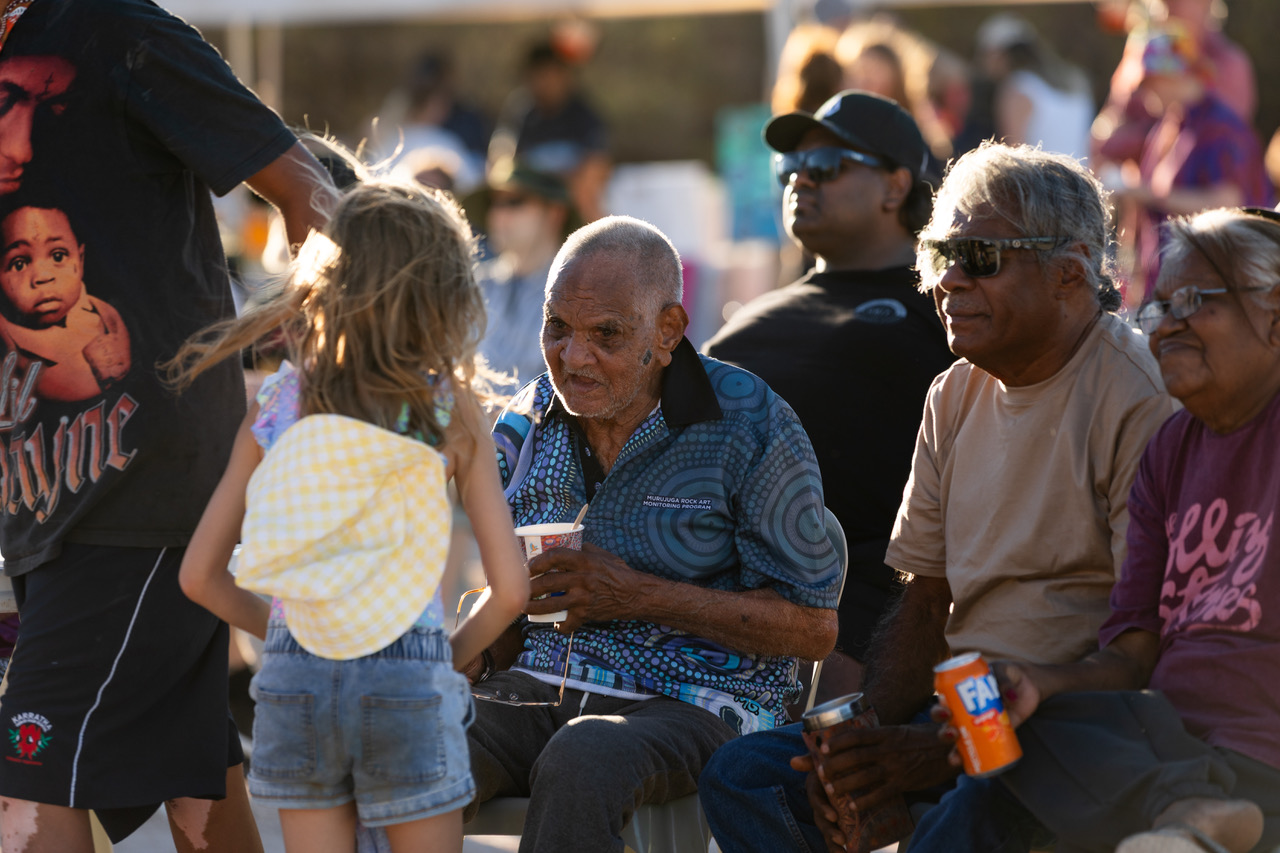
Aboriginal families from across the Pilbara gathered at Hearson's Cove on the Burrup Peninsula, where the bay's afternoon light turns a soft lavender, to mark a moment for which their Elders had waited decades.
Hundreds gathered on the sand on Saturday to celebrate the Murujuga Cultural Landscape's inscription on the UNESCO World Heritage List, a recognition formally granted in Paris in July.
For many, it was the first time generations of Ngarda-Ngarli families had come together since the news.
The Murujuga Cultural Landscape spans about 100,000 hectares across the Dampier Archipelago near Karratha and holds an estimated two million petroglyphs, one of the world's largest bodies of engraved rock art.
Its listing is only the second in Australia to be recognised solely for Aboriginal cultural values, and the first where Indigenous leadership shaped every part of the nomination and management framework.
"Murujuga is not just a place of ancient art, it is a living, breathing cultural landscape, cared for by the Ngarda-Ngarli people for at least 50,000 years," MAC chairperson Peter Hicks said.
"Its significance lies in the ongoing relationship between people, Country and culture, making it one of the most important heritage sites on earth."
Mr Hicks said achieving World Heritage status required overcoming "decades of political, legal, cultural and resourcing hurdles, a journey marked by resilience, advocacy and leadership by our community".
MAC, which represents the combined interests of the Traditional Owner and Custodial groups, shepherded the decades-long push for recognition.
The corporation is now urging governments, industry and the wider public to treat the site's protection as a shared responsibility.
"The protection and ongoing prosperity of Murujuga is a collective responsibility, extending beyond MAC and the Ngarda-Ngarli people," Mr Hicks said.
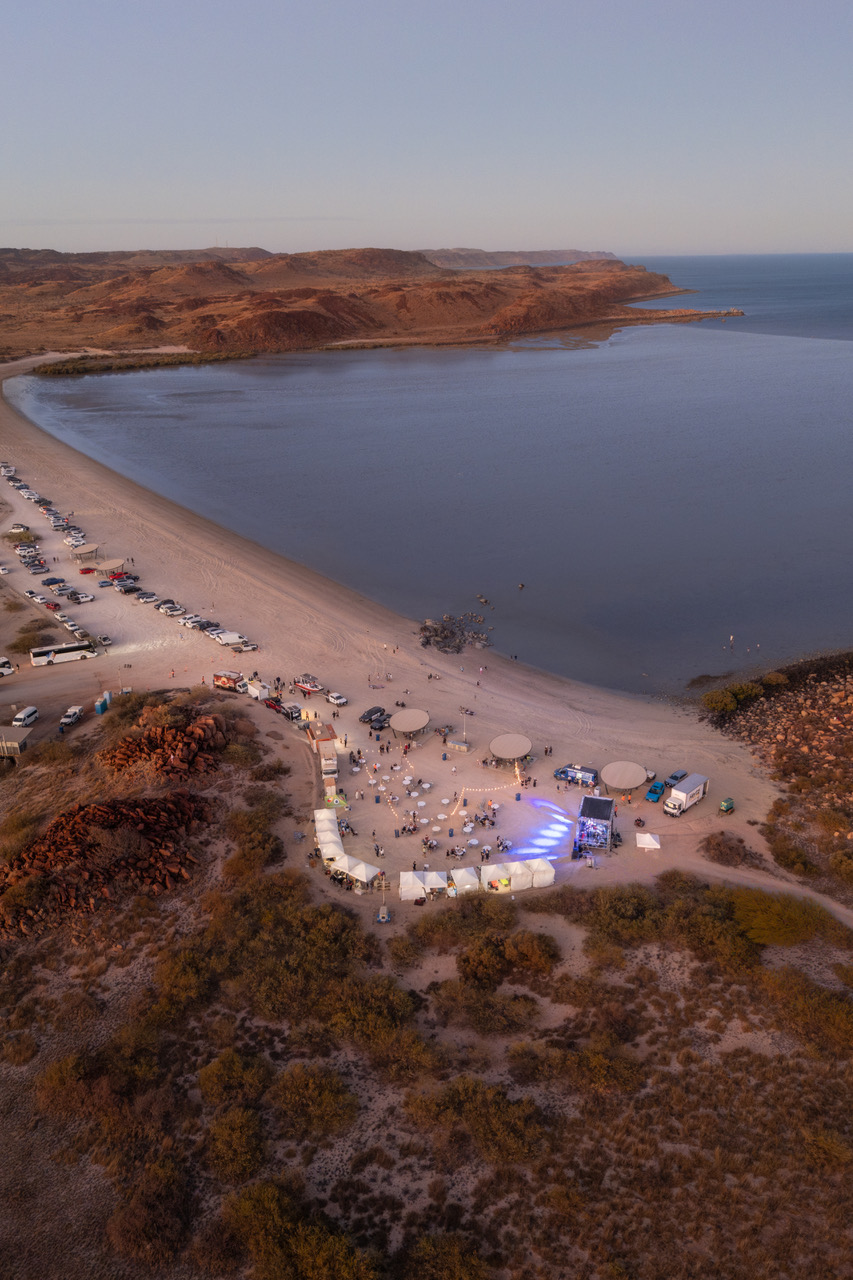
Hearson's Cove on the Burrup Peninsula.
"It requires the commitment of all Australians, including government, industry, media, advocacy groups and the wider community — to safeguard Murujuga's cultural, environmental and economic legacy for future generations."
UNESCO's decision also places a spotlight on Indigenous governance.
The listing affirms that custodianship and decision-making by Traditional Owners must remain at the heart of Murujuga's management — a position many say offers both the WA and federal governments an opportunity to put UNDRIP principles into practice.
As the sun set over Hearson's Cove, children played along the shoreline and Elders sat beneath shade tents watching the light change over the peninsula's stone.
For the families who gathered, the moment was as much about the future as the past.



