



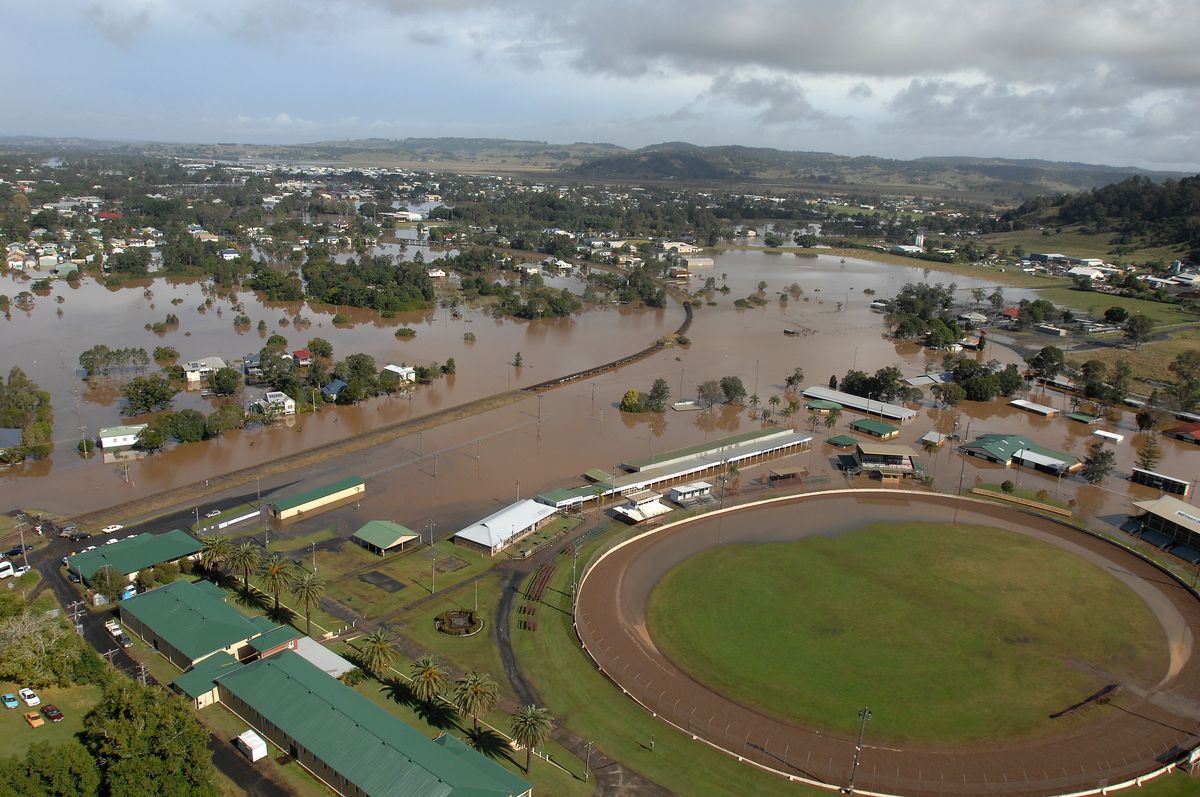
More than 300 people are expected to explore First Nations leadership and expertise in disaster resilience in the flood-prone northern NSW town of Lismore, on Bundjalung Country, this week.
Euahlayi man and National Indigenous Disaster Resilience research lead Bhiamie Williamson said "it's time to have a coordinated, integrated, whole of system response to better support our mob".
"What we're trying to do is Indigenise disaster resilience…so what does disaster resilience look like, what does it sound like, what does it feel like if it's designed and defined by our people?" Mr Williamson told National Indigenous Times ahead of the event.
NDIR operates within Monash University Sustainable Development Institute's Fire to Flourish program. Their event, described as an "immersive On country conference" promises an open forum for discussion on mitigation, hazard reduction and caring for Country, to immediate disaster relief and long-term implications, starting Tuesday.
"It's a coming together of Aboriginal and Torres Strait Islander communities, organisations and leaders with the emergency management and disaster resilience sector from across Australia," Mr Williamson said.
"We aren't prescriptive about what people can and can't talk about. We're all about bringing communities to represent themselves and talk about their own priorities."
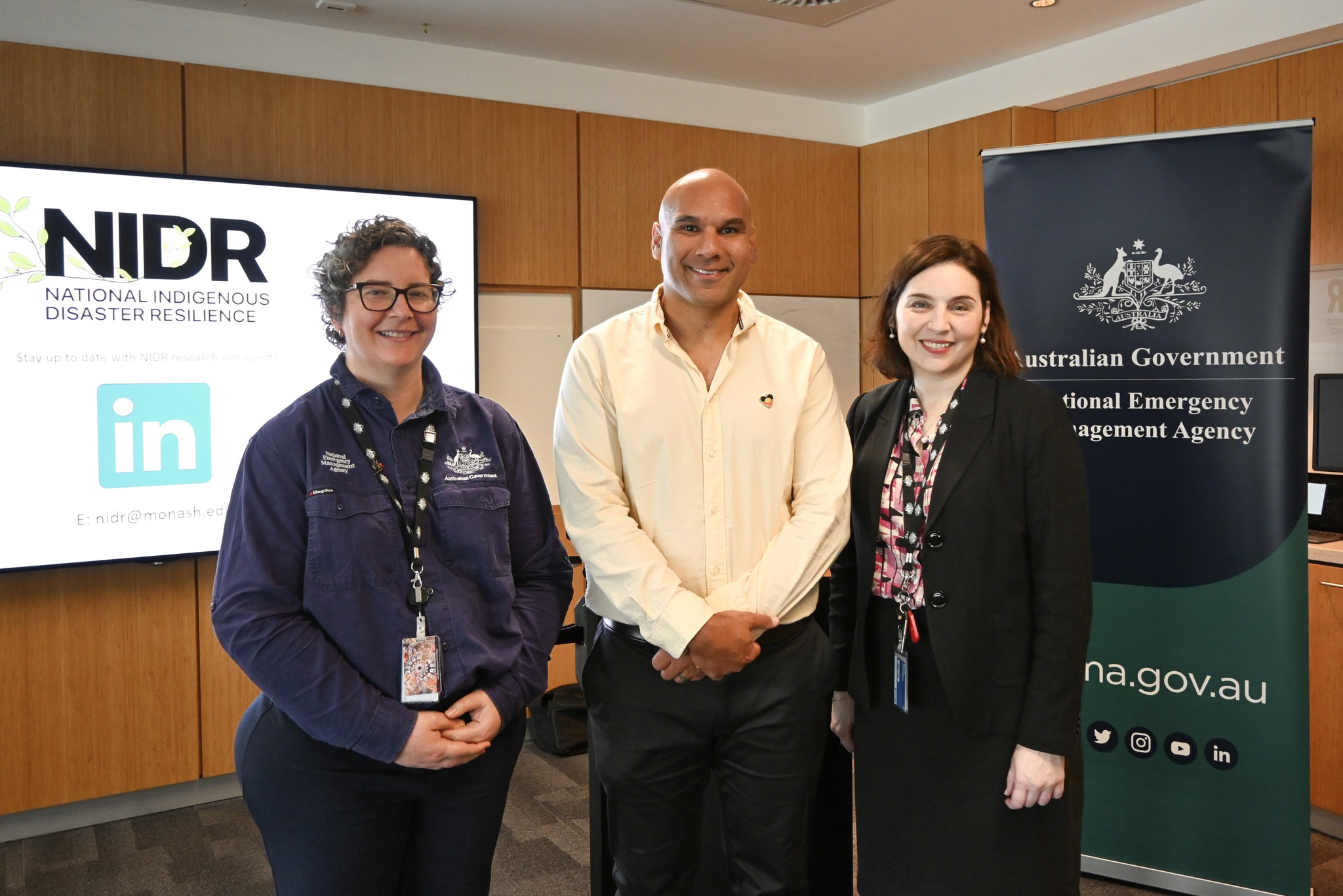
Community leaders, experts, sector, government and non-government representatives are on the list of attendees.
Mr Williamson said "it's plainly obvious to me that our communities, our organisations, are really isolated from the disaster and emergency management arrangements in this country".
"We're about changing the system…we're about centering the strengths of Aboriginal and Torres Island communities and making the emergency arrangements fit around the existing strengths of our communities and organisations, rather than our organisations and communities fitting into a system that was designed without them," he said.
The gathering offers an opportunity for varying bodies and people involved in disaster management to learn from one another.
"They can form those connections, they can address those gaps and have those conversations and robust relationships. Because when a big emergency unfolds and shit hits the fan, those relationships are the things that matter most," Mr Williamson said.
In an earlier announcement of the event, Fire to Flourish chief executive Professor Briony Rogers stated "there is so much knowledge to be gained and by listening deeply we can improve the structures and processes of our emergency management and disaster resilience for everyone".
According to Mr Williamson, the percentage of Local Government Areas to experience disaster-like events since 2019 is above half.
Earlier this year, he told National Indigenous Times, from his background in ranger programs in the ACT and northern Australia, Indigenous knowledge could have a strong impact on the way Australia handles climate change.
"Perhaps the solutions and innovations can lie in our deep past," he said in March.
His position was much the same when it comes to floods, which Mr Williamson said are the most expensive, longest-lasting and hardest to respond to type of hazard - like the historic water levels which devastated Lismore in 2022, yet to be fully recovered from.
"There is a wealth of opportunity to bring our own knowledge, our own wisdom, our own ways of being, knowing and doing and caring for country, and our own community, that the disaster and emergency space can learn from," Mr Williamson said.
Integration of Indigenous-led management could also prove a cost-benefit, he stated.
"The lion's share of funding in the disaster sector is in the recovery of communities who have been impacted. We certainly advocate for grabbing money from that part of the cycle and reinvesting it at the front, because it reduces the cost overall.
"We've heard of justice reinvestment. What we need now is disaster reinvestment."
The NDIR Gathering takes place at Lismore Showgrounds September 24-26.



