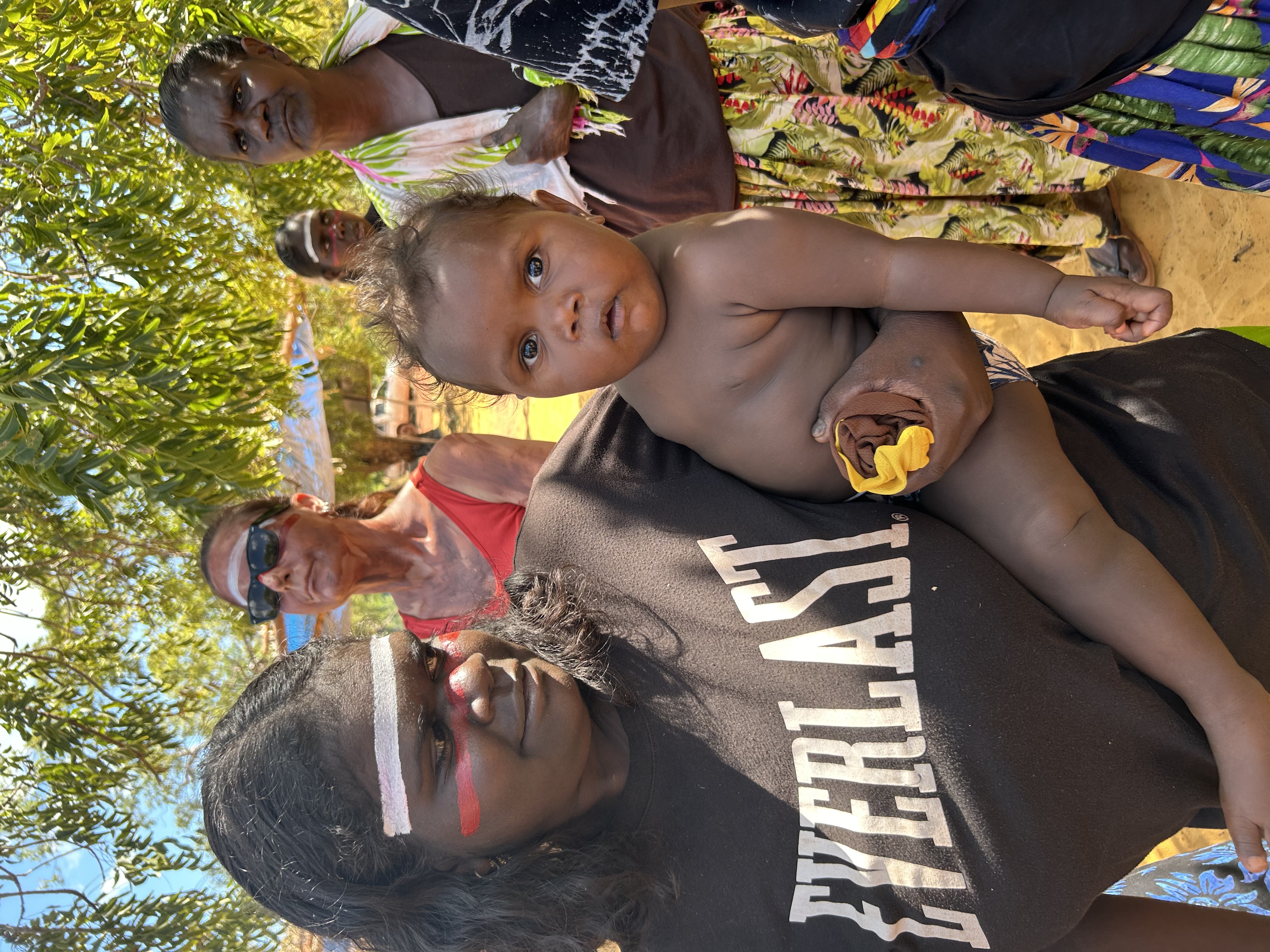

More First Nations families now have access to culturally safe maternal healthcare in North East Arnhem Land thanks to a growing workforce of Djäkamirr.
Djäkamirr are First Nations skilled companions and caretakers of pregnancy and birth, who use both Yolŋu and western knowledge to support women in Birthing on Country.
First Nations women and their babies experience poorer health outcomes compared to non-Indigenous mothers and their babies. The rate of preterm birth in First Nations mothers is almost double that of non-Indigenous mothers (14.1 per cent in First Nations mothers, compared with 7.9 per cent in non-Indigenous mothers in 2021).
The federal government said in a statement on Sunday that as part of its commitment to Closing the Gap, it is investing $6 million in funding in the Djäkamirr Birthing on Country Project in Galiwin'ku.
Birthing on Country models of care, such as the Djäkamirr Project, contribute to improving Closing the Gap, in particular Target 2 - By 2031, increase the proportion of Aboriginal and Torres Strait Islander babies with a healthy birthweight to 91 per cent.
As well as improving maternal health outcomes and seeing more babies born at healthy birthweights, the Djäkamirr Project aims to boost long-term employment opportunities for local health workers.
Assistant Minister Malarndirri McCarthy visited Galiwin'ku on Wednesday 19 June to meet the graduates of the Djäkamirr Project. She also attended the Yota Dokitji – New Birth Galiwin'ku Knowledge Exchange and Project Showcase event.
Associate Professor Elaine Ḻäwurrpa Maypilama said "the women from Galiwin'ku feel strongly in our hearts that our knowledge can guide the way, and together with Balanda we can make change for our mothers, babies and families".
"We thank Assistant Minister McCarthy for coming to our lands and being present for knowledge sharing. We ask our message and our knowledge be shared with the change makers in Canberra, the Prime Minister and the Health Minister. We need you listen to our voices," she said.
"Our future generations of Yolŋu women and babies will thrive and flourish if we use our rich ancestral knowledge and build a strong future. We know our community can walk a strong path forward together."
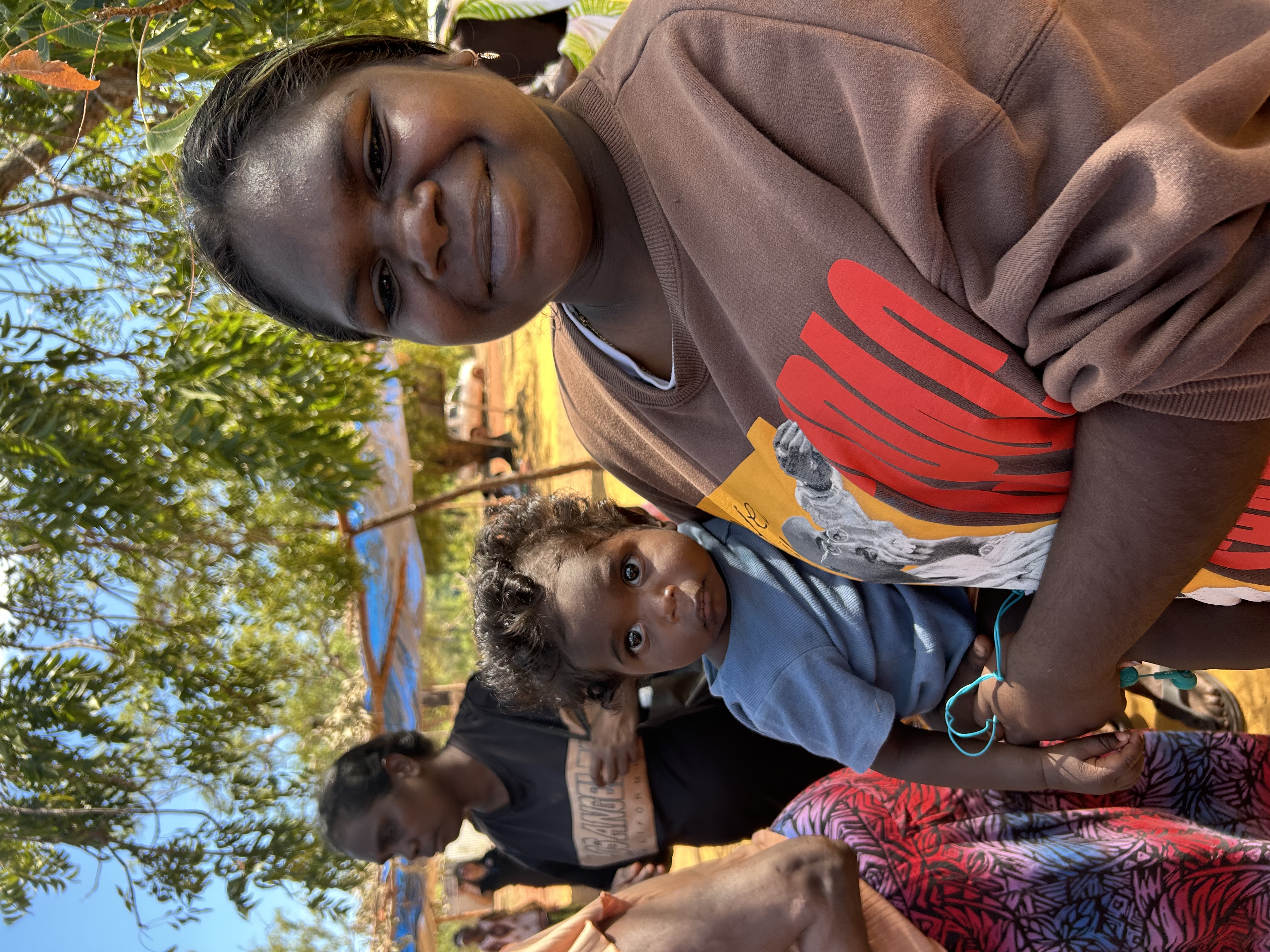
The Djäkamirr program is funded as a part of the Australian government's investment of more than $32 million for Healthy Mums Healthy Bubs budget measure to grow the maternity health workforce and support Birthing on Country.
Senator McCarthy said the government's commitment to Birthing on Country is "a key part" of Closing the Gap in maternal health care.
"We know that Birthing on Country contributes to better health outcomes for First Nations mothers and babies, including a 50 per cent reduction in preterm birth rates," she said.
"Djäkamirr are essential to make sure the Yolŋu cultural ways are passed to the next generation of pregnant Yolŋu women."
Molly Wardaguga Institute for First Nations Birth Rights director of research and innovation, Professor Sue Kildea, said the initiative provides governments with an opportunity to ensure reproductive health justice for Yolŋu women and families.
"It is an absolute game changer that is likely to have lifelong impact and change the way we deliver services across Australia – a landmark in cultural recognition and the blending of western and Yolŋu knowledges and culture," she said.