


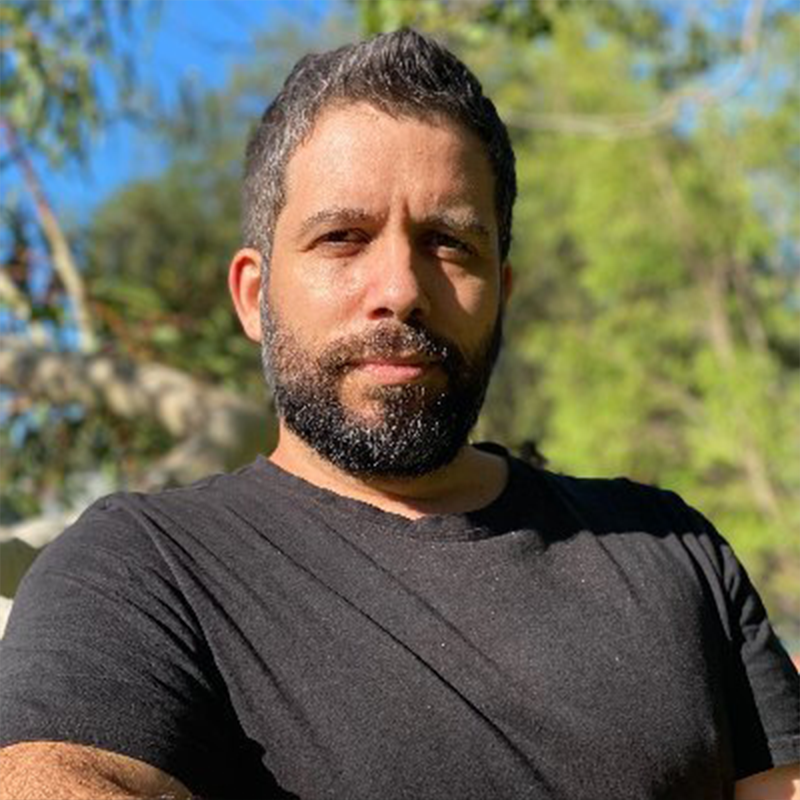

On Tuesday March 24, Whadjuk, Ballardong and Yued Nyungar man Devon Cuimara wrote to Western Australian Premier Roger Cook raising his concerns about the State Government's response to the attempted bombing of the Invasion Day rally in Boorloo/Perth on January 26.
Mr Cuimara, Founder and chief executive of the Aboriginal Males Healing Centre, followed up the correspondence with a call to the Premier's office. As of close of business Thursday, 23 April, he had received no response.
"I'm concerned about the ongoing lack of communication from the Premier and his office. Despite multiple attempts to obtain clarification and accountability, the Premier and his team have not responded, suggesting they are not addressing the significant issues affecting our Nyungar community," Mr Cuimara told National Indigenous Times.
"The failure to acknowledge and, more critically, to take action contrasts sharply with the urgency of the matters presented.
"Our expectations are clear: we seek timely, transparent, and responsible communication from those who hold positions of public leadership. I look forward to making the Cook Government accountable and responsible for its ineffectiveness for and on behalf of Indigenous people and our communities."
Mr Cuimara said that the state government's failure to activate the Emergency Management Act 2005 (WA) on 26 January, following what was clearly a targeted act of violence against the Nyungar people, has "denied our community access to a fair and lawful process".
"The Act exists to ensure that when a serious threat to life, safety, or public order occurs, the State must respond with urgency, coordination, and statutory protections. By not declaring an emergency or initiating the mechanisms available under the Act, the Government prevented the activation of critical powers, including coordinated victim support, mandated interagency response, and transparent reporting obligations," he noted.
"This omission has had real consequences. It has denied the Nyungar community procedural fairness, denied us access to the protections that should have been triggered automatically, and denied us the right to a clear, accountable process for assessing risk, harm, and recovery."
Mr Cuimara said the lack of action compounded the trauma of the event and raised serious questions about the consistency, equity, and cultural safety of the State's response practices.
"We continue to seek a formal explanation from the Cook Government for why the Act was not activated and why the Nyungar community was left without the statutory safeguards it should have provided as a matter of course," he said.
Premier Cook told National Indigenous Times he understands "there is anxiety across our community, especially amongst Aboriginal Western Australians, about the act of terror alleged to have taken place on January 26".
"That's why I attended the Reclaim the Space rally and have spoken to a range of community leaders, including Federal Indigenous Australians Minister Senator Malarndirri McCarthy, WA Police Commissioner Col Blanch, officers and members of the WA Aboriginal community including event organisers of the January 26 event, to discuss how we can build from this incident," he said.
"The discussions were positive, and I look forward to continuing to work with the group on ways we can heal and bring the community together."
Mr Cuimara told National Indigenous Times that "gestures" from the WA government "presented as acts of unity and reassurance ... cannot be viewed in isolation from the Government's broader response to the events of 26 January".
"In the context of a (alleged) racially motivated terrorist attack, these symbolic actions, I perceive as patronising and as diverting attention from the Cook Government's failure to meet its duty of care," he said.
--------------------------------------------------------------
Mr Cuimara's March 24 letter is published in full below.
Dear Premier Cook,
My complaint concerns the Western Australian State Government's inept failure to provide culturally appropriate aftercare following the (alleged) attempted terrorist bombing at the Boorloo Invasion Day rally for the Nyungar People.
The delay in providing timely and appropriate support after this incident underscores a serious breach of the duty of care expected of the Western Australian State Government and related statutory bodies.
This oversight is not merely a mistake but rather reflects Nietzsche's (1887) concept of the "weary master" concerning the ongoing support and welfare of the Nyungar community.
This failure reflects systemic racism embedded in decision‑making processes that continue to deprioritise Indigenous safety and well-being. As a direct consequence, the Office of State Security and Emergency Coordination (OSSEC) was not notified promptly. As a result, it could not initiate its mandated coordination, threat assessment, and emergency response functions.
The absence of formal activation prevented cross‑government mobilisation, delayed protective and aftercare measures, and left affected communities without immediate, culturally safe support.
Emergency management frameworks rely on early activation to trigger information sharing, inter‑agency coordination, and community protection. The failure to recognise the attack as warranting an emergency response demonstrates a structural blind spot in how violence against Indigenous people is assessed and escalated.
This omission was not neutral; it delayed action, compounded trauma, and breached the State's duty of care to Nyungar people.
Such a view treats the lives and safety of the Nyungar people as burdensome responsibilities rather than essential obligations of the WA government.
The inadequate provision of timely and culturally appropriate support for survivors and witnesses has resulted in Indigenous people lacking immediate access to Indigenous-led trauma care, legal assistance, and practical services. Consequently, Indigenous people have been compelled to rely on under-resourced grassroots initiatives.
The failure to prioritise safety in planning and prevention, exemplified by the absence of proper threat assessments and event protection protocols, did not adequately account for the lived experiences of Nyungar individuals, thereby exposing them to foreseeable harm.
Token gestures and slow official responses reveal a worrying trend of prioritising bureaucratic processes over the real needs of people. Superficial promises replace urgent, practical help. Additionally, the lack of meaningful consultation shows that decisions about security, communication, and recovery have been made without genuine input from Nyungar leaders. This approach continues to enforce a paternalistic attitude.
In official discussions, the language used often separates and undermines the Nyungar community, treating them as just a "problem group" instead of recognising them as citizens entitled to respect and protection. This approach reinforces our exclusion.
Responses that prioritise security over community safety have led to more visible policing and surveillance without getting the community's consent or providing necessary support for trauma. These actions create an atmosphere of suspicion and hurt the solidarity needed to build healthy relationships within the community.
Institutional responses often overlook the historical trauma experienced by the Nyungar people and ignore the lasting effects of colonisation and state violence. Currently, a general approach is used to address survivors' needs, but it does not address their specific issues. This has caused more trauma and increased fear of speaking out and protesting. It has also weakened trust in the institutions meant to protect the Nyungar community.
As a result, this situation deepens the community's marginalisation and harms their ability to maintain safety and make decisions for themselves.
The government needs to give a formal public apology that admits its failure to provide important aftercare and recognises the damage caused by its responses. It is important to conduct an independent inquiry led by Nyungar-appointed leaders.
This inquiry should have the power to gather evidence and focus on preventing issues, responding to them, and holding people accountable.
We need to provide immediate funding for Nyungar-led aftercare programs that include trauma counselling, legal support, community safety planning, and outreach programs that respect their culture.
Additionally, we must create safety and communication plans together to make sure Nyungar voices are part of every stage of planning for future events.
Additionally, mandatory cultural safety and anti-racism reforms must be implemented across statutory bodies, accompanied by accountability and independent oversight.
Our commitments should prioritise reparative actions that extend beyond temporary solutions, addressing the structural inequities present in health, justice, and community services.
The State has a responsibility to care for the Nyungar people, which needs urgent attention, sincerity, and the right resources. Treating the Nyungar as a burden rather than as partners with rights adds to past unfairness.
To create real safety and healing, we must move away from controlling methods and support Nyungar leadership. We should focus on openness and accountability and commit to these goals in the long term.
Additionally, the Department of the Premier and Cabinet established the Office of State Security and Emergency Coordination to improve counterterrorism and emergency management in Western Australia. The office's designated role is to engage with the Australian Government on national security matters and to facilitate cross-government coordination. The establishment of OSSEC seems contradictory after the attempted bombing at the Boorloo Invasion Day rally. Its role in safeguarding the community and managing emergency responses should focus on its effectiveness in protecting vulnerable individuals.
The experiences of Nyungar people post-attack, marked by delayed aftercare and inadequate culturally appropriate support, highlight that institutional frameworks have not yet provided meaningful protection.
The public documents from OSSEC highlight the importance of threat assessment, reporting channels, and national coordination. However, these systems did not stop a targeted act of political violence and did not provide immediate, culturally appropriate support for those affected. The emphasis on security measures without considering cultural safety reveals a significant flaw in the documents and guidelines. They focus mainly on surveillance, reporting, and protecting "crowded places," but overlook Indigenous perspectives and trauma-informed responses.
This security-based approach can further marginalise communities that are already under state control.
It is essential that the State, along with its statutory bodies, recognises its duty of care to all citizens. This responsibility is particularly critical considering historical dispossession and intergenerational trauma.
The failure to provide immediate, Nyungar-led aftercare and the neglect to co-design safety and recovery measures in collaboration with the community represent significant breaches of trust rather than mere bureaucratic oversights. Such omissions contribute to the perpetuation of othering and the retraumatisation of individuals.
It is imperative to issue a public and formal apology that acknowledges these failures in protection and the provision of timely, culturally appropriate aftercare. An independent and culturally proficient inquiry, led by Nyungar leadership and endowed with the authority to compel evidence, will focus on prevention, response, and institutional accountability.
There is an urgent need to allocate resources immediately to Nyungar-led healing and safety services, encompassing trauma counselling, legal assistance, and community safety planning. Furthermore, it is essential to design security and emergency protocols collaboratively, ensuring that future threat assessments, event planning, and communications are governed by and accountable to Nyungar communities.
The process should prioritise transparent reporting, implement measurable reforms within the relevant office and associated statutory bodies, establish clear timelines, and ensure independent oversight.
An office focused on coordinating state security must be evaluated on its effectiveness in safeguarding the most vulnerable populations and restoring safety and dignity in the aftermath of violence.
If the Premier's office, WAPOL and the Office of State Security and Emergency Coordination (OSSEC) don't move beyond bureaucratic language and take prompt, culturally sensitive action, their efforts will continue to seem contradictory to those still dealing with the aftermath of the attack.
When trauma is not addressed promptly, particularly in communities already burdened by historical and intergenerational violence, the consequences pile up. Indigenous individuals with psychosocial disabilities often face delays in care and barriers to accessing support, which can make their problems worse.
These issues can increase distress and lead to more social and functional exclusion. As a result, Indigenous individuals suffer disadvantages in health, justice, housing, and social services.
From a human rights and disability standpoint, not providing timely and appropriate trauma-informed support can be seen as indirect discrimination. This is because it disproportionately affects Indigenous people, whose disabilities and trauma are closely linked to colonisation, systemic racism, and past harm caused by the state.
Without immediate help, these individuals are more likely to experience further difficulties:
• escalation of mental health distress and disability related impairment
• increased contact with coercive systems, including policing and detention
• reduced access to culturally safe supports and reasonable adjustments
• further marginalisation and erosion of self-determination
The risk of ongoing harm is real. When emergency responses lack immediate aftercare, culturally appropriate healing paths, and support for disabilities, harm becomes a lasting issue.
Inaction isn't neutral; it continues the cycle of harm. To stop further discrimination, we need urgent responses that are led by Indigenous people and are sensitive to trauma. We must recognise psychosocial disability as both a health and human rights issue. It is essential to address trauma right where it happens instead of pushing care into already overloaded systems.
Under the Disability Discrimination Act 1992, psychosocial disability includes issues related to trauma and mental health conditions. If Indigenous people with long-term psychosocial disabilities do not receive timely and appropriate support after a terrorist attack, this can be seen as indirect discrimination.
Failing to provide immediate, accessible, and culturally relevant support affects Indigenous people more because their disabilities are tied to historical and ongoing trauma. Without timely help, their disabilities may worsen, leading to more challenges and limiting their access to services, support, and participation.
Such outcomes are inconsistent with the Act's requirement to ensure equality of access and reasonable adjustments for people with disabilities.
Australia's obligations under the Convention on the Rights of Persons with Disabilities (CRPD) require States Parties to ensure that persons with disabilities have access to timely, appropriate health services, including mental health and trauma-informed care, without discrimination. Where immediate trauma treatment is not provided following a mass violence event, Indigenous people with psychosocial disabilities face heightened risk of prolonged harm, deterioration of mental health, and increased exposure to coercive systems. This undermines rights protected under the CRPD, including:
• the right to the highest attainable standard of health
• the right to live independently and be included in the community
• the right to freedom from exploitation, violence, and abuse
In situations where trauma is foreseeable and remains unaddressed, inaction may constitute a failure to safeguard against further harm, particularly for populations already facing structural disadvantages.
The Closing the Gap Priority Reforms obligate governments to transform service systems by embedding culturally safe, trauma-informed methodologies and addressing the structural determinants of inequity. The failure to provide immediate, Indigenous-led trauma responses following an alleged terrorist attack risks perpetuating the systemic harms that the Priority Reforms aim to dismantle.
Delayed or culturally unsafe responses may entrench discrimination by:
• Reinforcing crisis-driven, punitive responses from the system
• Increasing contact with the justice system for individuals with untreated psychosocial disabilities
• Undermining community-controlled solutions and self-determination
These outcomes are inconsistent with Priority Reform One, which highlights formal partnerships and shared decision-making, as well as Priority Reform Two, which focuses on building the community-controlled sector, especially when Indigenous communities are optimally positioned to lead healing initiatives.
Within the frameworks of disability, human rights, and the Closing the Gap initiative, the absence of immediate, culturally safe trauma treatment following the initial (alleged) terrorist attack on the Boorloo Invasion Day risks perpetuating discrimination and compounding harm for Indigenous individuals with intergenerational psychosocial disabilities.
Addressing this concern necessitates urgent, Indigenous-led, trauma-informed responses that acknowledge psychosocial disability as both a health and a human rights issue. The lack of immediate, culturally appropriate trauma treatment after the initial alleged terrorist attack on the Boorloo Invasion Day rally poses a significant risk of perpetuating discrimination against Indigenous individuals with intergenerational psychosocial disabilities.
This situation contravenes the Disability Discrimination Act 1992 (Cth), Australia's obligations under the Convention on the Rights of Persons with Disabilities, and the Closing the Gap Priority Reforms. Delays and challenges in getting trauma-informed care impact Indigenous populations more than others. Their mental health issues are often linked to historical and ongoing trauma. These challenges not only make their situations worse but also limit their access to essential services, putting them at greater risk of being treated unfairly.
When no action is taken, it can feel like indirect discrimination and a violation of their right to good health, protection from harm, and culturally appropriate support. These circumstances oppose the goal of reducing structural inequality, providing culturally safe services, and supporting Indigenous-led healing and self-determination.
Regards,
Devon Cuimara



