



Having Aboriginal and Torres Strait Islander peoples in the health sector leads to better health outcomes for mob, a sector peak boss says.
It's why a scholarship supporting Indigenous students and trainees entering the workforce is an important one.
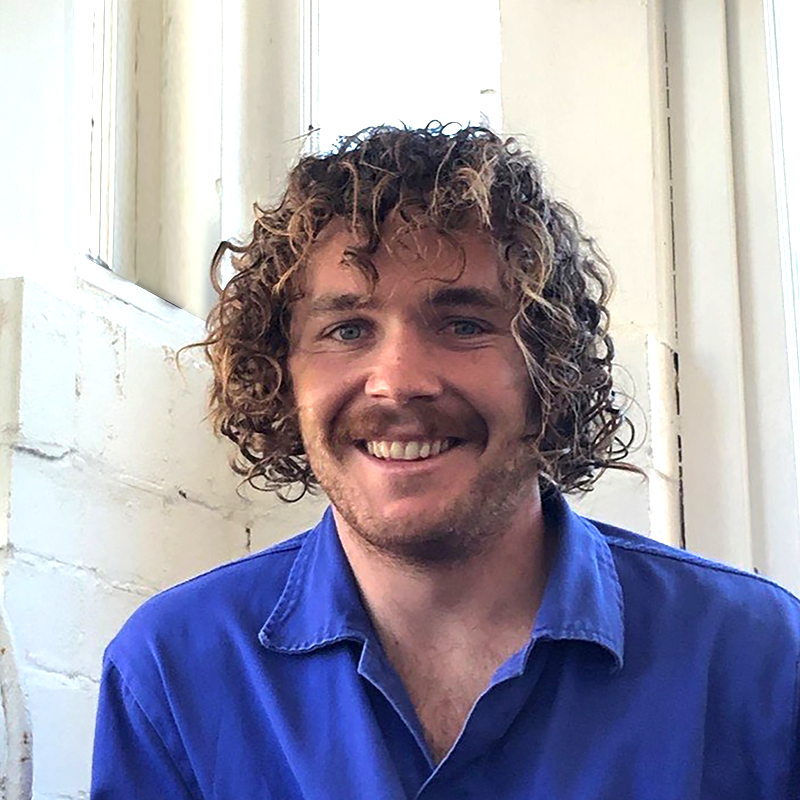
Kuku Yalanji man Karl Briscoe is chief executive of National Association of Aboriginal and Torres Strait Islander Health Workers and Practitioners (NAATSIHWP).
He's also a former recipient of the Puggy Hunter Memorial Scholarship.
Named in honour of the late Dr Arnold 'Puggy' Hunter, a widely-respected leader in improving the health of Indigenous people who served as inaugural National Aboriginal Community Controlled Health Organisation (NACCHO) chair and led a list of other councils and groups, the scholarship offers cultural support, mentorship and other elements in addition to financial backing for students.
Recipients have access to $15,000 per year for full-time study, or $7,500 part-time, over the duration of their studies and training in a range of qualifications at universities, TAFE, higher education provided and registered training organisations.
This includes primary health, allied health, medicine, dentistry, nursing, midwifery and medicine.
Applicants are not required to currently enrolled in course so long as they intend to study in the coming year.
The Government's department of Health, Disability and Aged Care, who fund the scholarship, say it's offered to around 100 First Nations undergraduate students annually.
According to 2021 National Health Workforce Data Set data, 1.2 per cent of all registered health professionals working in their registered profession nationally were First Nations Australians.
Looking at it more widely, according to the 2021 census, Indigenous Australians made up 1.7 per cent of all Australians working in health-related jobs.
The vast majority of the group are female.
Regional, rural and remote community health and workforces are focus areas of the scholarship.
"When we see Aboriginal and Torres Strait Islander people treating their own mob, we actually do get better health outcomes," Mr Briscoe told National Indigenous Times.
"And so this scholarship allows for the training of Aboriginal Health Workers and practitioners, and it alleviates a lot of the upfront costs and also associated costs with studies, especially around travel, accommodation".
Receiving the scholarship in 2007, Ms Briscoe said it aided him with computer equipment and other costs on study his Masters in public health.
It can also help in subsidising wage loss for entering further qualification studies.
Recipients are also free to use the money as best suits their needs, Mr Briscoe said, as a non-bonded scholarship.
"I encourage anyone to take it up. It really assists in advancing their own careers," he said.
The Scholarship is now in its 23rd year.
Indigenous Allied Health Australia (IAHA) and NAATSIHWP lead the community-controlled delivery.
Earlier this month, IAHA chief executive and Wiradyuri and Wonnarua woman Donna Murray said: "It is a flexible and culturally responsive program helping our next generation of health workforce not only to aspire, but to thrive in their studies and beyond."
Dr Hunter's daughter Emily Hunter was an inaugural recipient, with Puggy's niece Kimberley Hunter an IAHA director.
"As far as role models in health go, I would have to say, my late uncle, many of us may have been fortunate enough to receive a scholarship in his name (the Puggy Hunter Memorial Scholarship), but sadly not everyone knows his story," she said.
"As one of the most influential Aboriginal men of our time, my uncle Puggy was a fierce grassroots leader who took community calls for change to the highest levels of government and made significant changes to the health policy landscape.
"He fought uncompromisingly until his last breath, and even still, his legacy lives on through the opportunities his scholarship continues to create for our mob."
Online applications are open until October 30.



