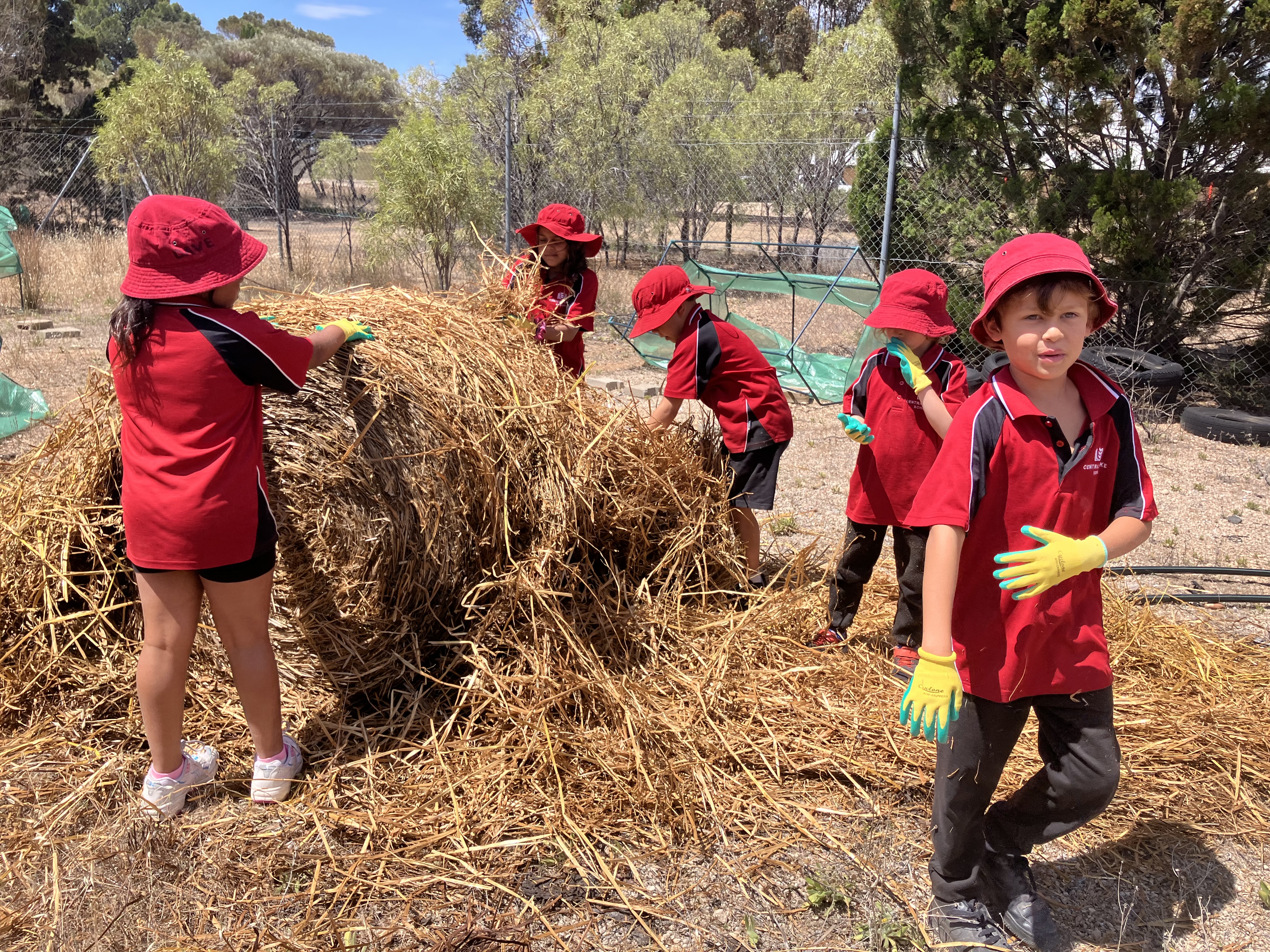

Point Pearce Aboriginal Corporation has partnered with Landcare Australia to establish a major First Nations community-led conservation and education project.
Located in South Australia's Point Pearce in the Wardang Island Indigenous Protected Area (IPA), the project is led by the Traditional Owners, the Narungga people, and aims to support Indigenous youth to learn about their Cultural heritage and knowledge that will lead to career and leadership pathways in environmental conservation.
At the heart of this initiative is the Point Pearce First Nations Culture Garden, a space where Elders, First Nations Rangers, and Indigenous youth come together to bridge and transfer Cultural knowledge. Designed as a hands-on learning environment, it aims to inspire young people to explore environmental conservation, deepen their appreciation for the natural world and discover career pathways that utilise Cultural knowledge.
Narungga Elder, Mr Lyle Sansbury, said: "Our land is our story, and this Cultural Garden is a way to share that story with everyone. It's about teaching our young ones, connecting with the community, and recognising our traditions."
"This project shows how we can come together to care for Country, pass on knowledge, and build something lasting for our future generations. We're happy and proud to work with Landcare Australia to make this dream a reality for Point Pearce," he said.
Point Pearce Aboriginal Corporation general manager Paul Heck said "as a community deeply connected to land and culture, the First Nations Culture Garden is an amazing initiative for Point Pearce".
"This project is a powerful opportunity for our youth to learn from our Elders, connect with our heritage, and build a future rooted in cultural pride and environmental stewardship," he said.
The Culture Garden will feature a medicinal and ceremonial plant area, native bush foods, water features to attract wildlife, sensory garden, and dedicated spaces for learning and Cultural practice. With a seedling propagation zone, a native seed cleaning station, a fruit and nut orchard, and interpretive walking trail.
More than just a garden, it serves as a 'Cultural learning hub'—fostering pride and offering a comprehensive setting for community events, educational programs, and vocational training opportunities. With funding from One Tree Planted, the tree planting will also help restore native vegetation and improve habitat for threatened species including the Southern Hairy Nose Wombat.
Aligned with the South Australian Department for Education's Aboriginal Education Strategy, the project aims to inspire engagement, Cultural pride, and environmental responsibility among First Nations students. It focuses on educational outcomes and how Cultural activities can play in enhancing social and academic competence among First Nations students.
Landcare Australia chief executive Dr Shane Norrish, said the landcare collaboration with Point Pearce Aboriginal Corporation is "truly inspiring – it highlights what can be achieved when community comes together".
"We hope it serves as a model, showing how Cultural connection links generations, builds resilience, and supports the health of land and people alike," Dr Norrish said.
Mr Heck said "we are creating a place where knowledge, culture, and sustainability come together—providing pathways for our young people to grow in their identity and to explore meaningful careers in conservation... with the vital support of Landcare Australia".
"This is about strengthening the community, preserving heritage, and nurturing the leaders of tomorrow," he said.