




A coalition of Indigenous, legal and human rights groups have written to the Victorian Attorney-General Jaclyn Symes expressing a "deep concern" for the state's ongoing failure to implement the Optional Protocol to the Convention Against Torture (OPCAT).
The open letter, signed by groups including the Victorian Aboriginal Legal Service (VALS) and the Victorian Aboriginal Community Controlled Health Organisation (VACCHO), highlighted the "mistreatment of children in the state's youth prisons and cited the Victorian Government's "ongoing failure to enact the safeguards that Australia has signed up to under international human rights law."
Furthermore, it asks for a guarantee from the Labor government to commit to properly resourced OPCAT in May's state budget.
"The impact of this failure by the Victorian Government is acutely felt by children locked away in Victoria's youth prisons," the letter said.
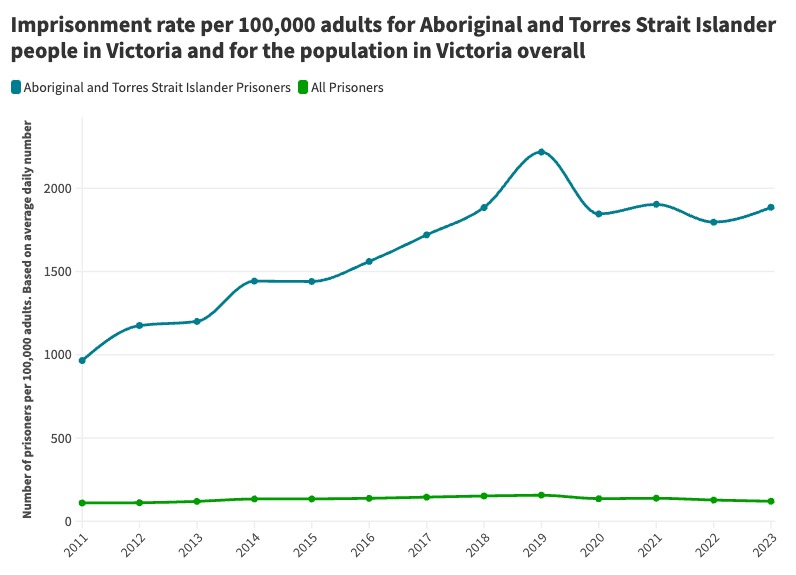
"Aboriginal and Torres Strait Islander children continue to be overrepresented in, and harmed by, youth prisons, as are multicultural children, in particular those from African, Māori and Pasifika backgrounds."
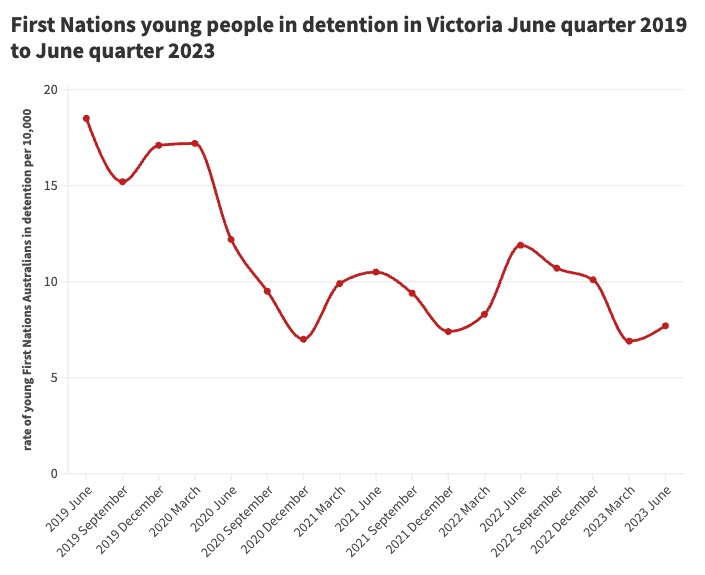
Victoria has the lowest rate of First Nations young people aged 10 to 17 in detention, with 7.7 children per 10,000 on an average night in the June 2023 quarter. However, despite calls for youth incarceration to be a last resort, 61 per cent of young people in detention on average in 2021/22 were not serving a sentence but held on remand.
January 20 marked one year since the Victorian government missed a deadline to meet Australia's obligation under OPCAT, ratified by the Turnbull government in 2017.
The international agreement - aimed at preventing torture and cruel, inhuman or degrading treatment or punishment - requires countries to set up an independent inspection and monitoring system, labelled National Preventive Mechanisms (NPMs), to carry out inspections of all places of detention.
Australia postponed their obligation to set up an NPM for three years with the extension scheduled to formally end in January 2022 before the Federal government requested an extension for an additional year in December 2021, citing the COVID-19 pandemic and complications surrounding state responsibility.
The open letter argues the delays must be rectified, calling on the state to "urgently establish" monitoring and oversight of places of detention with complete transparency and alongside Indigenous, legal and human rights organisations."
VALS chief executive and Yorta Yorta and Narrandjeri woman Nerita Waight said Victoria was failing to protect the "basic human rights of Aboriginal children, young people and adults who are incarcerated".
"The extent of the abhorrent abuse, mistreatment and corruption in prisons is on the public record and yet the government continues to ignore these significant breaches of human rights, nor undertake the measures required to address them," she said.
"As we approach the 12 month anniversary of the Coronial Inquest into Veronica Nelson, it's clear the current oversight system is not working, and Victoria must show leadership to establish independent detention oversight, rather than spend more money on building new prisons."
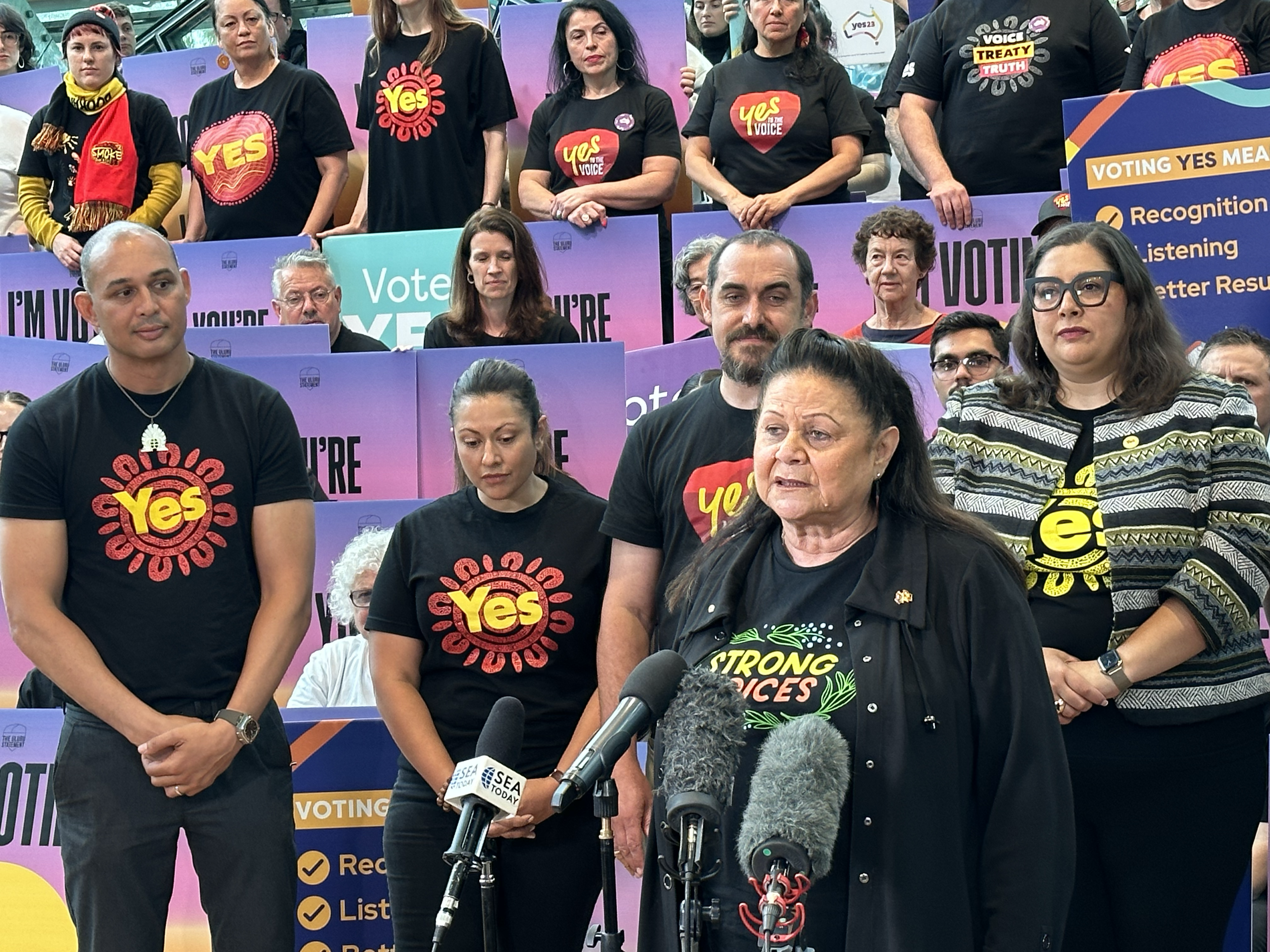
Ms Waight was supported by VACCHO chief executive and Gunditjmara woman Jill Gallagher who argued contact with the justice system only exacerbated trauma and disadvantage, which disproportionately impacted Indigenous families in Victoria.
"In Victoria we have seen Aboriginal and Torres Strait Islander children aged 12 and 13 locked up when they should be thriving at school and playing sport on the weekend," she said.
"OPCAT must be implemented in full – as a society in 2024 we must not allow our Boorai (children) to be left behind."
The open letter argued bureaucratic delays were unnecessary, after multiple reports in recent years - from both the public and private sector - called for significant oversight and overhauls.
"Government inquiries, truth-telling commissions, Ombudsman reports and United Nations experts have all been clear and consistent in their calls for greater scrutiny of the human rights abuses that too often thrive in the darkness behind prison walls," the open letter said.
In October 2022 a delegation from the UN subcommittee on the prevention of torture (SPT) was took the extraordinary step of suspending its first tour of Australia after being refused entry to places of detention in New South Wales and Queensland. Rwanda is the only other country ever to have had such a visit terminated.
In the aftermath of the suspension, Labor MPs advocated the importance of torture prevention in detention facilities. Yorta Yorta MP Sheena Watt said, "the government supports the principles of OPCAT... Increased accountability in places of detention will help to safeguard the integrity and transparency of our system."
Bronwyn Halfpenny went further, stating: "… we are actually supporting the role of the United Nations in monitoring and having some oversight of places of detention, because we do have a belief in human rights and that all people have a right to certain basic standards of dignity and all those sorts of things".
The open letter cited these comments but argued "Such statements only mean something if they are backed by action, and it is time to deliver."
Victoria has been criticised for aspects of their juvenile detention system in 2023, while simultaneously enacting progressive legal reforms in the wake of a number of inquiries.
These criticisms included a 17-year-old Indigenous boy being placed in a spit hood whilst in an adult prison, labelled "shocking" by Victoria's Commissioner for Children and Young People, Liana Buchanan; and whistleblowers from the Youth Justice Centre in Parkville complaining about the rampant use of isolation, including on Indigenous teens and youth on remand - who had not been found guilty of any crime.
Victoria is set to implement a delayed Youth Justice bill this year - despite pressure for further delays and changes from the opposition - with a new panel announced to oversee an alternative service model for juvenile offenders.
The government has also enacted a series of long-awaited reforms, including the elimination of public drunkenness and a recalibration of the bail laws, both of which have been lauded by Indigenous and legal groups. Furthermore, Victoria has committed to raising the age of criminal responsibility to 12 by 2025, and 14 by 2027.
However, the letter ends with a call-out that these decisions cannot be made in isolation and should only be exacerbated, not delayed or wound back.
"Rather than funnelling money into prisons, the Victorian Government must fund long overdue independent oversight of them, alongside community-led responses to divert children away from prisons in the first place," it says.
"The Victorian Government must work towards a future where no children are locked away in, and damaged by, harmful youth prisons.
"This starts with raising the minimum age of criminal responsibility to at least 14, without exception, and enshrining this commitment in law."
The open letter can be read here.



