




There is an urgent need to improve domestic, family and sexual violence services in remote Aboriginal communities in the Northern Territory following the alleged murder of a 16-year-old girl earlier this month.
A 26-year-old man has been charged with murder after the teenager died following a visit to a clinic in the remote Northern Territory community of Alpurrurulam.
There has been no permanent police station in the community — close to the Queensland border and 1,200 km from Darwin — since 2018. The closest police officers are stationed in Avon Downs, 170 km away.
The local health clinic was previously evacuated following unrest in the town; however, it was staffed when the teenage girl arrived.
The Aboriginal Medical Services Alliance Northern Territory (AMSANT) said remote communities lacked specialist family violence workers, safe accommodation and reliable police responses, leaving health clinics to manage serious incidents with limited resources.
AMSANT CEO Donna Ah Chee said violence is often first seen by health clinics.
"That moment of contact needs to lead somewhere: to a specialist worker, a safe place to stay and support that continues after the clinic doors close," Ms Ah Chee said.
"Aboriginal community-controlled health services are already responding to family violence alongside their core healthcare responsibilities, often in communities with very limited specialist support. That work needs dedicated resourcing."
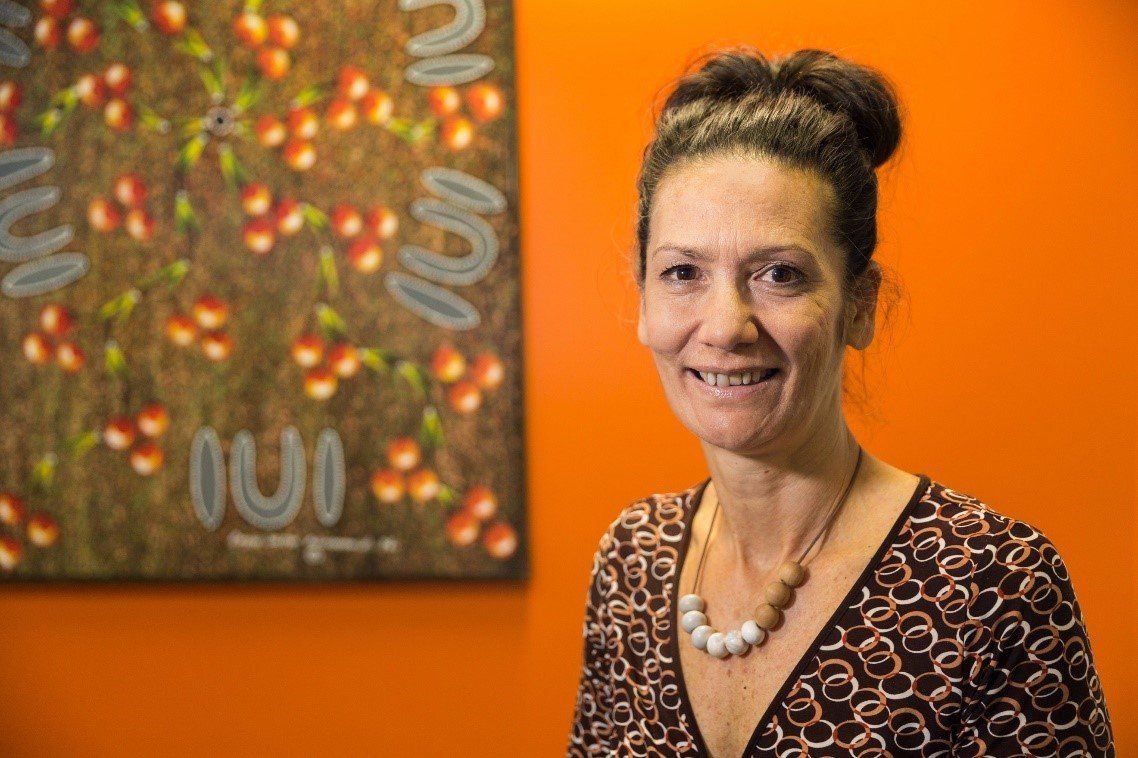
Ms Ah Chee said there was a need for dedicated support services, stronger alcohol supply regulation, adequately resourced Aboriginal community-controlled health services and culturally safe, community-led prevention programs.
"AMSANT has consistently called for strong alcohol protections because we know alcohol-related harm places enormous pressure on families, communities and frontline health services," she said.
"Policing, alcohol regulation, specialist family violence services and healthcare all have a role to play. We need a coordinated response that addresses the risks of violence and ensures women and children can access help when they need it."
In a letter to the federal and Territory governments, the Albanese Government's envoy for remote communities, Marion Scrymgour, called for Alpurrurulam's police station to be reopened.
She told the ABC one of the biggest issues was that "we don't have the police, resources or infrastructure on the ground in those communities".
"Do young black girls lives matter? That's what it gets down to," Ms Scrymgour said.
"We are seeing too many young women losing their lives and often it gets caught up in really silly debates, but we've got to value the life of people."
Ms Ah Chee said governments must work with Aboriginal communities to ensure women and children can access specialist help, safe accommodation and ongoing support, regardless of where they live.
"Every woman and child in the Territory deserves to be safe, wherever they live," the Bundjalung woman said.
"Our health workers do extraordinary work, and clinics have a vital role to play. But keeping women and children safe requires a coordinated response across health, housing, specialist family violence services and government. No single service can do it alone."
1800 Respect (1800 737 732)
Lifeline (13 11 14)
13YARN (13 92 76)
Yarning Safe'N'Strong (1800 959 563)
Beyond Blue (1300 22 46 36)



