


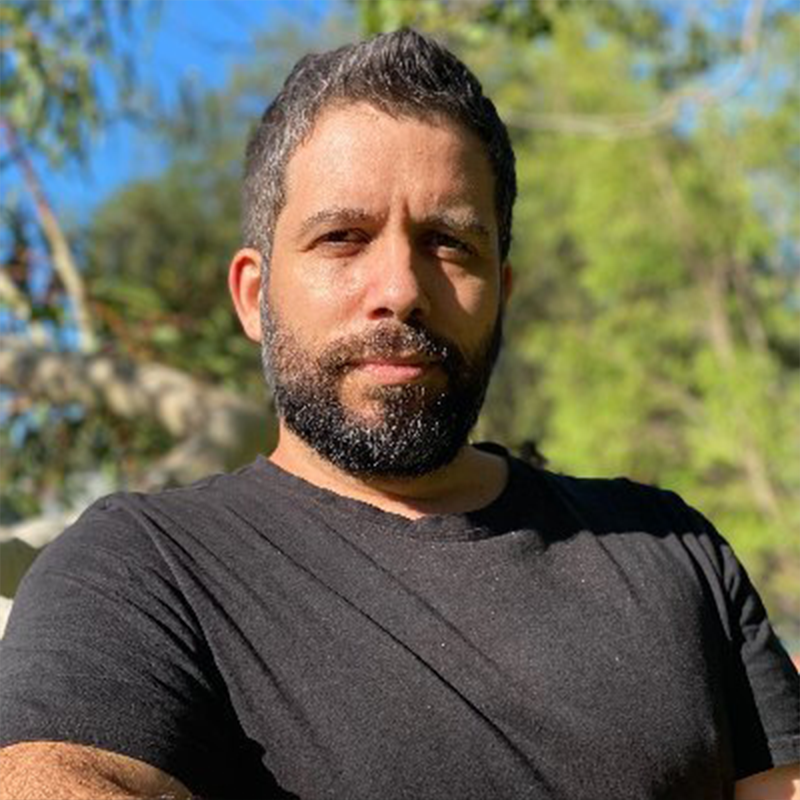

A young Noongar-Yamatji woman who suffered poor ear health as a child is working hard to help Indigenous children in the same situation today.
Kassy Hayden, 24, works with medical group Earbus Foundation, coordinating programs for Pilbara east and south central, as well as visits to the Goldfields and Esperance by the Earbus team.
Ms Hayden organises accommodation, flights and other logistics, and liaises with schools and with Earbus teams on the ground.
"It is important for the kids and for everybody out there," she said.
"Yesterday two of my colleagues noticed that one of the children didn't have a Medicare number, which means they would never have seen a GP and this child is eight years old.
"But we were able to see them and continue seeing them, which is one example.
"It is making a difference in remote communities, and there is relationship building as well. For a child who has never seen a GP it would be pretty scary having people looking in your ears for the first time."
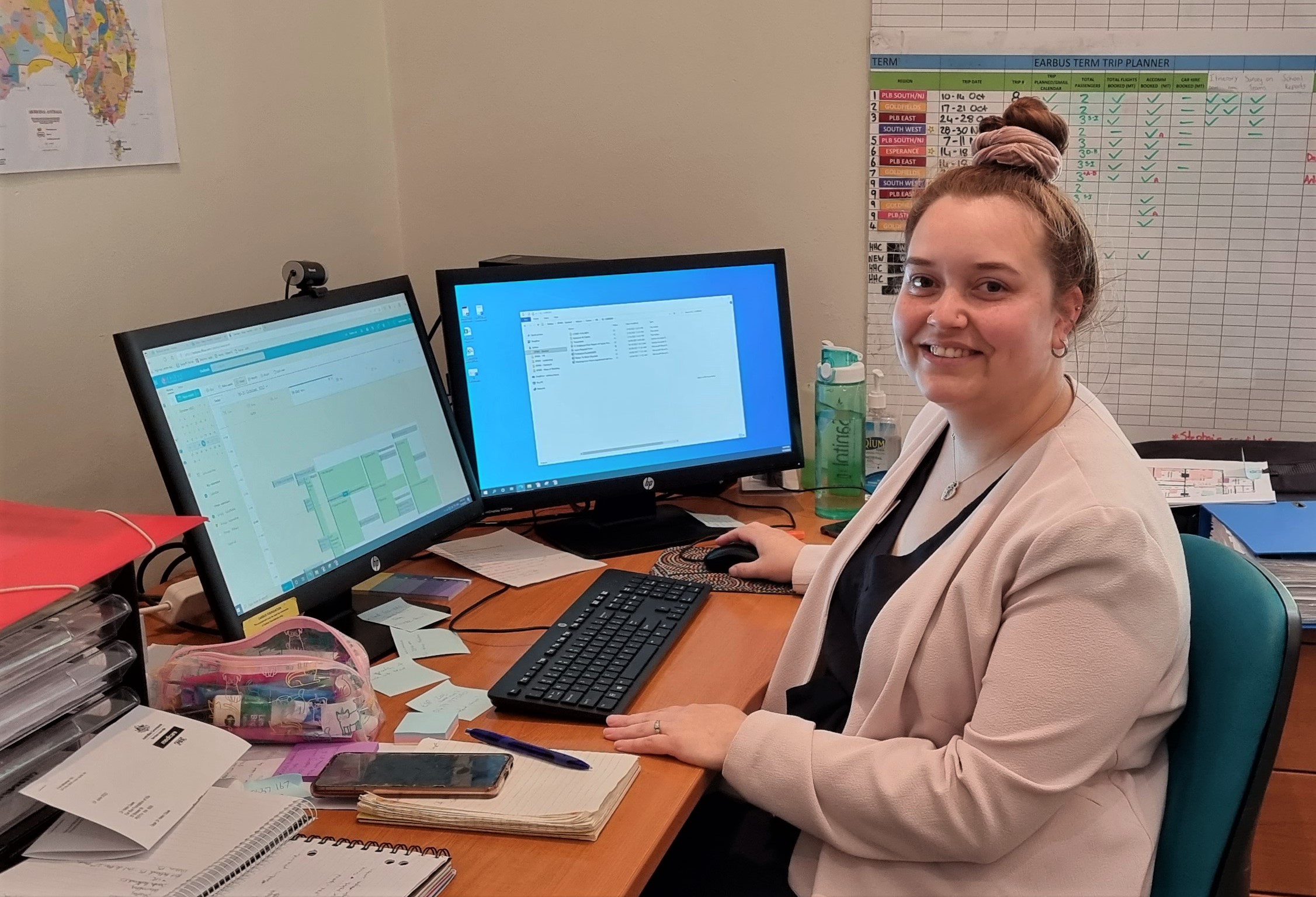 Kassy Hayden at work coordinating visits by an Earbus mobile clinic.
Indigenous children have some of the highest rates of middle ear disease in the world.
On average, Aboriginal children suffer from middle ear disease for 32 months on their first five years of life compared to just three months for non-Indigenous children.
Indigenous people suffer ear disease and hearing loss at up to ten times the rate of non-Indigenous Australians.
Ear conditions like Otitis Media (middle ear infection) affect development, social skills and education for children, making the crucial formative years of life far more difficult and putting children at a long term disadvantage.
Earbus works with local Aboriginal Medical Services to deliver comprehensive ear healthcare.
"There are a lot of consequences if these conditions aren't treated," Ms Hayden said.
"A lot of kids drop out of school, they don't show up because they can't keep up with learning, they can't keep up with the teacher in class.
"I had plenty of problems with my ears when I was younger... I was lucky my parents had
 Earbus team member Adelina Duncan conducting a hearing test in Wakathuni earlier this year.
access to services living in the city.
"These children (who can't get treatment for ear conditions) miss out on a whole lot; growing up and building friendships, being able to work, things like that."
Ms Hayden said getting their conditions treated makes a big positive impact in the children's lives.
"The kids are more confident; once Earbus has visited a place the kids are happy and excited to see the team come back because we have helped with their ears," she said.
"They are confident and happy, happy kids."
Since starting services in the Goldfields and east Pilbara in 2014, Earbus Foundation has expanded their mobile clinic model to the Southwest and the Perth Metro and Peel regions.
In 2020, Earbus began working in south and central Pilbara as well, despite the challenges posed by COVID.
Earbus operated in the Kimberley for three years 2018-2020 but had to halt that service because of a funding shortage.
Since it began, Earbus has conducted 57,902 ear screens on more than 12,100 Aboriginal and at-risk kids.



