



Cultural burning is a thousands of years old custom crucial for health of Country, community resilience and for the generations ahead.
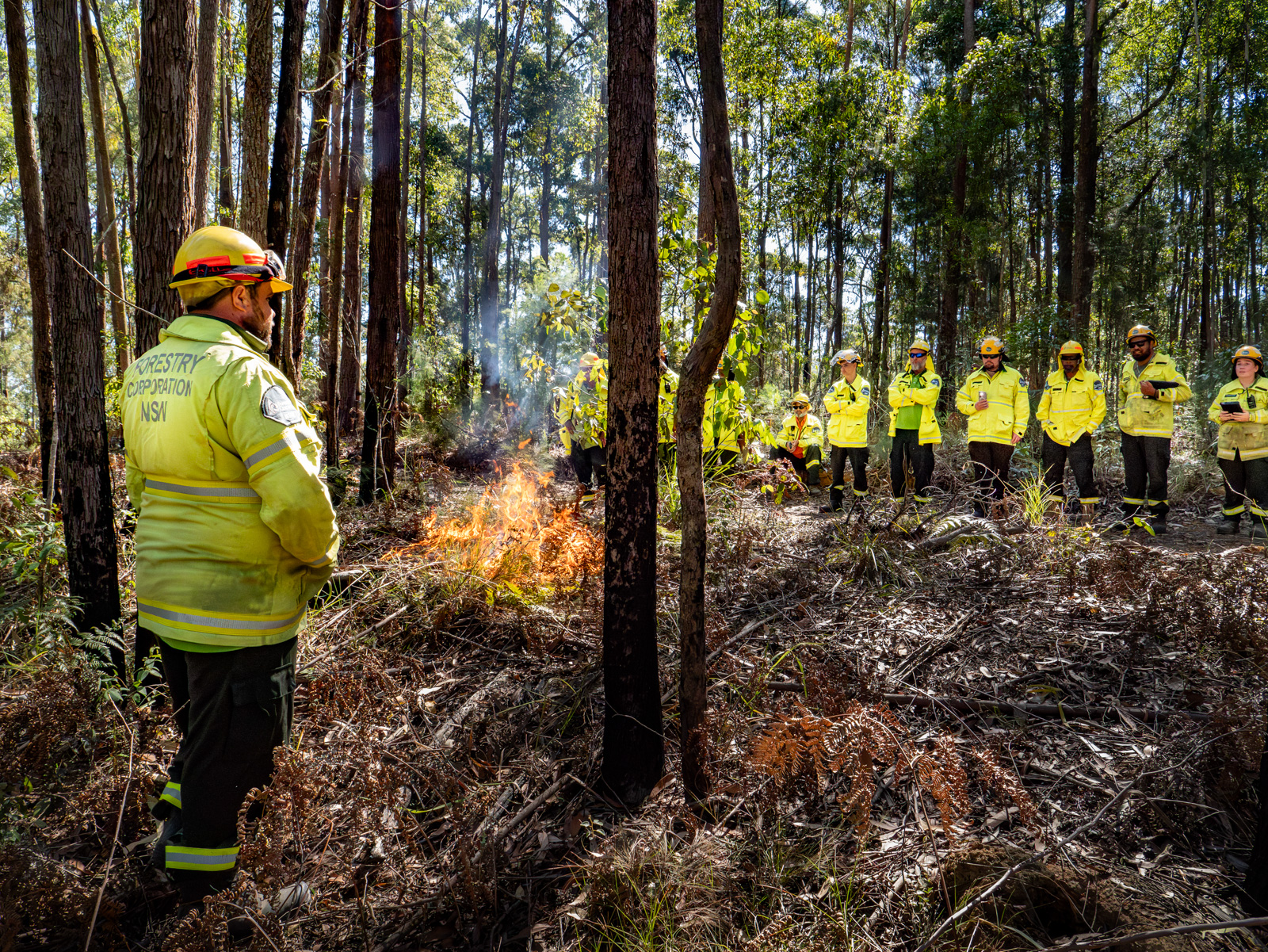
Bunyah Local Aboriginal Land Council carried out a burn in Cowarra State Forest at Guulabaa - Place of Koala on Biripi Country with community firefighters as part of a co-designed project last week.
It's the first of several cultural burns being led by Aboriginal communities in NSW State Forest.
Each add their cultural knowledge to the processes, with more than 60 Aboriginal people across the north coast area gaining accredited fire training programs.
It's part of the federal government and Forestry Corporation NSW co-funded Fire, Country and People: Aboriginal Community Disaster Ready Partnership Project.
"Cultural burning has been happening for thousands of years, and we need to make sure it continues on, under the watch of future generations," Biripi Elder uncle Bill O'Brien said.
In addition to disaster readiness, cultural burns empower land stewardship, and return of native plants and animals, as aimed by the efforts.
They're considered, harm and risk-mitigated burns.
Bunyah LALC chief executive Amos Donovan led last week's burn.
"This is not a hot burn, it's a slow moving, cool burn in the right conditions. Cultural burns do not harm the environment or wildlife," he said.
"Each time our rangers do a cultural burn they are learning and the knowledge we hold is being passed down to our young firefighters."
The Fire, Country, People project is backed by a fraction short of $3 million in funding split evenly between the federal government and Forestry Corporation NSW.
There's factors at play as to when they can take place, and complexities as to how they're managed — one being at a time Country could become unwell if a traditional fire is not carried out, Forestry Corporation's Aboriginal Heritage and Partnerships Manager, John Shipp said.
"Cultural burning aims to apply fire to the landscape in the right place, at the right time and under the right conditions," Mr Shipp said.
"Fire is applied at a scale that thins out mid‑storey plants, without burning broad areas all at once as we see in high intensity bushfires.
"Burns are carried out when conditions allow for a low intensity, slow‑moving and cool fire, allowing people and animals to move safely away from the flames, minimising harm to the forest canopy and maintaining healthy landscapes.
"The landscape can't be too damp or too dry, and the burn may be deliberately patchy with some areas left unburnt to provide shelter and habitat for fauna."
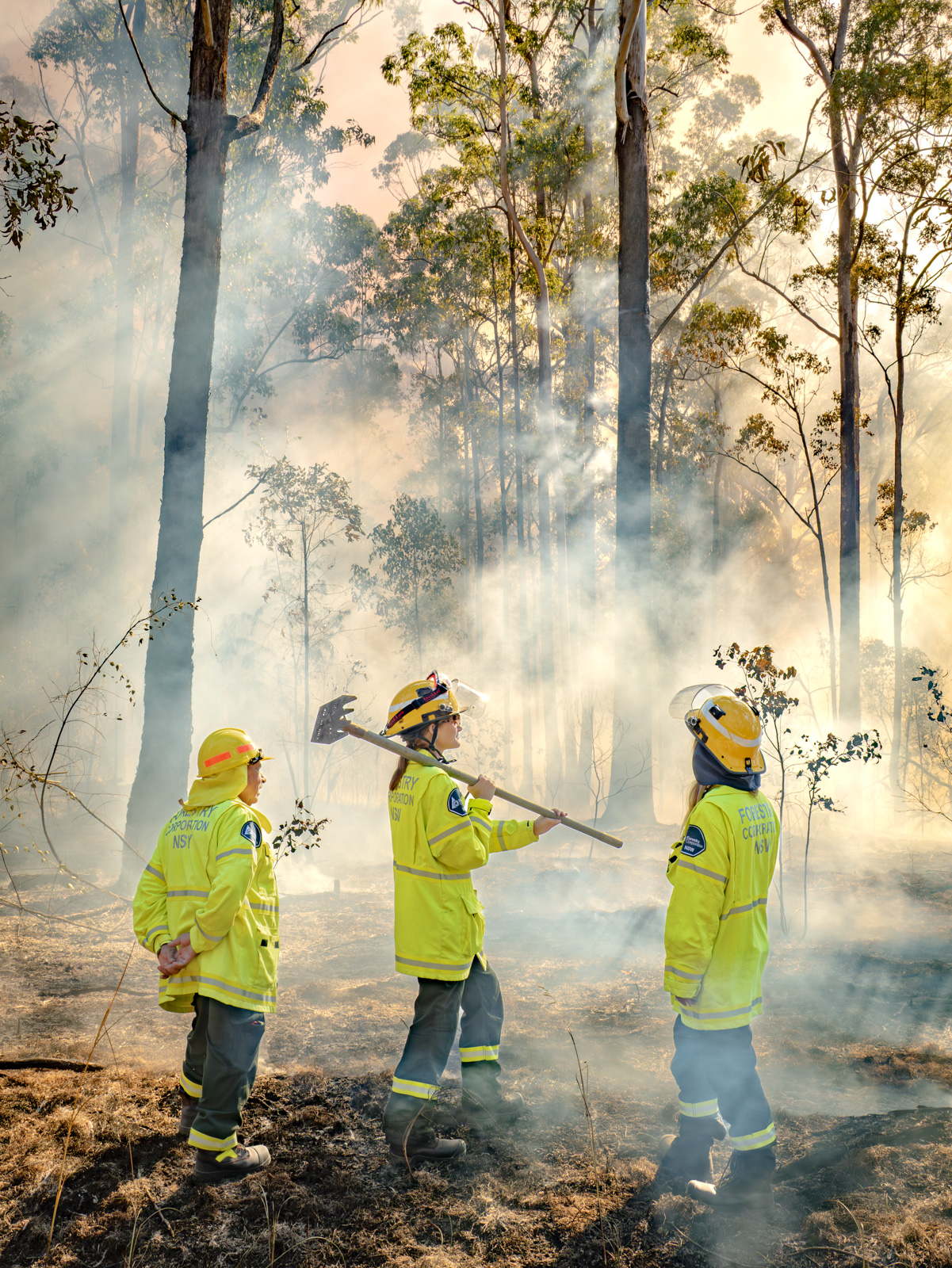
15 local community members took part in the burn on Biripi Country, just west of Port Macquarie.
An accompanying research program is in the process of being established to assess cultural burns' influence on bushfires.
Bunyah LALC will return to the State Forest for more burns and to look after Country on a seasonal basis.



