


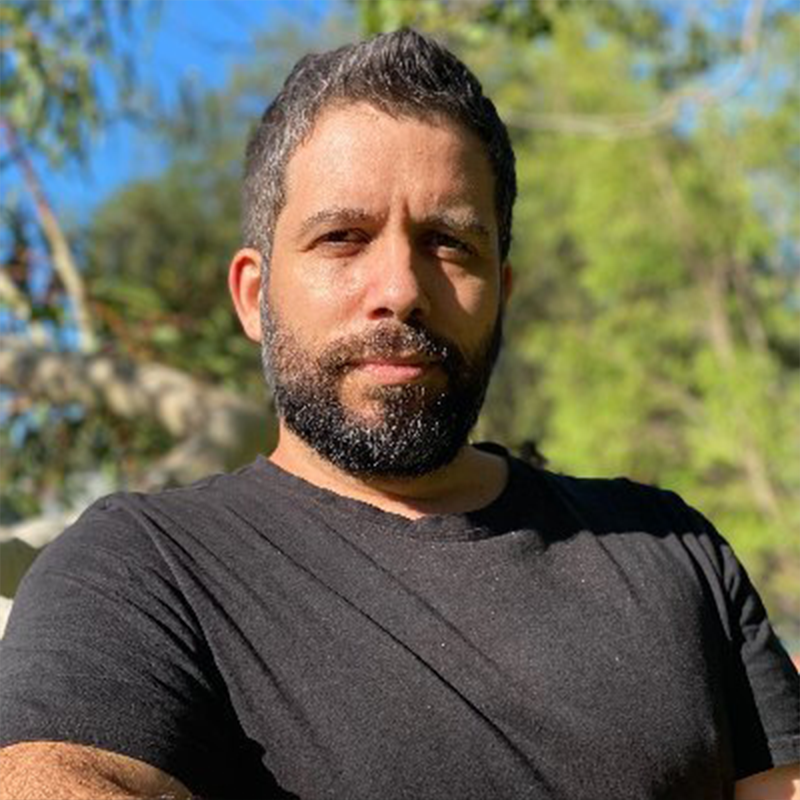

For Dr Rishelle Hume AM, leadership was never accidental. Long before boardrooms, national honours and global corporate roles, she was a young Noongar girl searching for her place in a world that rarely reflected her.
Everything shifted for her when she witnessed the dedication her grandmother and grandfather poured into their community, and the impact their service had on the people around them.
Her grandmother was Chief Executive Officer of the Aboriginal Advancement Council, and her grandfather was its Chair. Together, they were forces for progress - working with government, shaping vital programs, and championing better outcomes for Aboriginal people across Western Australia.
It was in her grandparents' home that leadership was modelled not as service, grounded in community, courage and accountability. Their influence inspired her and shaped her worldview; instilling in her an understanding that advocacy and governance are powerful tools for change.
'That pathway was already mapped by my ancestors'
From a young age, Rishelle witnessed the conversation, the negotiations, and the resolve it takes to sit across from power and insist on meaningful change. In those moments, the foundations of her leadership were laid.
For more than three decades, Dr Hume has been a voice for Aboriginal people across Western Australia, advocating for opportunity, equity and cultural integrity across government, industry and community sectors.
Now the proud Noongar woman is stepping into a new chapter of leadership.
Fresh from completing Western Australia's Pathways to Politics for Women program, Dr Hume is considering a future in political leadership.
With ancestral ties to the Whadjuk, Ballardong and Gnaala Karla Booja peoples, her life's work remains anchored in the same values she witnessed as a child: community, advocacy and systemic change.
Her career spans more than 30 years across employment, education, justice, health and community development and she has consistently operated at the intersection of culture, governance and corporate Australia, including serving as the Diversity & Inclusion Business Advisor for the Eurasia Pacific Region at Chevron.
She now brings extensive experience to the Wungening Aboriginal Corporation where she serves as the as the General Manager for Children, Families and Family & Domestic Violence Services.
From mentoring young Aboriginal leaders to shaping national conversations about inclusion and economic participation, Dr Hume's work has centred the voices and aspirations of First Nations peoples.
For Dr Hume, First Nations women bring a distinctive and essential leadership style to Australia's political landscape.
"First Nations women are bridge builders, able to walk in two worlds and translate across cultures," she said.
"We are protectors and advocates, grounded in community and guided by collective wellbeing. We are truth tellers, unafraid to speak to injustice while offering pathways to healing.
"We are relational leaders, who prioritise connection, inclusion and shared responsibility - and system navigators who understand both the strengths and the failures of existing structures.
"We carry the stories of our ancestors, the resilience of our Elders and the hopes of our children. This gives us a unique ability to lead with heart, integrity and purpose."
It is this perspective that has shaped her leadership across every sector she has worked in.
%20at%20Western%20Australian%20Parliament%20during%20Pathways%20to%20Politics%20for%20Women%20program%202025.%20%20Image%20Pathways%20to%20Politics%20University%20of%20Western%20Australia..jpg)
Dr Hume's leadership has been recognised with numerous honours, including Member of the Order of Australia, WA Aboriginal Award - WA of the Year, and induction into the WA Women's Hall of Fame.
For her, politics represents another pathway to create systemic change.
The Pathways to Politics program has played an important role in that journey.
A free program established to address the persistent under-representation of women in Australian politics, Pathways to Politics equips women with the practical skills, networks and confidence required to run for public office.
Through practical workshops, mentoring and training, the program provides a space for women like Dr Hume to step forward.
Dr Hume described the experience as transformative.
"This program was a gamechanger. It empowered me to lead with authenticity, connect with trailblazing women, and envision a future where First Nations leadership is front and centre in Australian politics," she said.
In the past decade alone, Pathways to Politics alumni have run for election 247 times and achieved 92 electoral successes across local, state and federal government - a 37 per cent success rate.
More than 750 women have graduated from the program nationally, and 89 per cent say they intend to run for office within the next decade.
Importantly, the initiative has also created space for First Nations leadership to grow, with more than 48 First Nations women participating in the program during its first decade.
The program's organisers described Pathways to Politics for Women as "Australia's most comprehensive, fully funded and non-partisan political training program ... equipping First Nations women across the country to take their place in local, state or federal government".
For Dr Hume, stepping into politics is about continuing a legacy that began long before her, and ensuring it continues for generations to come.
Applications for the 2026 program are open now until 30 April 2026 and can be made online at pathwaystopolitics.org.au.



