


The Pintupi people of the Kiwirrkurra community, a shire in eastern Pilbara in Western Australia, have not had access to clean running water, a basic human right, for three years.
Jodie Ward, Linda James and Bobby West Tjupurrula from the Kiwirrkurra community told National Indigenous Times of their growing concern that the state government is trying to force them off their land by making it uninhabitable.
Thought to be the last of First Nations people to have contact with non-Indigenous people, the Ngaanyatjarra Council Group reported that Kiwirrkurra Elders experienced first contact throughout the 1950-60s. They were then forcibly removed to a government settlement, enabling missile testing in the region.
In the 1980s the Kiwirrkurra community were able to return to their homelands and infrastructure was established such as an outstation and ground water bore.
However, infrastructure planning lacked structural integrity and foresight as the community was built on a clay pan, low-lying area with poor drainage.
Since 2020 the community has had no access to tap water, with their supply being subjected to monthly Do Not Drink notices.
In 2021, the Western Australian Government attempted an installation of a reverse osmosis water purifier to replace a former Water Treatment Plant, but the community advised that it has never worked.
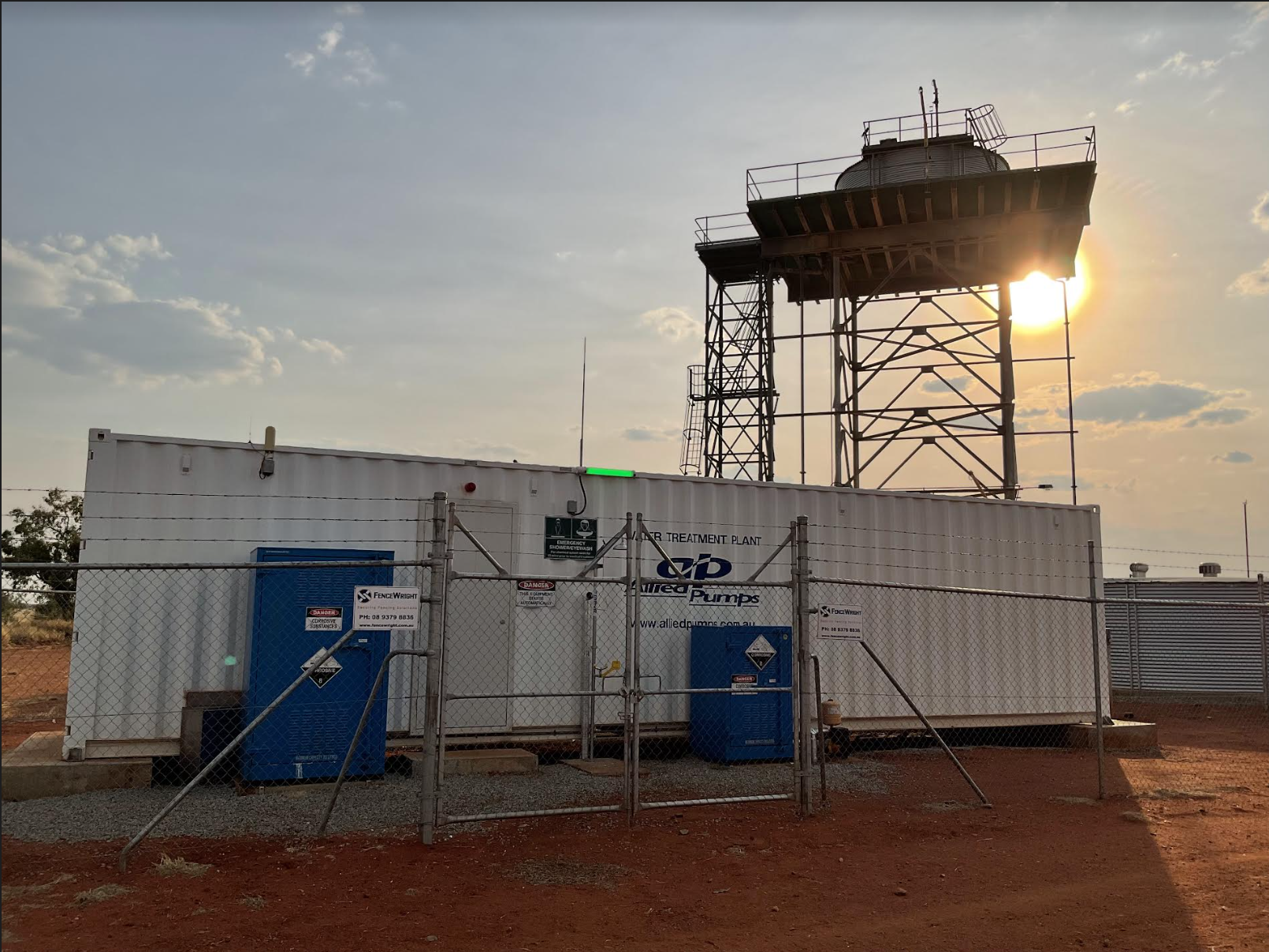
The current water treatment plan. (Image: supplied)
National Indigenous Times was advised of additional layers of concern. A source advised the current WTP doesn't meet peak demand - an assessment based on confidential data.
In addition, the waste water dam is already overflowing.
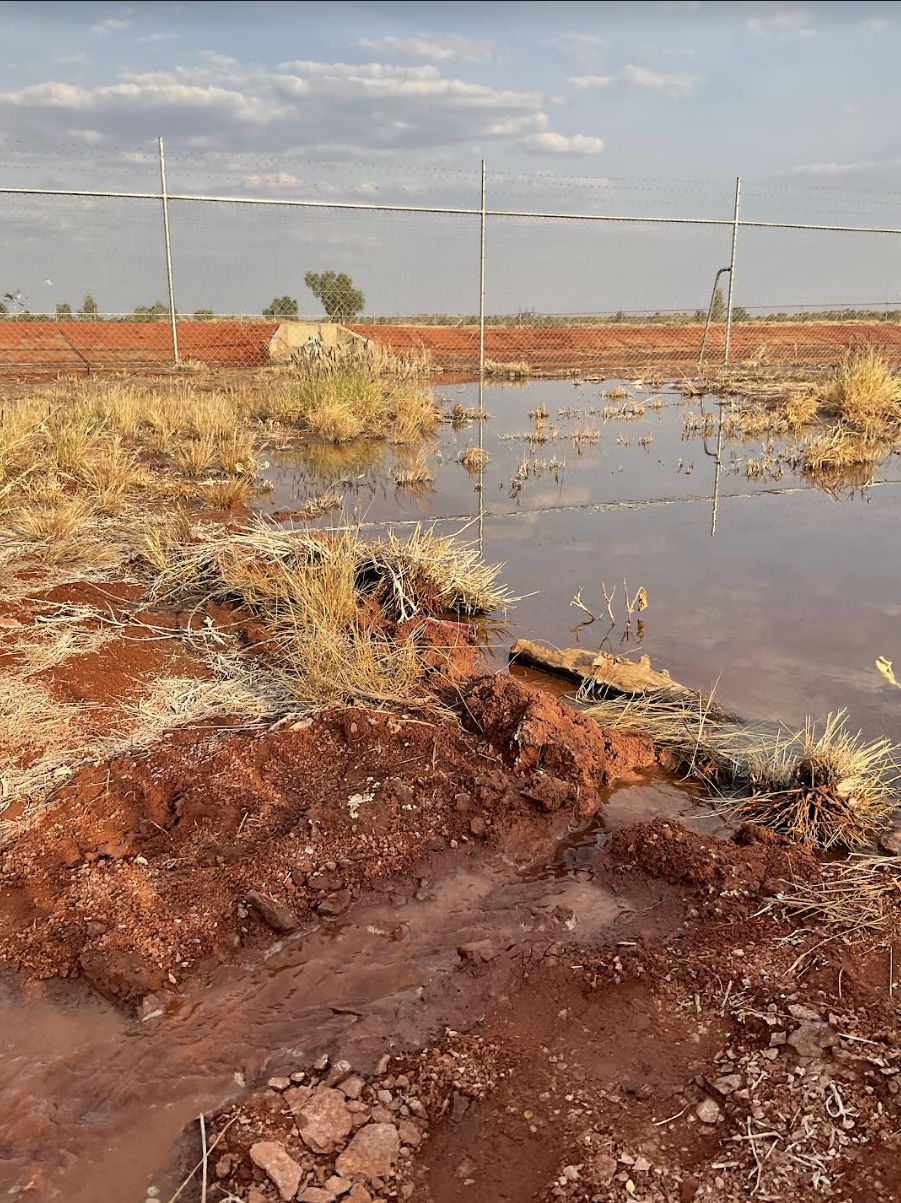
Overflow from the current water treatment plan. (Image: supplied)
Despite attempts to gain more information, residents said they have received no other communication and no formal advice as to when the matter would be rectified.
Mr West said: "We been waiting three years. Same problem."
He suggested that the community would like to welcome tourists to their country and share their culture, but they just drive past.
In 2022 the Australian Financial Review reported that Australians are the world's richest people, but for three years this community has survived on bottled water delivered to the community, resembling Australian Foreign Aid, but at the expense and efforts of community groups.
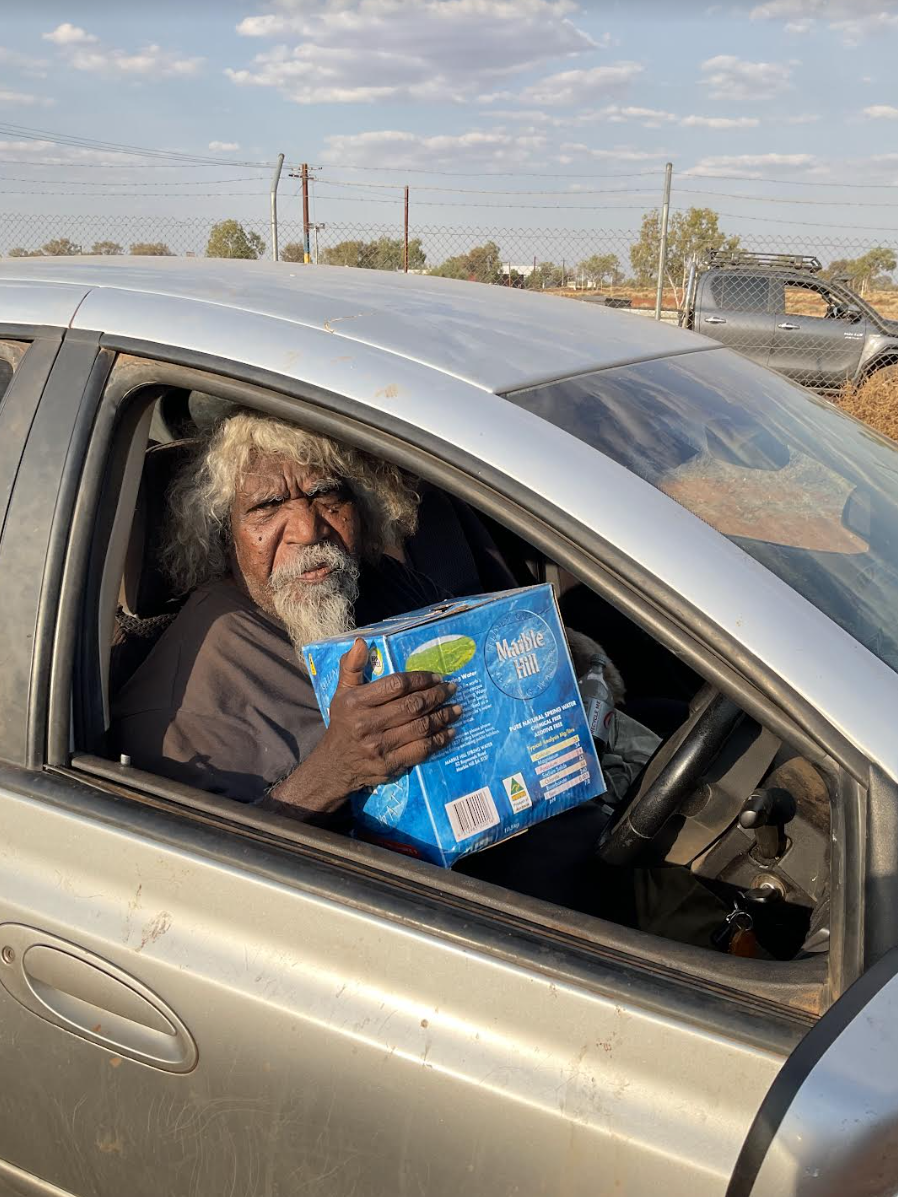
Mr Bobby West Tjupurrula exhibiting their current supply of water. (Image: supplied)
In 2010, the United Nations General Assembly explicitly recognised the human right to water and sanitation and acknowledged that drinking water and sanitation are essential to the realisation of human rights.
The resolution called for state and international organisations to provide financial resources, help capacity-building and technology transfer to help countries, in particular developing countries, to provide safe, clean, accessible and affordable drinking water and sanitation for all.
National Indigenous Times was also told the packaged water has been problematic as the elderly, disabled and/or unwell have been unable to move the 10kg package.
Community members expressed the challenge of acquiring new water if a household had run out: "You need to walk for kilometres to the next town, in forty-degree heat."
The bottled water, which comes as a 10L box with a water bladder, is also creating an extra 800 pieces of rubbish per week, which the community are unable to manage as they don't have the necessary equipment or infrastructure.
Water management in the area has previously been managed by WA's community services directorate and has recently been taken over by Water Corporation.
National Indigenous Times has contacted Water Corporation for comment.



