




The Australian Human Rights Commission has become the latest body to criticise the Queensland government's decision to house children in adult watch houses, expressing "grave concern" at footage showing an intellectually disabled, 13-year-old First Nations child being forcibly restrained and kept in an isolation cell.
A joint Guardian Australia/SBS' The Feed investigation revealed footage of Sam (not her real name) being handcuffed, naked, and covered in her own urine, in a Queensland adult watch house.
She is one of many severely intellectually disabled children - many of whom are Indigenous - branded as repeat offenders and locked up in watch houses which hold violent adult offenders since the state suspended the Human Right Act last year.
On Friday, Aboriginal and Torres Strait Islander Social Justice Commissioner Katie Kiss emphasised the collaborative efforts with the Children's Commissioner in tackling systemic issues affecting Indigenous children.
"The embarrassing maltreatment of children in Australian youth detention centres is now being discussed in international fora, such as at the 17th session of the Expert Mechanism on the Rights of Indigenous Peoples in Geneva last week," Commissioner Kiss said.
"Current approaches to children's detention disproportionately affect children who have not received the necessary social and community support – and too often these are First Nations children."
Earlier on Friday, Prime Minister Anthony Albanese said the issue of watch houses was an issue for the Queensland government, but Commissioner Kiss said all Australian governments needed to "take responsibility for creating a just and supportive environment where every child, regardless of background, can thrive".
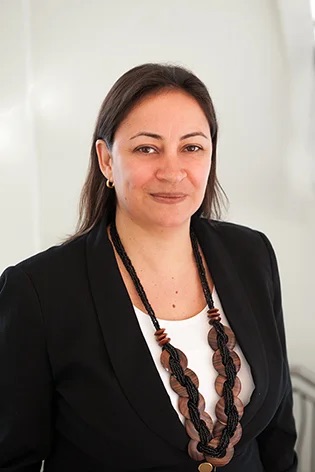
National Children's Commissioner Anne Hollonds branded the treatment of Sam as an "egregious breach" of human rights.
"This extremely distressing footage emphasises yet again the urgent need for the safety and wellbeing of children to be made a national priority for Australia through National Cabinet," Commissioner Hollonds said.
"Currently, we are brutalising our most vulnerable children as evidenced in this video and numerous other reports over decades."
Sam was arrested by officers as part of Taskforce Guardian – a "zero tolerance" police operation targeting young people for breaching their bail conditions around the state.
Despite having to suspend the state's Human Rights Act to allow children to be charged with bail breaches, some children only doing so in order to escape their abusers, the government openly celebrated the 1200th child charged under the operation earlier this year.
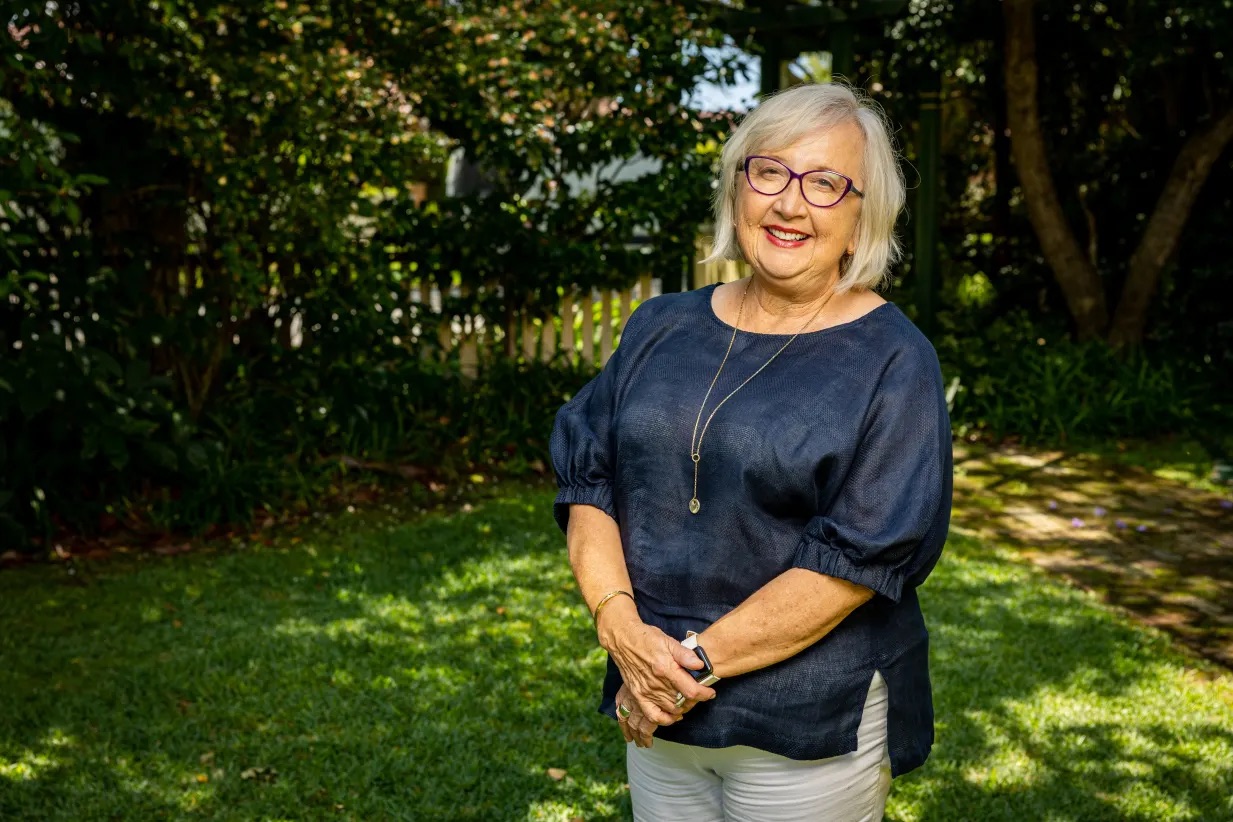
"Police watch houses are no place for children," Commissioner Hollonds said.
"I have witnessed myself that there are no windows, no natural light or fresh air. No education, rehabilitation or recreation is provided. The police officers had no training to care for children, most of whom come in with pre-existing disability, trauma, and mental distress.
"Children are being locked up in solitary confinement in these small rooms, as shown in the video, as punishment."
Katherine Hayes from the Youth Advocacy Centre previously told National Indigenous Times police guidelines specified children shouldn't spend more than 72 hours in watch houses.
Some have spent more than 30 days in the facilities.
Disability Discrimination Commissioner Rosemary Kayess said the continual over-representation of children with disability – in particular First Nations children with disability – in the justice system "reflects an experience of cumulative disadvantage —such as poverty, discrimination, family violence and other forms of abuse".
Commissioner Hollonds said systemic change would involve a commitment to "evidence-based action to address the root causes of offending by children," arguing the children currently housed in these facilities needed "disability support, therapeutic responses and protection".
The Queensland government have defended their approach, with Youth Minister Di Farmer saying she made no apologies for keeping the community safe.



