




Any inquiry into Queensland's child protection system must look at the gross over-representation of Indigenous children as well as issues leading to children entering care, experts say.
The call from SNAICC - National Voice for our Children comes after Queensland's LNP government announced an inquiry into the state's child protection system to uncover the "failures," after a new report found alarming rates of abuse and neglect.
The government said on Sunday the 17-month inquiry will take steps "others have been afraid to take, because it is the right thing to do".
Indigenous children and young people are placed in out-of-home care (OOHC) in Queensland at 9.3 times the rate of their non-Indigenous counterparts, and there have been multiple reports of sexual exploitation in residential care facilities.
On Tuesday, SNAICC chief executive Catherine Liddle said a review that failed to consider the needs and pressing challenges faced by First Nations families when they come into contact with the child protection system would be an oversight.
The Arrernte/Luritja woman from Central Australia said the "broad terms of reference" of the inquiry to be led by former Federal Court judge Paul Anastassiou KC didn't mention "one of the most pressing issues across child protection nationally": the increasing overrepresentation of First Nations children in the child protection system.
"We know when our children encounter the system in Queensland, they are more likely to be subjected to serious harm," Ms Liddle said.
"Any inquiry into the child protection system must consider their safety, first and foremost – not cutting costs."
A 2024 Census of children in care found 11 per cent had been sexually abused, 46 per cent had been physically abused, whilst more than two-thirds had been exposed to domestic violence and had experienced three or more types of abuse.
83 per cent had suffered emotional abuse, and 88 per cent had been neglected.
Ms Liddle said evidence showed that when OOHC services are delivered by Aboriginal community-controlled organisations (ACCOs), Indigenous children are "not only safer," but there is a greater likelihood of being placed with kin or their family.
"Keeping children safe means reversing the current trend of Aboriginal and Torres Strait Islander children entering OOHC and investing in culturally informed early intervention and family supports that address the issues that are leading more and more children into this broken system," she said.
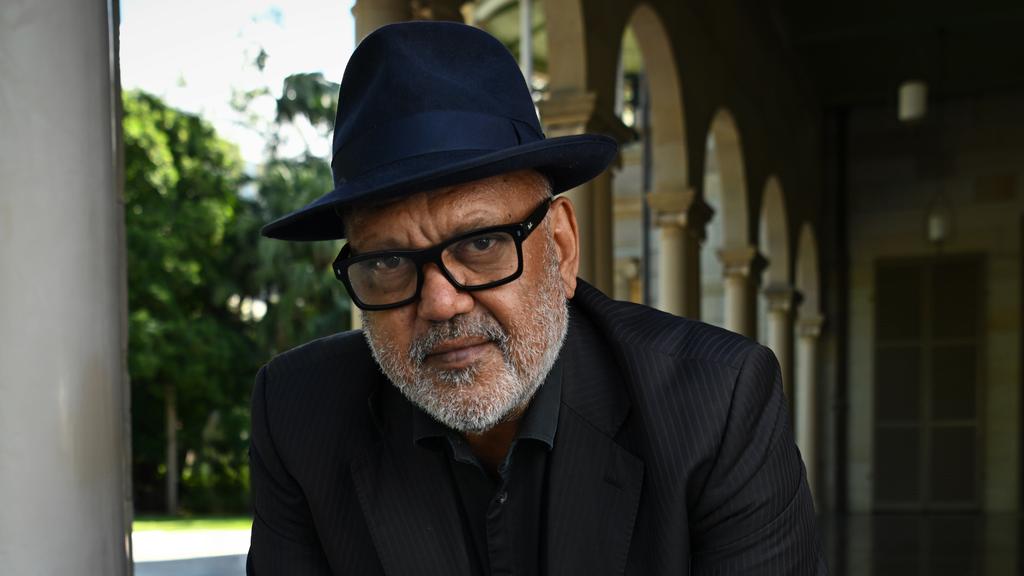
Cape York leader Noel Pearson welcomed the inquiry, arguing the former Labor government's failure to implement the majority of the more than 100 recommendations of the 2013 Carmody review has been a "disaster" for children in residential care.
Mr Pearson said the LNP's announcement is the most important initiative being undertaken in 2025, the ABC reported.
"Queensland's child protection system has spiralled out of control for more than a decade, causing catastrophic harm to First Nations children and families, as well as to non-Indigenous children in Queensland born into disadvantage," he said.
Despite his government introducing laws which experts say punish children with vulnerable needs by placing them in adult prison facilities, Queensland Premier David Crisafulli said the inquiry was vital in reforming the system for the sake of the whole community.
"There is no coincidence that we have a broken child safety system and a youth crime crisis in this state, and we are determined to take action on both," he said.
The government revealed more than 100 of the state's most serious young offenders are living in OOHC, with Mr Pearson asking: "How can you blame (these kids)?
"They're the victims of bad policy and bad government performance. George Street is responsible for the creation of those kids and the miserable lives that they now lead," he said, as reported by The Australian.
"But at the same time, the crucial thing is, we don't want another 100 joining them."



