



Five Indigenous university students have begun placements with Metro South Health in 2026 through Queensland Health's statewide Aboriginal and Torres Strait Islander Cadetship Program.
The 12-month program places cadets across nursing, allied health and corporate roles to build practical skills in a live healthcare setting while they study.
The 2026 cohort attended an orientation on 20 January ahead of starting placements across Metro South.
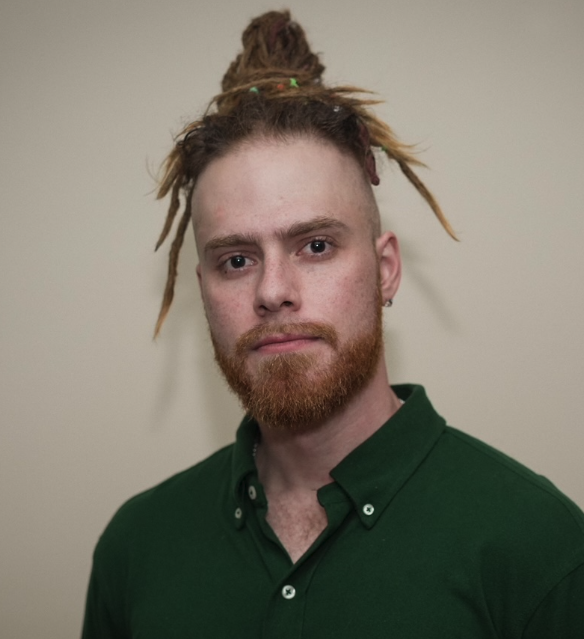
One cadet, Blayse, will join Metro South Health's Legal team, in what the health service described as a first for the organisation.
"It feels a bit special to be the first Cadet in this field," he said.
"It all sounds really interesting, and I'm excited to broaden my experience and get a taste of the variety that this role can offer."
Statewide Cadetship Program Principal Project Officer Sheringa Minniecon said the program was moving into its third year, strengthening its structure and processes beyond the pilot phase.
"We're excited to go into our third year of the program, allowing us to move beyond pilot and strengthen our structure and processes," Ms Sheringa said.
"The Metro South team here is incredible when it comes to the supports they have in place and I know that the Cadets will be very well-supported.
"This will help build a new cohort to help address the identified workforce gaps across Queensland Health."
The Queensland Health cadetship is open to Aboriginal and Torres Strait Islander people studying their first full-time undergraduate degree in a field that leads to a health service career.
Eligible courses include nursing, midwifery, allied health, law, information technology, human resources, marketing and communications, finance and policy.
Cadets are employed as temporary part-time staff for 12 months and complete 60 days of work experience at a Queensland Health facility, alongside their university studies.
Queensland Health notes the placement is designed to build knowledge and skills, support study, prepare students for their chosen career and provide financial support while they study.
The cadetship placement does not count towards an undergraduate degree and students must still complete required clinical placements through their course.
Cadets also receive a study and book allowance funded through the National Indigenous Australians Agency, including up to $12,000 paid across the university year and up to $1,000 in book payments across two semesters.
Aboriginal Health Training and Capability Officer Rahm Rallah welcomed the new starters at the orientation alongside Metro South Health Executive Director Allied Health Kellie Stockton, Executive Director Nursing and Midwifery Mish Hill, and General Counsel Holly Ahern.



