




Aboriginal and Torres Strait Islander Legal Services will receive more than $160 million in funding from next year, the mid-year budget papers have revealed.
Despite the outlook being better than 12 months ago during the National Legal Assistance Partnership (NLAP), criticism of a lack of funding for critical services helping vulnerable First Nations people remains.
The Mid-Year Economic and Fiscal Outlook (MYEFO) revealed from 2025-26, Aboriginal and Torres Strait Islander Legal Services will receive $160.7 million in funding as part of the new National Access to Justice Partnership (NJAP).
This is an increase from the $106.4 million in the last financial year under the old NLAP.
However not all states have received equal parity, with Victorian Indigenous legal services receiving only $11.8 million (up from $6.8 million) compared to NSW's $38.1 million (up from $24 million) and Queensland's $39.2 million (up from $29.8 million)
The Victorian Aboriginal Legal Service (VALS) chief executive, Nerita Waight, told National Indigenous Times despite the funding increase, the demand for services meant funding was "drastically insufficient".
"A few years ago, VALS was forced to make service cuts due to insufficient funding which left many Aboriginal and Torres Strait Islander people without legal assistance – I'm very worried we may have to do that again," Ms Waight said.
Earlier this year, a review by Dr Warren Mundy recommended the the old NLAP funding model be abandoned.
The review found demand for legal assistance was increasing due in part to socio-economic factors, including the "growing impacts of entrenched economic disadvantage, discrimination, and intergenerational trauma, experienced by Aboriginal and Torres Strait Islander peoples".
Ms Waight said "ultimately Aboriginal legal services will need more money than what the Federal Government has committed so far."
"They funded Dr Mundy's review, which they haven't listened to, they have consulted with Aboriginal Legal Services, and again they have not listened to us," she said.
Whilst the Indigenous incineration rate in Victoria is 1667.7 per 100,000 adults—below the national average for Indigenous incarceration but 15 times the overall incarceration rate in the state.
Furthermore, the rate of children taken from their families and placed in out-of-home care (OOHC), many due to incidents of domestic violence against Indigenous women, has skyrocketed.
Victoria removes children from their families at a rate of more than one in ten—the highest in the country.
"Our children remain over-policed and over-incarcerated," Ms Waight said.
"Services like Balit Ngulu, our dedicated legal service for Aboriginal children that provides vital holistic support to our young people are at risk, and so are the lives of our children."
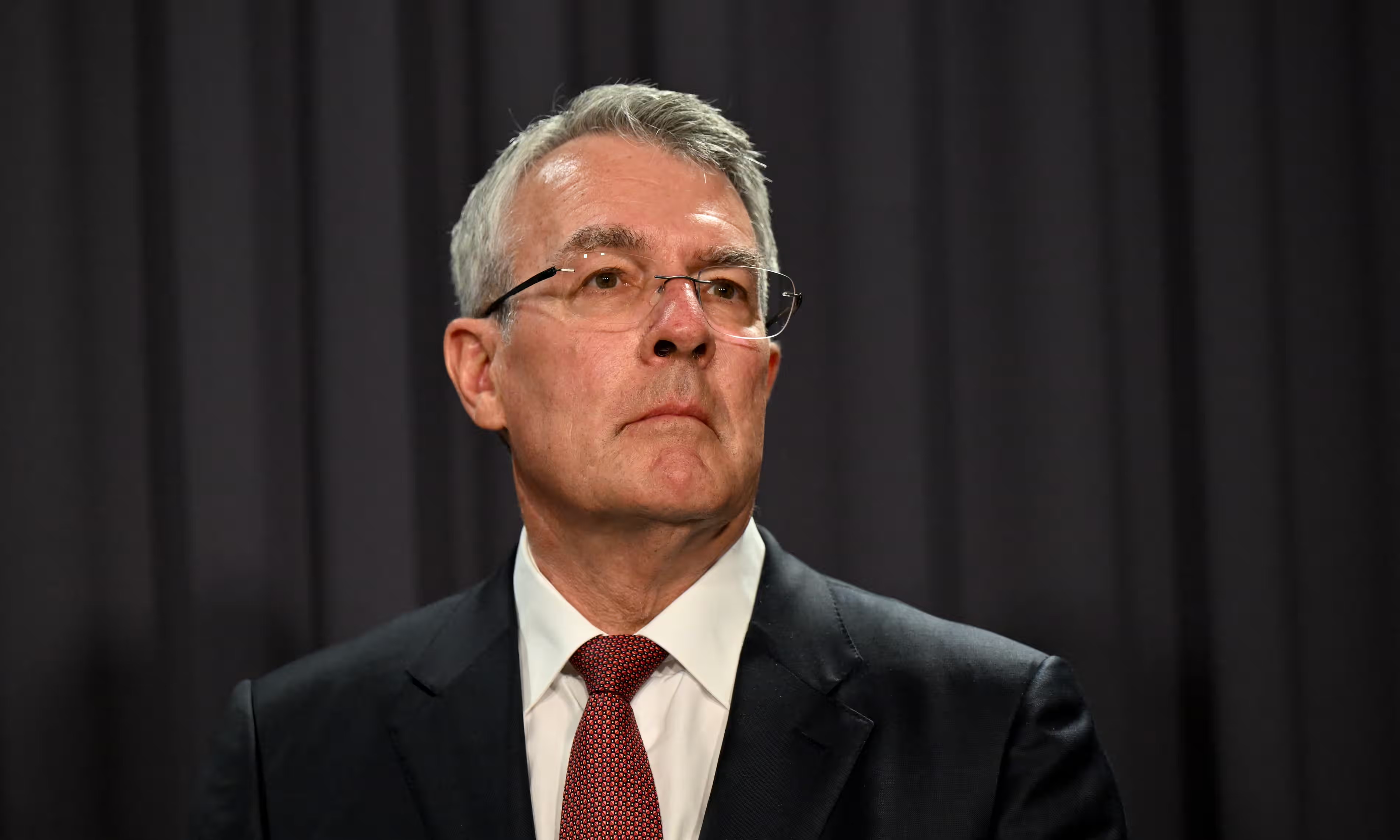
In November, Attorney-General Mark Dreyfus said the new NAJP is the "largest investment from the Commonwealth in legal assistance ever" after a Standing Council of Attorneys-General (SCAG) meeting in Melbourne.
"The increased and ongoing funding will ensure essential frontline services can operate more effectively and help the most vulnerable in our community, including people experiencing family, domestic and sexual violence," Minister Dreyfus said.
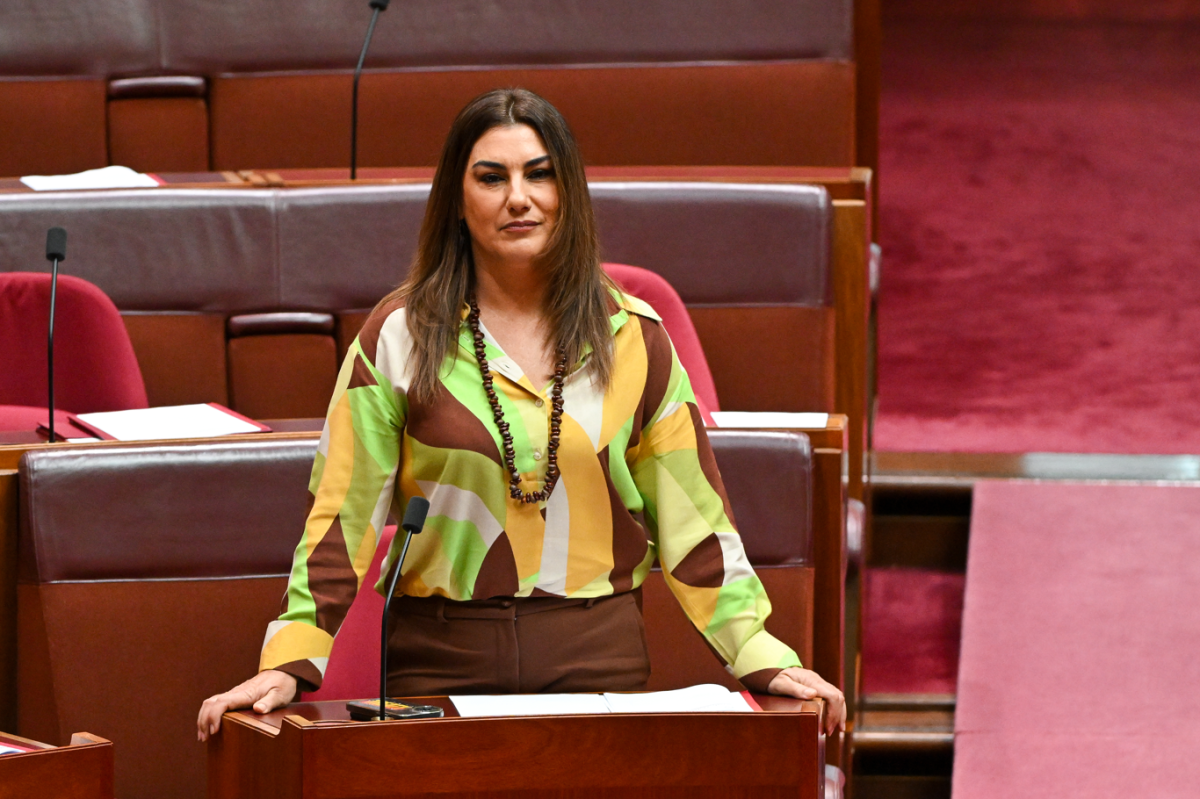
Independent Senator Lidia Thorpe, who has been outspoken in her calls for more funding for community legal services across the country, said the government's package "represents disgraceful underinvestment in frontline services".
Arguing Labor had only offered "spin and gaslighting" in response to calls for significant funding increases, Senator Thorpe told National Indigenous Times the decision to "underfund these services has left them buckling under growing demand and thousands of people, who are in desperate need of help, with nowhere to turn".
"Labor's wilful neglect is leaving families exposed to violence, at risk of child removal, and is driving further criminalisation of our communities, leading to more avoidable deaths in custody," the Gunnai, Gunditjmara and Djab Wurrung senator said.
"These services save lives. Frontline workers know these services need more assistance, and the people being turned away are living with the shattering consequences of Labor's inaction."
Of the federal government, Ms Waight said: "We are dumbfounded by their lack of leadership and accountability."
"Whether they provide additional funding through the next budget or the next election, they need to deliver more, or they'll be failing our people like they failed us on the referendum," she said.
The Yorta Yorta and Narrandjeri lawyer said whilst VALS knew the core funding they'd receive; it remained unclear if they would receive money as part of the family violence legal assistance funding.
The NJAP includes funding for community legal centres, who will receive $104.5 million, Family Violence Prevention Legal Services ($70.4 million) Legal Aid Commissions ($341.4) and Women's Legal Services ($52.9).
Recent Yoorrook hearings have heard women being forced to choose between homelessness and staying in violent relationships, with the majority of First Nations women in Victorian partnered to non-Indigenous men.
Victorian family violence prevention organisation Djirra have led calls for funding certainty for Family Violence Prevention Legal Services (FVPLS), and have been vocal in the need for First Nations women to have access to culturally safe services across the state.
On Friday said they welcomed the funding increase by the federal government.
Chief executive, Antoinette Braybrook, said Djirra, along with other FVPLS and their national body, First Nations Advocates Against Family Violence, welcomed the increased investment into "our life saving and changing work at the frontline of Aboriginal and Torres Strait Islander women and children's safety".
She said the funding increase would support the organisations work, especially as the demand for services for women experiencing family violence continued to increase.
"It is refreshing to have an Attorney-General who is committed to ensuring that funding for our specialist Family Violence Prevention and Legal Services is prioritised in the same way that funding for other legal assistance providers in the country has been," Ms Braybrook said.
For VALS however, Ms Waight argued the funding is simply "not enough".
She says at the current level, VALS will be unable to meet current community needs, nor offer the chance to expand to meet the projected need in the next five years.
"This is devastating," she said.
"It is clear the government doesn't understand how investing in Aboriginal legal services is a vital mechanism in addressing the overrepresentation of our people in the criminal legal system."



