




In the lead-up to January 26, Aboriginal leaders have noted "extraordinary levels of racism remain" across the country, as calls to change the date of Australia's national day continue.
Even as protests and commemorations around January 26 have increased year-on-year, there has been no wholesale move to change the date. Efforts — including by private organisations — to shift away from January 26 have drawn backlash from conservative commentators, with some media outlets frequently attacking those who link the date — or Australia's colonial founding — to racism.
A day of dispossession
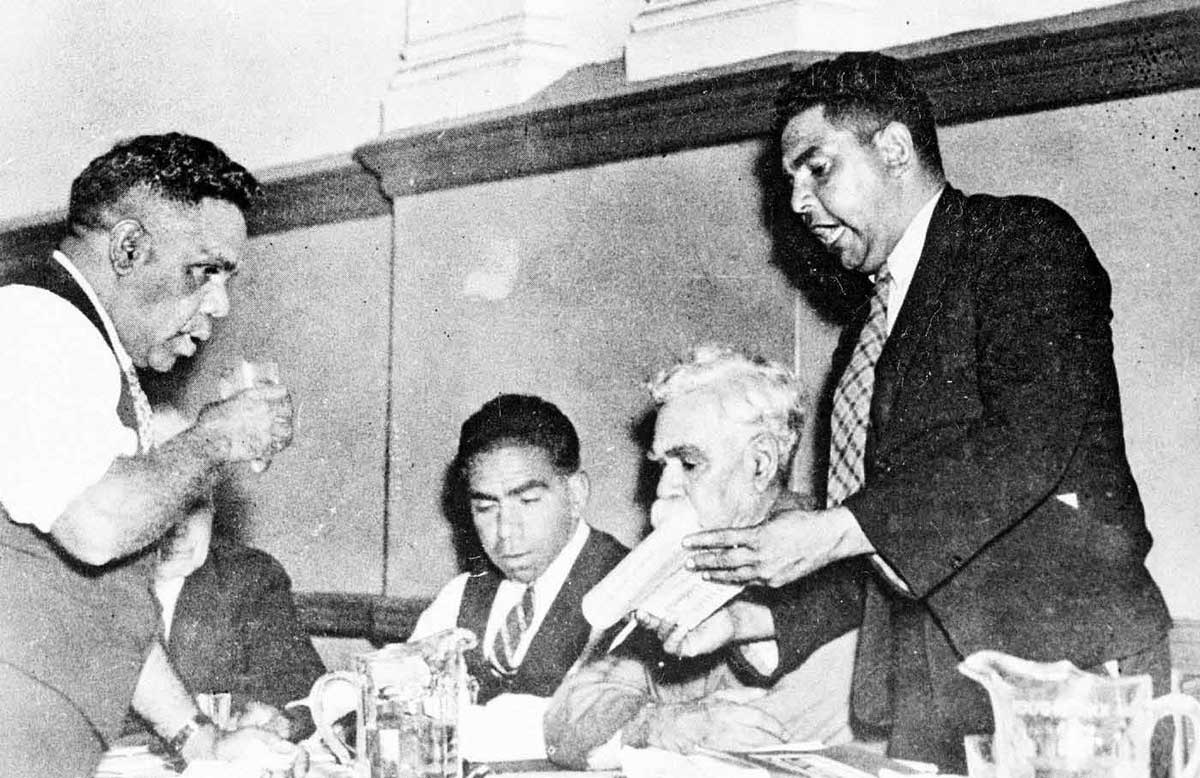
Whilst January 26 — which recognised the arrival of the First Fleet in 19788 — has only been an official public holiday since 1994, in 1938, Yorta Yorta man William Cooper called for the date to be recognised as a day of mourning, citing the massacres, dispossession and violence inflicted on First Peoples since colonisation.
Since then, Senator Lidia Thorpe says First Peoples have continued that call.
"And yet this anniversary of the bloody beginning to colonisation is instead celebrated by the Australian public," she said in a statement.
The Victorian Senator noted the government's decision to designate January 22 this year as a day of mourning to recognise victims of the Bondi attacks.
"As First Peoples surviving and resisting genocide, we stand with all victims of acts of terror and racial violence on our lands," she said. "Yet governments have been ignoring First Peoples' call to recognise 26 January as a national Day of Mourning for 88 years.
"This begs the question: why are our lives not worth commemorating?"
View this post on Instagram
A post shared by Senator Lidia Thorpe (@senatorthorpe)
Hate continues to flourish
Victoria's Yoorrook Justice Commission — the nation's first truth-telling body — delivered its final report last year, finding that "death, violence, disease, dispossession and government control changed the landscape" for First Peoples across the state. In response, the Victorian Government issued a formal apology to Indigenous people late last year for the actions of the state.
Despite those findings — which followed 67 days of public hearings over four years, evidence from more than 200 witnesses and engagement with more than 2,000 people — the Victorian Aboriginal Child and Community Agency says racism continues largely unabated.
"Online hate flourishes in a partisan political landscape that seeks to divide people and sow discord among the Australian people. Our millennia-old ceremonies to welcome people to Country are denigrated, our flags are derided, our people are vilified for seeking equity and justice," VACCA said in a statement.
"We are continuously attacked and belittled with vitriolic statements from everyday Australians whom we live and work alongside, and by people paid to represent all Australians."
Enough is enough
Last year, former opposition leader Peter Dutton entered the culture wars by saying he would not stand in front of the Aboriginal or Torres Strait Islander flags if elected Prime Minister, and criticised the use of Welcome to Country ceremonies during an election debate — the latter comments directly followed the booing of a Welcome to Country at an Anzac Day dawn service by a Neo-Nazi.
In August, the sacred Camp Sovereignty site in Melbourne was allegedly attacked by members of the National Socialist Network — a loose affiliation of far-right neo-Nazis — in what Aboriginal leaders described as a hate crime.
"What is supposed to be the lucky country — a country that believes in a fair go for all — continues to be a place where we must read, hear and see acts of racism, hate and division," VACCA said.
"We say enough."
A range of alternative dates for a national day have been proposed, with January 26 recognised as marking the arrival of the First Fleet at Botany Bay in 1788. One proposal, led by Wurundjeri Country-based fashion label Clothing the Gaps, calls for an Australian long weekend on the second-last Monday in January, with the public holiday falling between January 18 and January 24.
"This is a small but meaningful shift that offers a practical, unifying alternative - one that reduces harm and respects the lived experiences of First Nations communities," the petition states.
Unifying national day needed
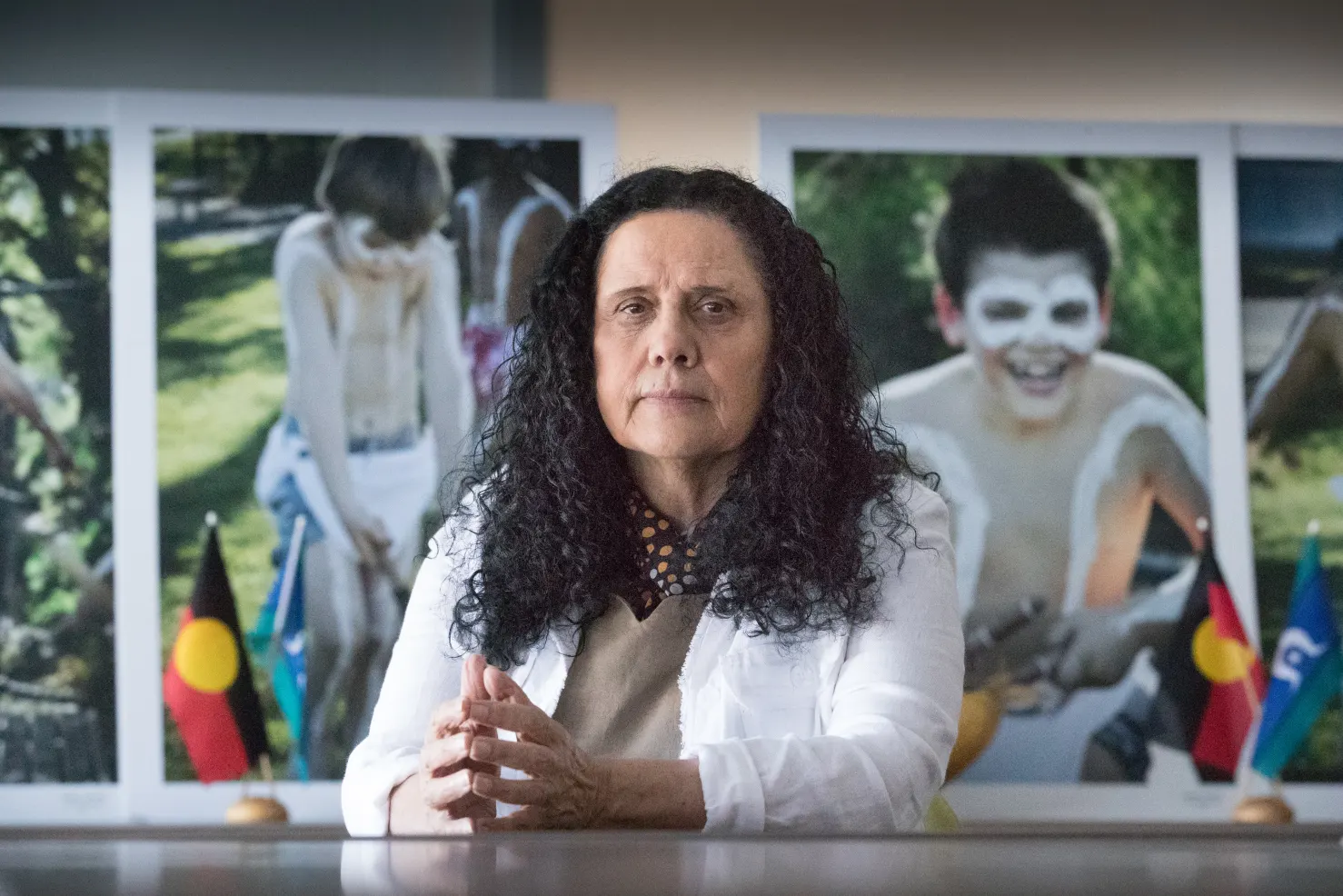
VACCA chief executive Muriel Bamblett says she supports the idea of a national day of celebration, but one that is inclusive of all.
Without nominating a specific date, the 2024 NAIDOC person of the year said the passage of Treaty legislation in Victoria last year means the state "has the opportunity to find a day to celebrate that is unifying rather than divisive", where all people are "proud of their individual and collective contributions to the richness that Victoria offers".
"Aboriginal people have survived the harshest of policies and practices," Ms Bamblett said. "Now with Treaty there is the opportunity for our communities to thrive and for us to close the gap in outcomes for Aboriginal Victorians.
"Treaty is the future, and I want to see a day that recognises and celebrates the richness of our Aboriginal history and culture, and helps us to move forward together, ensuring that our children and young people can grow up in a country that is fair, equitable and inclusive for all."



