



A social media account posing as an AI-generated Aboriginal man has come under scrutiny as critics warn it is profiting from a fake Indigenous identity online.
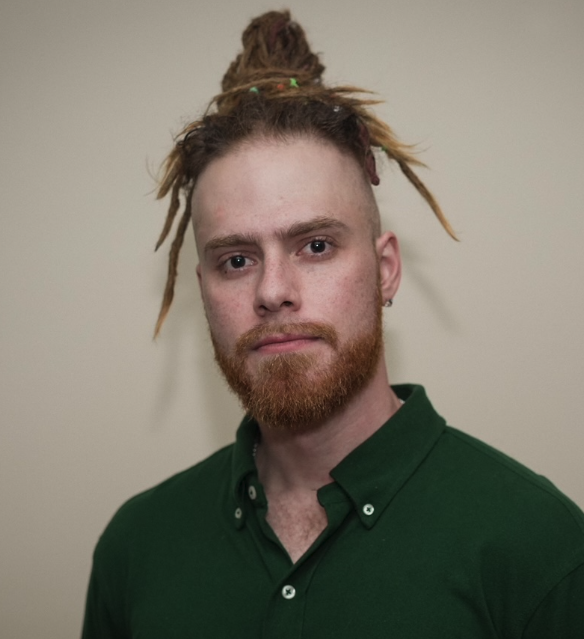
The account operates under the name "Bush Legend: Wildlife Stories and Facts" and is run by Keagan Mason, a South African man based in New Zealand.
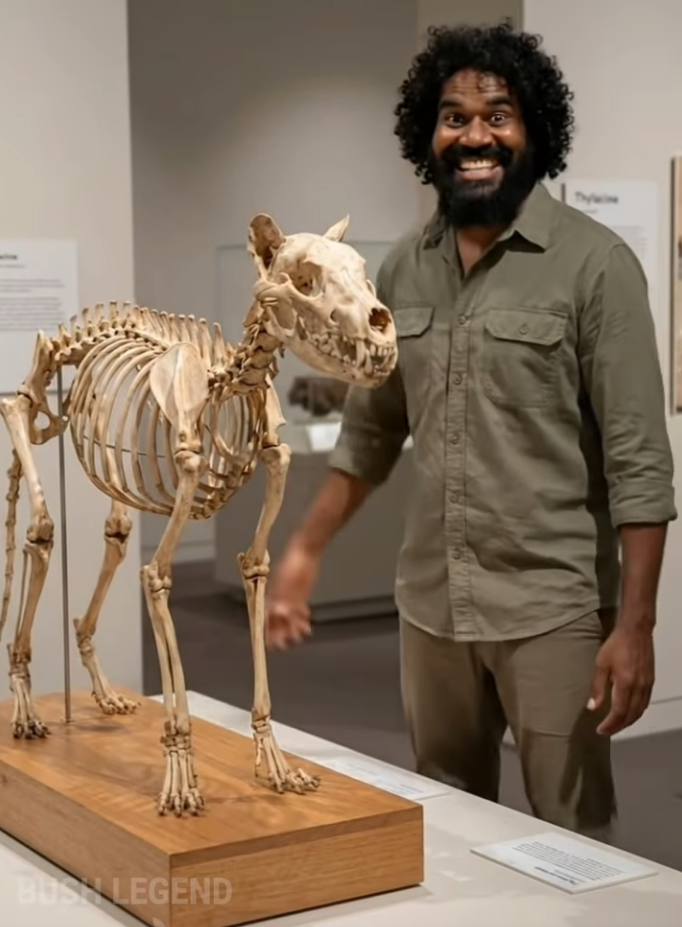
The content centres on a character called 'Jarren', presented as an Aboriginal wildlife storyteller sharing facts about native animals.
The account promotes wildlife videos across Facebook, Instagram and TikTok, with close to 200,000 followers across its platforms.
Many followers appear to believe Jarren is a real person.
The Bush Legend pages describe the content as "digitally created for education & awareness", presumably to avoid the notion of explicitly saying it is "AI-Generated".
The "host" in these videos has no last name, no community ties and no confirmed cultural identity.
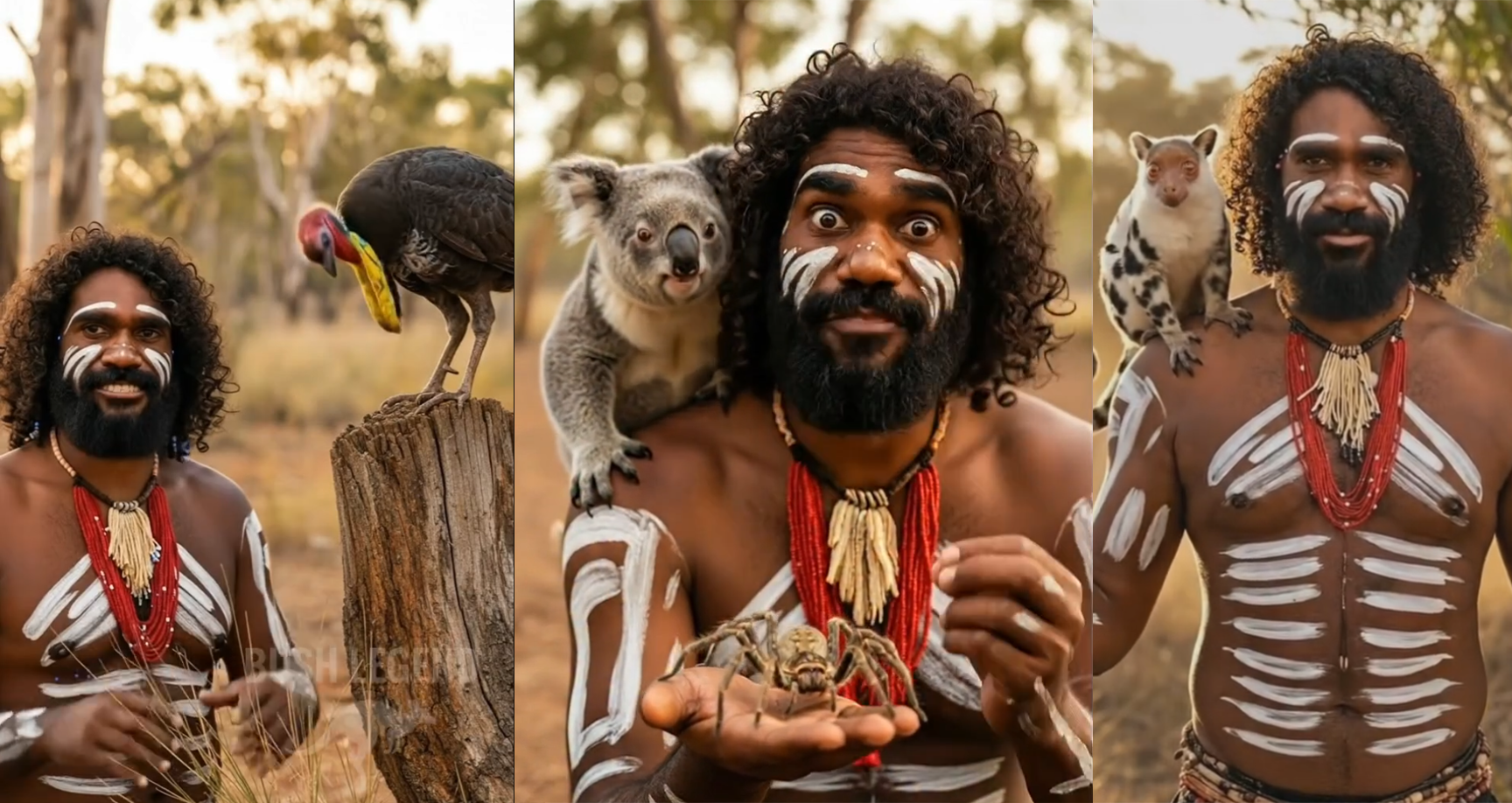
National Indigenous Times has confirmed the pages use filters that automatically detect and delete comments referring to the videos being AI-generated.
Comments flagged in this way are removed immediately.
Mr Mason has encouraged followers to subscribe for $2.99/month writing that support helps him keep creating daily content and spend more time researching.
Despite this, his Jarren character recently said in a video addressing criticism he is not "asking anyone here for money, donations for support".
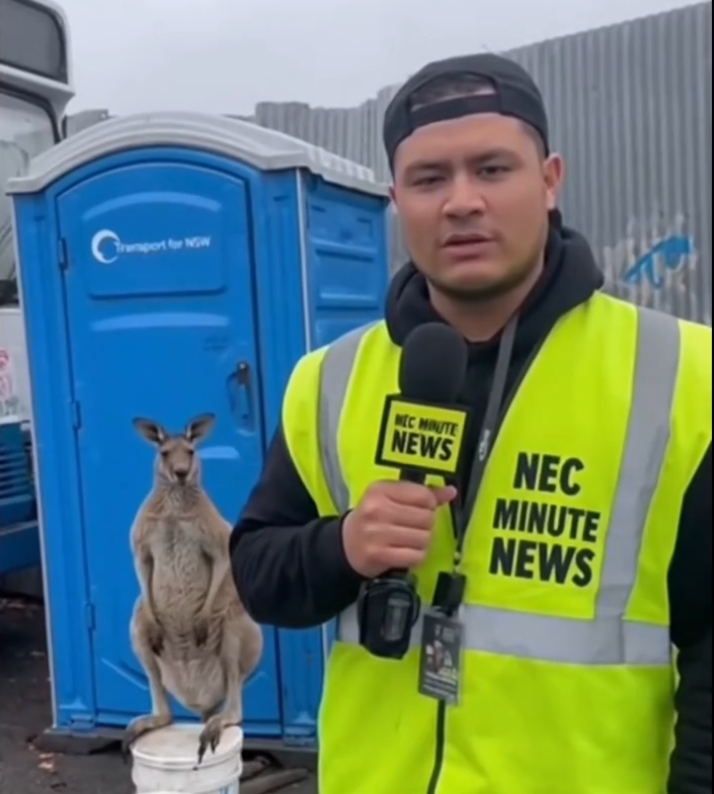
The videos featuring Jarren began appearing in December last year after Mr Mason previously ran an AI project called 'Nec Minnit News.'
That earlier content used AI-generated Māori avatars to share fake and made up news stories via Instagram.
Concerns have grown as critics describe the approach as "digital blackface" and "Blak cladding," arguing it mimics Indigenous identity for views, engagement and profit.
The issue has also been raised as an example of how AI can displace real Indigenous voices in online spaces.
The controversy follows earlier reporting by National Indigenous Times, which broke a story last year about AI-generated "Aboriginal" people being distributed through Adobe's online stock photo platform.
At the time, Kurin Minang Noongar woman and Senior Indigenous Fellow at the United Nations Office of the High Commissioner for Human Rights, Dr Hannah McGlade, commented on how AI can be used in ways that harm Indigenous people.
"It's shocking that a major company like Adobe would be engaging in such disrespectful conduct towards Indigenous people who have suffered histories of colonisation and violence," she said.
"Using AI-generated images as stock images is entirely inappropriate.
"UN Guiding Principles on Business and Human Rights need to be respected by all non-state entities, including Adobe."
Wuthathi, Yadhaigana and Meriam lawyer Dr Terri Janke told NITV the use of AI can create risks for First Nations people, including misappropriation and harmful representation.
"It takes space from real First Nations voices. It would be empowering to see real Indigenous rangers, not digital stand-ins," she said.
"Learning about Country and culture should be affirming, but when Aboriginal identity is simulated through AI without cultural respect and protocol, it becomes another way culture is taken, repackaged and exploited for attention and profit.
Mr Mason does not include an AI label in his content on Meta platforms such as Facebook and Instagram.
Meta's own guidance says it may require an AI label on Facebook, Instagram and Threads when content includes photorealistic video or realistic-sounding audio that was "digitally created, modified or altered, including with AI".
The guidance also warns there "may be penalties" for content shared without a label when one is required.
It notes the labelling requirement does not apply to images, but adds images may still receive a label if Meta's systems detect they were AI-generated or modified using AI.
Meta lists examples that require a label, including "a video that appears realistic of a group of people walking around an outdoor market" and "a reel narrated with a realistic AI-generated voiceover."
Mr Mason's AI-Generated content appears so realistic, it often passes Meta's checks - allowing him to skip using an AI-label; which has fooled many people viewing the content.
The growing criticism has been addressed through content featuring the AI character directly responding to complaints.
"I'm not here to represent any culture or group and this channel is simply about animal stories," Jarren says in one of the last videos.
"If this isn't your thing mate - no worries - scroll and move on."
National Indigenous Times contacted Mr Mason in early January for comment and has not received a response.



