




Young rangers from the remote Aboriginal community of Jigalong in Western Australia's Pilbara are helping protect the mulyamiji, also known as the Great Desert Skink, a nationally listed vulnerable species.
The work is being led by Kanyirninpa Jukurrpa (KJ), an Aboriginal organisation based in the Western Desert region of WA, through its Jigalong Junior Rangers and Wantikaja (Women) Rangers programs, supported by experienced KJ Martu Rangers.
The activity followed a workshop on threatened-species management, where young Martu participants learned about the ecology of the mulyamiji and the threats it faces across central Australia, including feral predators and climate pressures.
After the training, the rangers travelled out on Martu Country, in the eastern Pilbara, to put their new skills into practice.
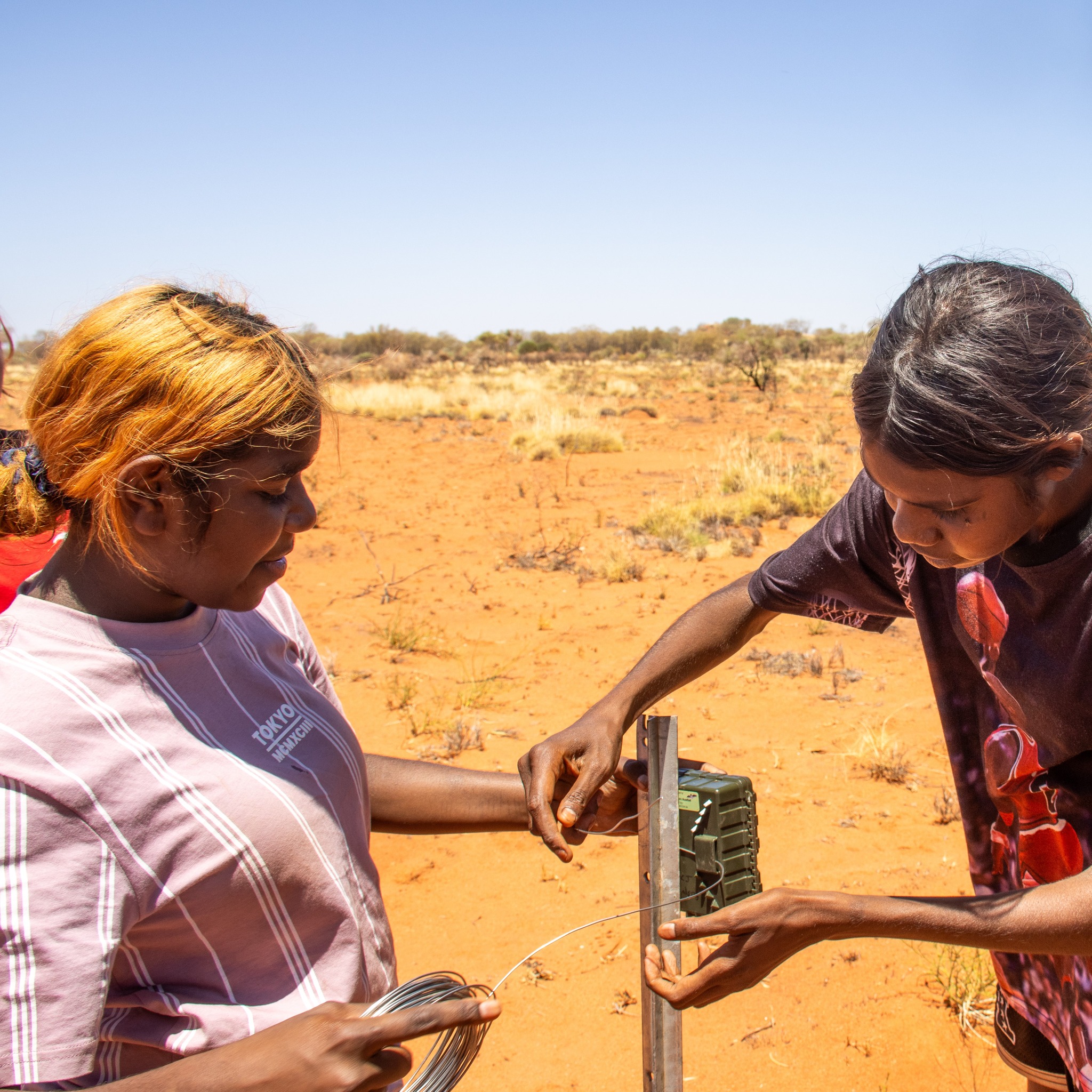
While on Country, the Wantikaja rangers also identified and collected bush medicines.
At monitoring sites, the rangers installed sensor cameras, carried out surveys, and inspected known habitat areas.
The group was excited to find active mulyamiji burrows, confirming the species is continuing to thrive on Martu land.
Although the Great Desert Skink is listed as vulnerable under national environmental laws, Kanyirninpa Jukurrpa says populations on Martu Country remain strong.
During the 2024-25 financial year, KJ Martu Rangers recorded 35 new mulyamiji burrows across nine sites, a result they say reflects the long-term benefits of Aboriginal-led land management.
The organisation says involving young people is critical to the future of both conservation and culture, ensuring Martu knowledge, language and responsibility for Country continue to the next generation.



